On this page
Short answer
To get rid of mold, fix the water problem first, then scrub mold off hard surfaces with detergent and water and dry them completely, as the EPA advises: scrub mold off hard surfaces with detergent and water, and dry completely. Throw away moldy porous items like carpet and ceiling tiles. Do it yourself only if the patch is less than about 10 square feet, and in Texas, hire a licensed removal company for 25 contiguous square feet or more.
Knowing how to get rid of mold properly saves you from the most common mistake: cleaning the stain and leaving the cause. Mold comes back within days if the moisture is still there. This guide gives you a safe do it yourself mold removal method for small areas, based on EPA and CDC guidance, and clear signs that it's time to stop and call a professional.
For specific surfaces, we have separate guides: mold in the shower, mold on walls, mold on wood, mold on clothes and mold in the bathroom.
Before you start: can you do this yourself?
DIY mold removal is reasonable for small, surface-level jobs. Check these four things first.
DIY mold removal checklist
| Question | OK to DIY | Call a professional |
|---|---|---|
| How big is it? | Less than about 10 square feet (about 3 ft by 3 ft) | More than 10 sq ft; in Texas, licensed removal usually needed at 25 contiguous sq ft or more |
| What caused it? | Shower humidity, condensation, a small leak you've fixed | Sewage or other contaminated water, including most floodwater |
| Where is it? | Tile, glass, sealed surfaces, a small drywall patch | Inside the HVAC system, which the EPA says could spread mold throughout the building |
| Who's cleaning? | A healthy adult | Anyone with mold allergies, asthma, COPD, or immune suppression or underlying lung disease |
Table: when DIY mold removal makes sense. Sources linked in each cell.
If you have health concerns, the EPA says to consult a health professional before starting cleanup.
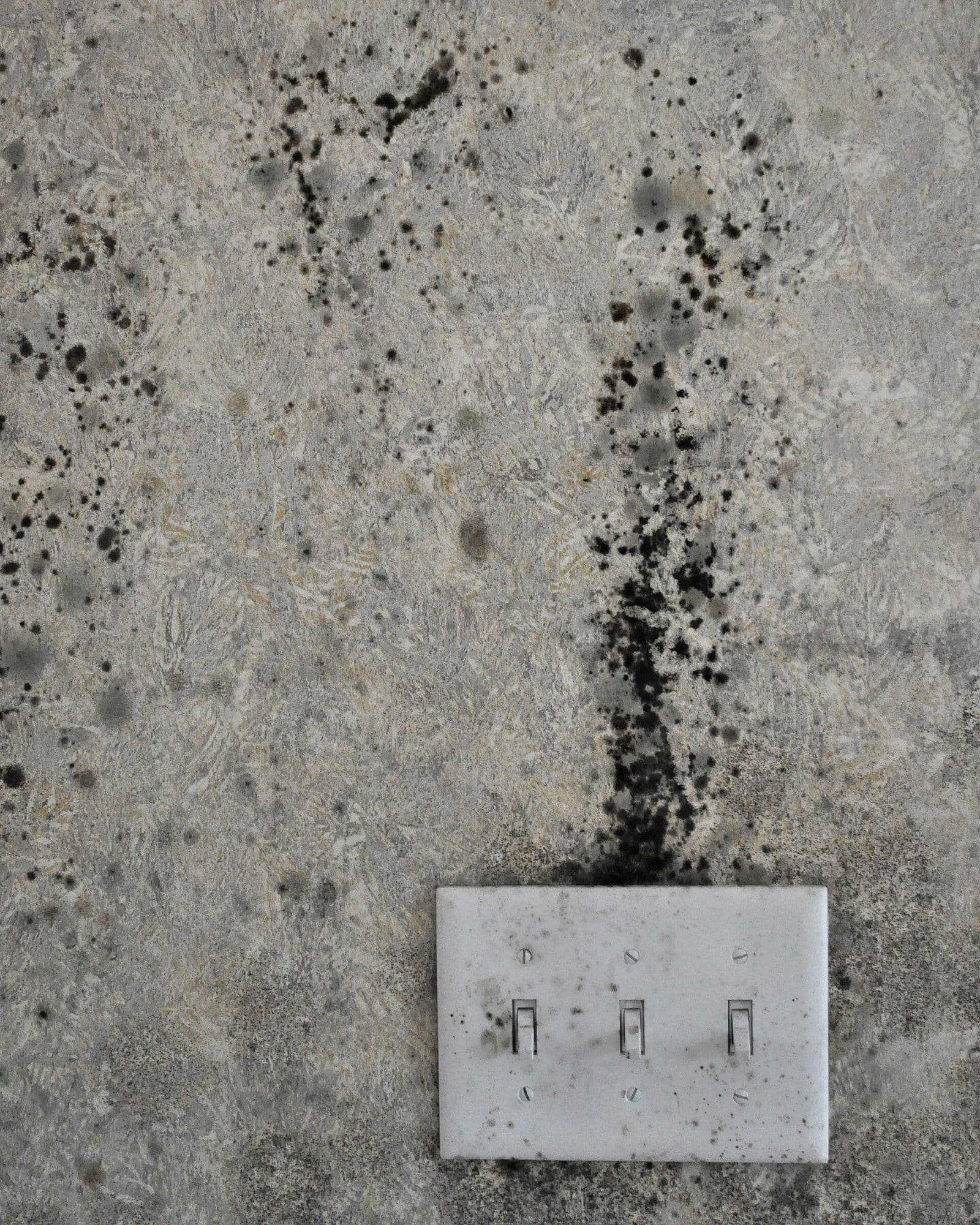
You also don't need to test the mold first. The CDC says you do not need to know the type of mold, and the EPA says in most cases, if visible mold growth is present, sampling is unnecessary. Black, green or white, you remove it the same way. Our black mold guide explains why color doesn't change the method.
How to get rid of mold in 8 steps
This is how to get rid of mold in a house when the area is small. It follows the EPA's homeowner guidance and the CDC's cleanup recommendations.
Step 1: Find and stop the water
Mold is a moisture problem first. The EPA says the key to mold control is moisture control and to fix plumbing leaks and other water problems as soon as possible. Look for a dripping supply line, a failed shower seal, a roof leak, or condensation on a cold wall or AC duct.
If you skip this step, the mold returns. University of Georgia Extension warns that mold can come back within a few days if the moisture problem hasn't been fixed.
Step 2: Put on protective gear
For small cleanups, the EPA's minimum is gloves, an N-95 respirator, and goggles/eye protection. The details matter:
- Respirator: The CDC says to wear at least a NIOSH Approved N95 respirator. A paper dust mask is not the same thing.
- Gloves: The CDC recommends non-latex, vinyl, nitrile, or rubber gloves. The EPA recommends long gloves that extend to the middle of the forearm.
- Goggles: The EPA recommends goggles that do not have ventilation holes. The CDC notes that safety glasses or goggles that have open vent holes will not protect you against dust and small particles.
Wear old clothes you can wash right after. Our mold removal protective gear guide covers what to buy.
Step 3: Keep spores from spreading
Turn off central air or heat while you work. University of Georgia Extension says to turn off any central air or heating systems in your home to reduce the spread of mold spores, and suggests covering doorways and vents with plastic and running a fan in an open window to blow air outside.
Don't point a fan across the moldy area. The EPA's disaster cleanup guide says do not use fans if mold has already started to grow, because the fans may spread the mold. Open windows instead; the CDC says to open windows or doors to let in fresh air when using any cleaning products.
Step 4: Remove moldy porous materials
Some things can't be cleaned. The EPA says absorbent or porous materials, such as ceiling tiles and carpet, may have to be thrown away if they become moldy. TDLR says the same about drywall, carpet, fleecy furnishings and insulation.
University of Georgia Extension says to seal moldy porous items in plastic bags before carrying them out, and that moldy carpet padding should always be discarded. For a small piece of drywall, cut a little beyond the visible stain so you can check the back side and the wall cavity.
Step 5: Scrub hard surfaces with detergent and water
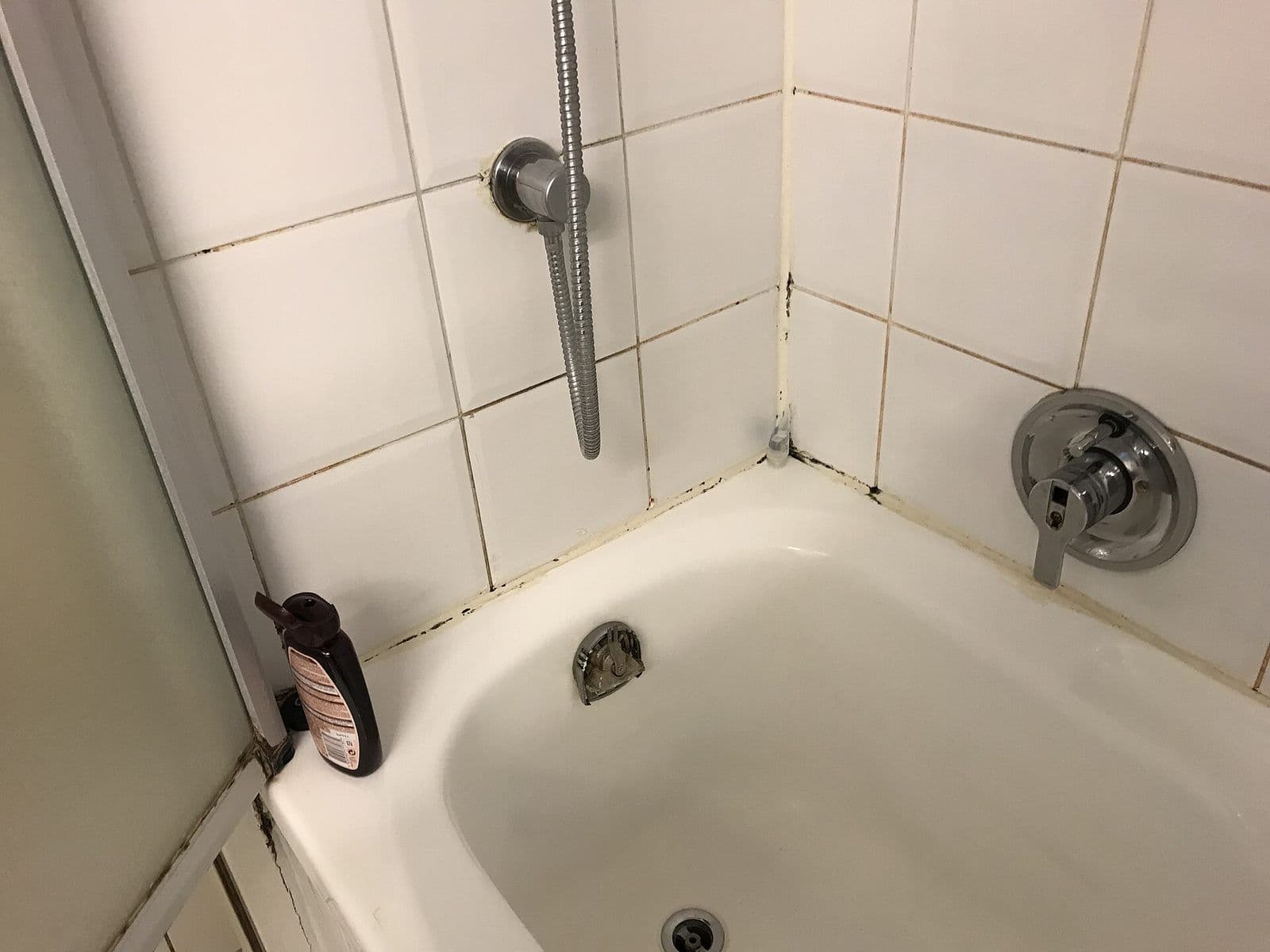
For tile, glass, metal, sealed wood and similar surfaces, the EPA's instruction is simple: scrub mold off hard surfaces with detergent and water, and dry completely. TDLR lists concrete, metal, glass, tile, and solid wood as non-porous surfaces where mold should be cleaned rather than removed.
Use a stiff brush on grout and textured surfaces. Wipe up the dirty water with disposable rags and bag them.
Step 6: If you use bleach, dilute it and never mix it
Bleach is optional. The CDC says bleach or dish detergent can be used to clean mold in your home, with no more than 1 cup of bleach in 1 gallon of water. Two firm rules:
- Never mix bleach with ammonia or other cleaners. The CDC says you should never mix bleach with ammonia or any other cleanser.
- Bleach won't fix porous materials. TDLR says applying bleach to drywall without removing the mold source, is not a permanent effective solution.
For the full comparison of cleaners, see vinegar vs bleach for mold, hydrogen peroxide for mold and mold removal sprays.
Step 7: Dry everything fast
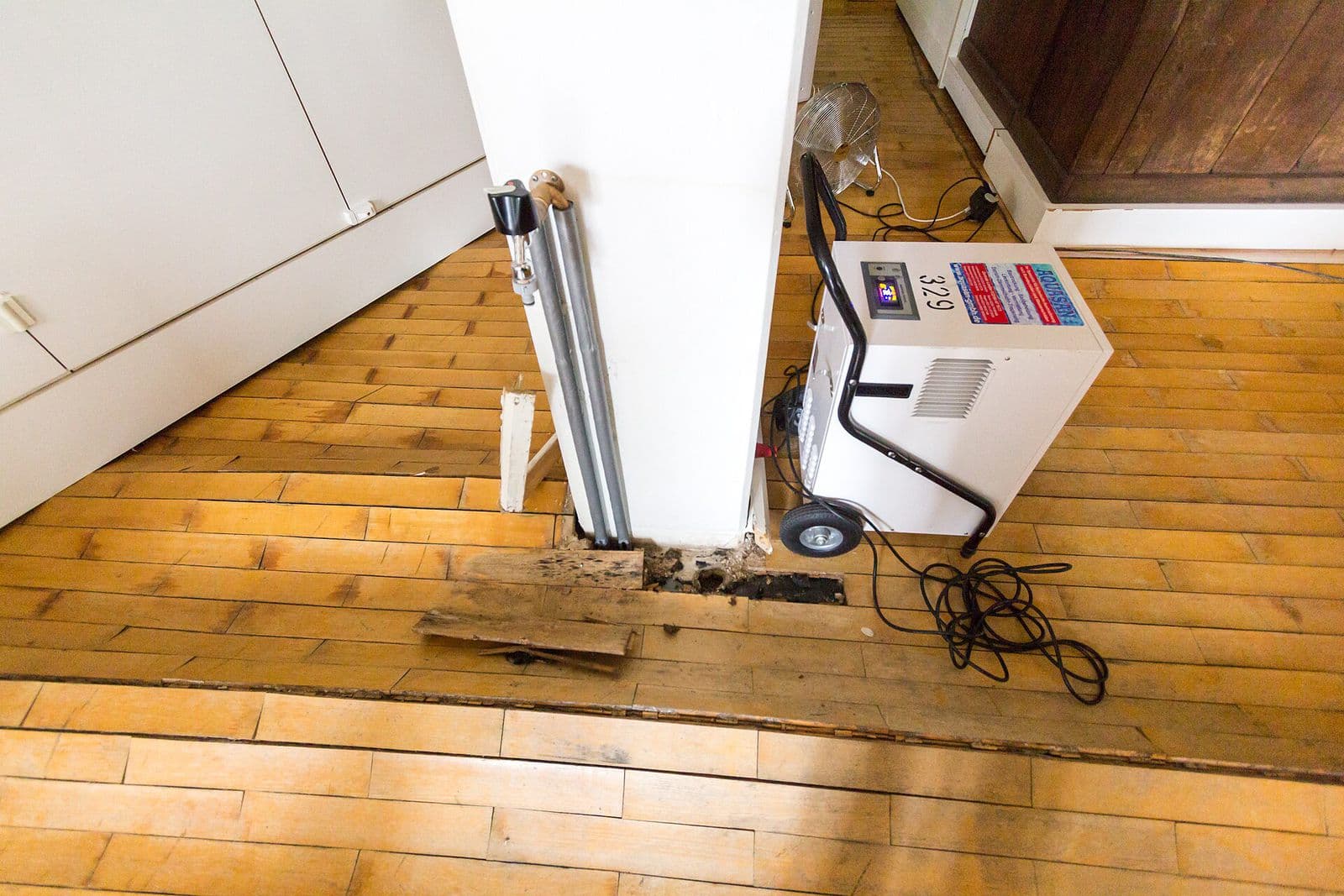
Drying is what stops regrowth. The EPA says to dry water-damaged areas and items within 24-48 hours to prevent mold growth. Once the mold is gone, fans and a dehumidifier help. University of Georgia Extension suggests drying everything within 48 hours and using dehumidifiers and fans to bring humidity to 30-50%. Our dehumidifier for mold guide covers sizing.
Then fix the surface. The EPA says do not paint or caulk moldy surfaces; clean and dry first, or the paint will peel and the mold will grow back underneath.
Step 8: Check back in a few days
Look and sniff again over the next week. If you still see or smell mold, the EPA says you have more work to do. Regrowth in the same spot means water is still getting in.
How to remove mold from common household items
Belongings are a judgment call. NC State Extension says mold can be removed from most items if you clean and dry the item quickly, but some things are rarely worth saving.
How to remove mold from household items
| Item | What extension services advise |
|---|---|
| Washable clothes and linens | Wash at the hottest temperature the label allows. See mold on clothes |
| Leather | Salvageable if cleaned, ideally as soon as mold appears. See mold on leather |
| Wood and hard furniture | Cleanable, but some items may be damaged. See mold on furniture |
| Mattresses | Seldom salvageable if damaged by water and mold. See mold in a mattress |
| Carpet padding | Moldy padding should always be discarded |
Table: salvage guidance from NC State Extension (April 2022).
For anything expensive or sentimental, the EPA suggests consulting a specialist, such as a restoration or water-damage professional.
Mistakes that make mold worse
- Cleaning without fixing the leak. The mold returns.
- Killing mold instead of removing it. The EPA says dead mold may still cause allergic reactions in some people, so it has to be physically removed.
- Running the HVAC. If you suspect the system is contaminated, the EPA says do not run the HVAC system. See mold in AC vents.
- Dry brushing or sanding moldy material indoors. This puts spores into the air. Vacuum with a HEPA vacuum instead; see HEPA vacuums for mold.
- Mixing cleaners. Bleach plus ammonia makes a toxic gas; the EPA says mixing them can create toxic vapors.
- Using an ozone generator. The EPA says ozone at levels within public health standards does not effectively remove viruses, bacteria, mold, or other biological pollutants, and that ozone can be harmful to health. See air purifiers for mold for what helps.
When to stop and hire licensed mold removal
Stop DIY if any of these happen:
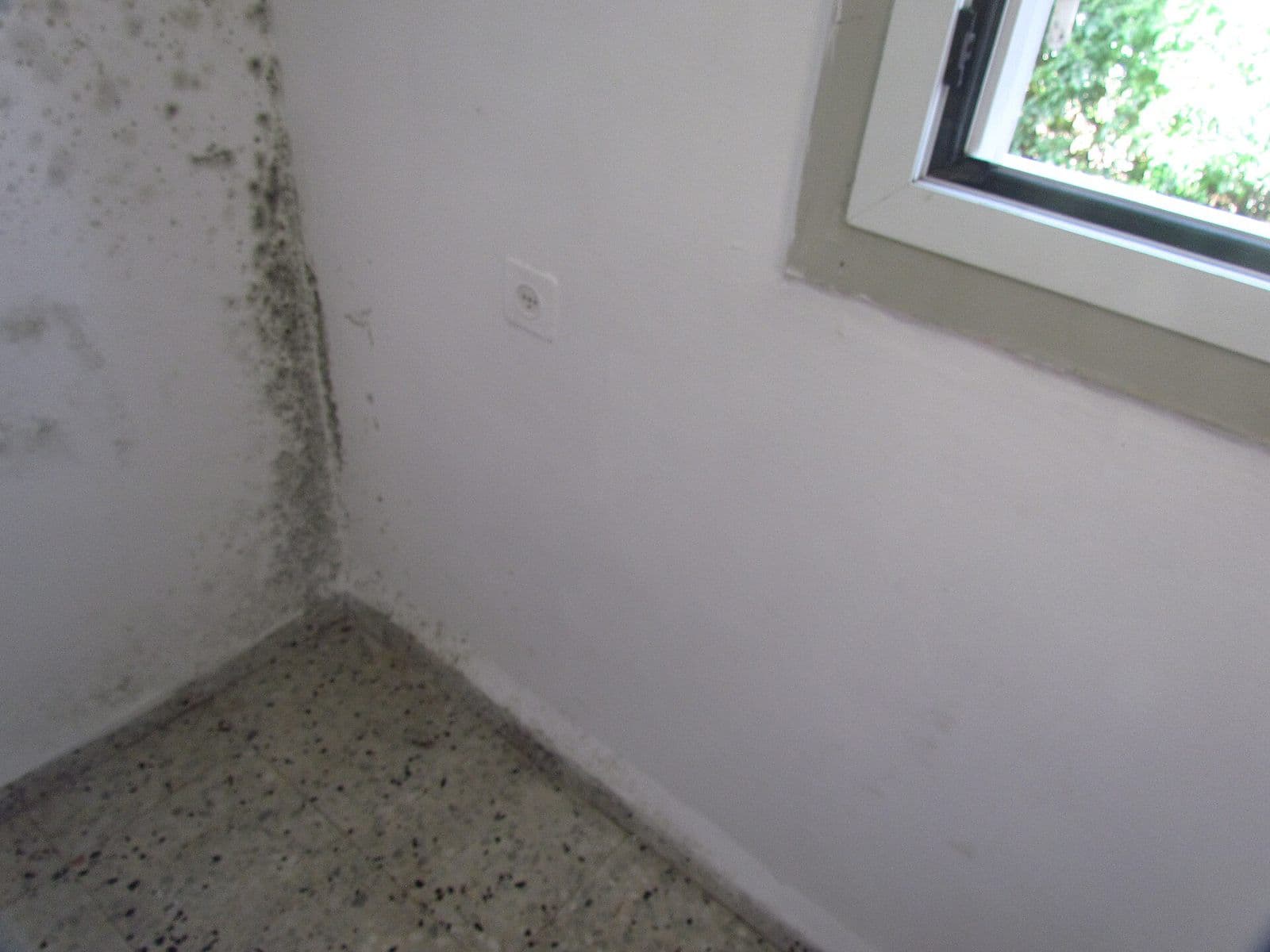
- The area is bigger than you thought. Once you cut into drywall, mold often turns out to be larger on the back side. The EPA says mold may be hidden in places such as the back side of dry wall. If it passes 10 square feet, the EPA points to professional cleanup.
- You reach 25 contiguous square feet in Texas. TDLR says in most instances, areas of visible mold less than 25 contiguous square feet may be cleaned by people who are not licensed. Owners of buildings with fewer than 10 dwelling units are exempt on their own residential property, but larger jobs are where licensed companies earn their fee.
- It keeps coming back. UGA Extension says that if mold persists, you may want to contact a professional water damage or mold restoration firm.
- The water was dirty. After a flood or sewage backup, the EPA says to call in a professional. See mold after a flood in Texas.
- Someone in the house gets sick. A doctor, not a mold test, decides whether mold is behind symptoms. TDLR recommends that people consult a health care provider if they are concerned about mold and their health.
How professional mold removal works in Texas
In Texas, a licensed job uses two separate companies. A mold testing company inspects and writes the plan, and a separate mold removal company does the cleanup. State law says a license holder may not perform both mold assessment and mold remediation on the same project.
Check any license with our license check tool before you sign. Our guides to what mold remediation is, the mold remediation process and mold remediation cost explain what to expect. You can find licensed companies in Dallas, Fort Worth, Corpus Christi and across Texas.
FAQ
How do I get rid of mold in my house myself?
Fix the moisture source, wear an N95 respirator, gloves and vent-free goggles, then scrub mold off hard surfaces with detergent and water, and dry completely. Bag and discard moldy porous items like carpet padding and ceiling tiles. Keep DIY to areas less than about 10 square feet.
What is the best way to remove mold from a wall?
On a painted or tiled surface, scrub with detergent and water and dry it. If the drywall itself is moldy, TDLR says it should be removed and discarded because mold is hard to clean from porous materials. See mold on walls.
Is DIY mold removal safe?
For small areas and healthy adults, generally yes, with protective gear. The CDC says people with allergies, asthma, COPD, or immune suppression or underlying lung disease are at higher risk and shouldn't do the cleanup.
Does bleach get rid of mold?
Diluted bleach can clean mold on hard surfaces; the CDC says use no more than 1 cup of bleach in 1 gallon of water and never mix it with ammonia. Bleach is not a fix for drywall or other porous materials, and detergent and water work on hard surfaces too.
When is do it yourself mold removal not allowed in Texas?
Homeowners can clean their own homes, and TDLR says areas less than 25 contiguous square feet may generally be cleaned by unlicensed people. In residential buildings with 10 or more units, remediation of 25 contiguous square feet or more must be done by a licensed mold remediator.
Licensed Mold Pros directory
Find a licensed mold removal company
Removal companies hold a Texas mold remediation license. They remove the mold to a plan written by a separate, licensed testing company.
Sources
- EPA: A Brief Guide to Mold, Moisture and Your Home (accessed Oct 2026)
- EPA: Mold Cleanup in Your Home (accessed Oct 2026)
- EPA: What are the basic mold cleanup steps? (accessed Oct 2026)
- EPA: Mold Course Chapter 6 (accessed Oct 2026)
- EPA: Homeowner's and Renter's Guide to Mold Cleanup After Disasters (June 2015)
- EPA: Ozone Generators that are Sold as Air Cleaners (accessed Oct 2026)
- CDC: Mold (Sept 26, 2024)
- CDC: Mold Clean Up Guidelines and Recommendations (Feb 16, 2024)
- TDLR: Help! I have mold (Mold Remediation Consumer Protection) (Jan 2025)
- University of Georgia Extension: Removing Mold in Your Home (C1047-2) (Mar 2023)
- NC State Extension: Removing Mold From Household Items (Apr 22, 2022)
- Texas Occupations Code § 1958.155 (texas.public.law) (accessed Oct 2026)
We link every number, rule and health claim to its source. See our editorial policy.