On this page
- Why mold grows in a mattress
- Signs of mold in mattress fabric and padding
- Can you get mold out of a mattress?
- How to get mold out of a mattress (surface mildew only)
- Mold on bed frame and box spring
- Pillows and bedding
- Mattresses after a Texas flood
- How to keep mold out of your mattress
- Health: when to see a doctor
- When the mattress isn't the real problem
- FAQ
- Sources
Short answer
Mold in mattress fabric can sometimes be cleaned if it's light surface mildew and the mattress only got slightly damp: brush it off outdoors, vacuum, dry it in the sun, and wipe with a mix of 1 cup denatured or rubbing alcohol and 1 cup water. Mold that has grown inside the mattress, or any innerspring mattress that sat in floodwater, should go. NC State Extension says drying a soaked mattress thoroughly before mold grows is almost impossible.
Finding mold in a mattress is unsettling, because you sleep on it every night. The good news is that a small, surface problem can often be cleaned. The bad news is that a mattress is a thick block of fabric, foam and fiber, and once mold is inside, home cleaning won't reach it. This guide covers how to tell which situation you're in, how to get mold out of a mattress when that's realistic, and what to do about mold on a bed frame.
Why mold grows in a mattress
Mold needs moisture and something to feed on. The EPA says moisture is the most important factor influencing mold growth indoors, and lists cloth among the organic materials mold uses as food. A mattress has fabric, padding and the dust that collects in both.
Common moisture sources:
- Humid rooms. NDSU Extension says mold growth is likely where humidity levels above about 70% persist. The EPA recommends keeping indoor humidity below 60 percent (ideally between 30 and 50 percent).
- A bed against an outside wall. NDSU notes there is a chance mold might be growing behind furniture, particularly against an outside wall.
- Spills, accidents and cleaning that soaked into the padding and never fully dried.
- Leaks, AC condensate problems and floods.
Texas makes this harder, especially in the east. The Gulf is the primary source of moisture, which is most readily available to the eastern part of the state.
Signs of mold in mattress fabric and padding
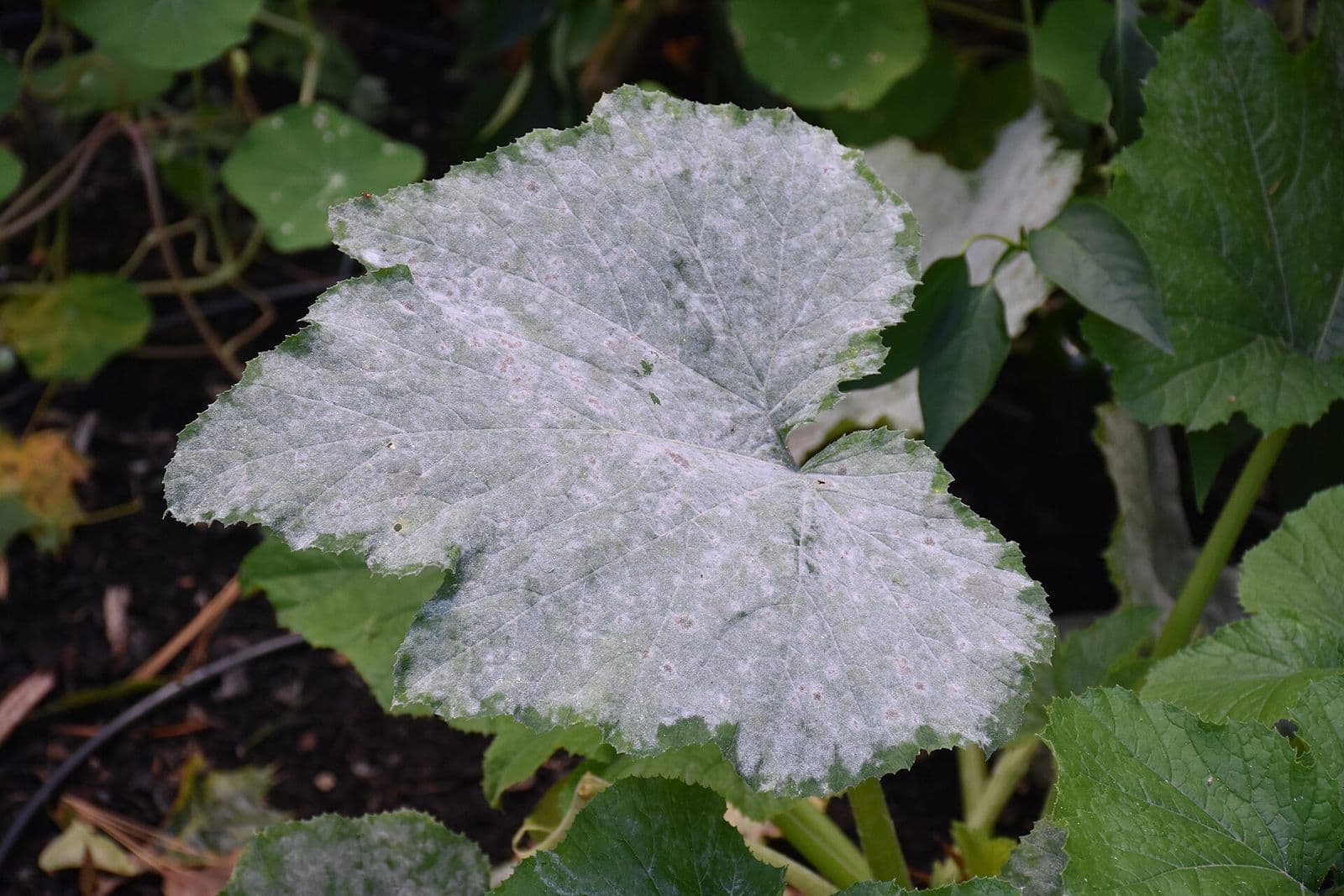
- Spots. UF/IFAS Extension describes mildew as black, brownish, or reddish fuzzy discoloration with a musty odor.
- A musty smell that won't air out. NC State says that if a mattress has a musty odor after drying, mildew is present.
- Damp or discolored patches on the underside or on the box spring. Flip the mattress and check the bottom and sides, not only the top.
- Spots on the slats or frame under where the mattress sits.
If you find mold on the mattress, check the rest of the room too: the wall behind the headboard, the window, the closet and any AC vents. Our signs of mold in house guide has a checklist.
Can you get mold out of a mattress?
Sometimes. The deciding question is whether the mold is on the surface or inside.
Mold in a mattress: clean or replace?
| Situation | Guidance |
|---|---|
| Outside slightly damp, light surface mildew | Mississippi State Extension: mattresses are usually discarded, but if the outside is only slightly damp, brush off soil and wipe with diluted alcohol |
| Musty smell after drying | NC State: mildew is present; have it professionally sanitized, and if that doesn't remove the odor, throw it out |
| Innerspring mattress or box spring partly or fully under floodwater | NC State: throw it out |
| Regular mattress soaked in floodwater | NDSU: regular mattresses should be discarded |
| Foam mattress soaked in floodwater | NDSU: most experts recommend discarding that type of mattress |
| Visible mold grown into padding or foam | Replace. TDLR says mold is difficult to clean from fleecy furnishings and similar porous items, so they should be removed and discarded |
The reason is the same one that applies to carpet and drywall. The EPA explains that molds will infiltrate porous substances and grow on or fill in empty spaces or crevices, so the mold can be difficult or impossible to remove completely. And killing it isn't enough: the EPA says dead mold may still cause allergic reactions in some people.
NC State adds one more warning: sanitizing can kill existing mold, but mold will return unless the materials are completely dry inside.
How to get mold out of a mattress (surface mildew only)
These steps combine University of Georgia Extension's mattress guidance with Texas A&M AgriLife's mildew steps for household articles and upholstery.
Protect yourself first. Wear gloves, goggles and an N95. The CDC recommends at least a NIOSH Approved N95 respirator and says not to touch mold with bare hands. If you have asthma or mold allergies, let someone else do this.
1. Take it outside and brush it
UGA says to remove loose spores by brushing with a soft-bristled broom, outdoors if possible, to avoid scattering spores in the house. Wash the broom afterward.
2. Vacuum the surface
Vacuum to draw out more mold. Texas A&M recommends using a HEPA vacuum, if available, to remove visible mold growth and discarding the bag. With a regular vacuum, empty it outdoors: UGA notes that mold spores are being drawn into the bag of the vacuum cleaner.
3. Dry it in sun and moving air
If the mattress is damp, UGA suggests drying it with a fan and heater, and if possible placing it in direct sunlight and air to stop mold growth. NC State's drying advice for a salvageable mattress is to set it right-side-up in the sun on blocks and use a fan to speed drying.
4. Wipe the stain with diluted alcohol
UGA and Texas A&M both suggest wiping the stain with a cloth dampened in 1 cup rubbing or denatured alcohol to 1 cup water, then drying thoroughly. Dampen, don't soak.
Test on a hidden spot first. UGA warns that alcohol will damage acetate, triacetate, modacrylics and acrylic fibers, and that overwetting upholstery fabric can leave a ring.
5. Dry again and watch it
Let the mattress dry completely, in the sun if possible, before you put sheets back on. Then check it for a week or two. If the spots or the smell come back, the mold is inside and the mattress needs replacing.
What not to do: don't pour bleach on a mattress. Bleach doesn't fix porous materials, and the EPA says bleach is not recommended as a routine practice during mold cleanup. Never mix cleaners. Our vinegar vs bleach for mold guide explains why.
Mold on bed frame and box spring
Wood bed frames and slats
Wood is easier to save than a mattress. Clean finished wood with detergent and water, then dry it slowly. Texas A&M advises drying furniture slowly out of direct sunlight because sun will warp furniture. NC State notes mildew may keep growing on a wood frame until the moisture content of the wood drops below 20 percent or less. For mold that has gone into the grain, see our mold on wood guide.
Metal frames and bedsprings
NDSU says wire bedsprings can be cleaned at home: wash them thoroughly, dry in sun and air until odors are gone, then protect them with rust-preventing paint.
Box springs
A box spring is fabric over wood and springs, so it behaves like a mattress. NDSU says upholstered box springs may not be worth the cost of new covering and padding materials. If one sat in floodwater, replace it.
Pillows and bedding
Sheets, blankets and washable mattress pads go in the laundry. Our mold on clothes guide covers bleach, stains and musty smells in fabric. UF/IFAS suggests putting musty bedding in the sunshine for several hours as a first step.
Pillows are harder. NDSU says pillows, while washable, usually should be discarded if soaked with contaminated floodwater.
Mattresses after a Texas flood
After a flood, the answer is almost always to replace the mattress. The EPA says to throw away anything that was wet with flood water and can't be cleaned and dried completely within 24 to 48 hours. University of Georgia Extension says to get rid of porous items exposed to floodwater, including mattresses, furniture, stuffed toys and pillows. Kentucky Extension agrees that most porous items that can absorb moisture (such as couches, mattresses, and pillows) should be discarded.
Photograph the mattress and its label before it goes to the curb. Texas A&M advises taking photos for use as an inventory and keeping damaged materials for proof of loss. See mold after flood Texas and does insurance cover mold.
How to keep mold out of your mattress
- Control humidity. TDLR suggests keeping humidity no higher than 50% all day, with an air conditioner or dehumidifier. A dehumidifier for mold helps in a bedroom that stays damp.
- Let air reach it. Museum conservators advise against storing collections directly against outside walls, where humidity and condensation are higher, and recommend a fan for circulation. The same logic applies to a bed: a few inches of space from an outside wall helps.
- Dry spills right away. If wet materials are dried within 24 to 48 hours, mold usually won't develop, according to the EPA.
- Fix the room. Window condensation, a wet wall or a leaking AC line will keep re-wetting the bed until it's fixed.
Health: when to see a doctor
The EPA says mold exposure can lead to asthma attacks, eye and skin irritation, and allergic reactions. If you've been waking up congested or wheezy, replacing a moldy mattress makes sense, but a doctor, not a mold test, decides whether mold is the cause. The CDC says individuals with persistent symptoms should see their physician. Our mold allergy guide covers symptoms.
When the mattress isn't the real problem
If a new mattress gets moldy too, the room has a moisture problem. A licensed mold testing company in Houston (or Austin, or your city on our Texas page) can find hidden moisture and mold. If walls or floors need cleanup, a separate mold removal company does that work, because Texas law says a license holder may not perform both mold assessment and mold remediation on the same project. Confirm licenses with our license check tool.
FAQ
Can mold in mattress padding be cleaned?
Only if it's on the surface. Brush it off outdoors, vacuum, dry the mattress in sun and air, and wipe stains with 1 cup alcohol and 1 cup water. If mold has grown into the padding or foam, or the smell returns, replace the mattress.
How do you get mold out of a mattress?
Wear gloves and an N95, take the mattress outside, brush off loose mold, vacuum it (HEPA if possible), dry it in the sun, and dab stains with diluted rubbing alcohol. Test the alcohol on a hidden spot first, and dry the mattress completely before using it again.
Is it safe to sleep on a mattress with mold?
It isn't a good idea. The EPA notes that dead mold may still cause allergic reactions in some people, so even treated mold can bother sensitive sleepers. If the mold is more than a light surface spot, replace the mattress, and see a doctor if you have ongoing symptoms.
How do I get rid of mold on a bed frame?
Clean wood or metal frames with detergent and water, then dry them fully. Dry wood slowly out of direct sun so it doesn't warp, and keep an eye on it: mildew can keep growing until wood moisture drops below 20 percent.
Should I throw away a mattress after a flood?
Yes, in almost every case. NC State Extension says to throw out any innerspring mattress or box spring that was partially or totally submerged in floodwater. Take photos for your insurance claim before you discard it.
Licensed Mold Pros directory
Find a licensed mold removal company
Removal companies hold a Texas mold remediation license. They remove the mold to a plan written by a separate, licensed testing company.
Sources
- University of Georgia Extension: Remove Stains From Mildew, Mold (accessed Oct 2026)
- University of Georgia Extension: How to Clean Clothes After a Hurricane or Flood (B1585-02) (Aug 12, 2025)
- NC State Extension: Cleaning Flooded Upholstered Furniture, Curtains, Bedding, Table Linens and Other Household Textiles (June 5, 2014)
- Mississippi State University Extension: My mattress is damp. Can I save it? (accessed Oct 2026)
- NDSU Extension: Flood-soaked Bedding Needs Sanitation (revised Apr 2009, accessed Oct 2026)
- NDSU Extension: Remove Mold for a Healthy Home (AE1202) (reviewed Apr 2023)
- University of Kentucky Extension: How to care for flooded possessions (Aug 11, 2022)
- Texas A&M AgriLife Extension: Cleaning Flood-damaged Homes (accessed Oct 2026)
- UF/IFAS Extension: Keeping It Clean: Controlling Mildew (FCS5232) (revised May 2014, accessed Oct 2026)
- National Park Service: Conserve O Gram 3/4, Mold: Prevention of Growth in Museum Collections (Aug 2007)
- EPA: A Brief Guide to Mold, Moisture and Your Home (updated Feb 18, 2026)
- EPA: Mold Course Chapter 1 (updated Feb 18, 2026)
- EPA: Mold Remediation in Schools and Commercial Buildings, Chapter 3 (updated Apr 29, 2026)
- EPA: Should I use bleach to clean up mold? (updated Sept 8, 2026)
- EPA: Homeowner's and Renter's Guide to Mold Cleanup After Disasters (accessed Oct 2026)
- CDC: Mold Cleanup (Feb 16, 2024)
- CDC: Facts About Mold and Dampness (May 29, 2024)
- TDLR: Help! I have mold (Mold Remediation Consumer Protection) (Jan 2025)
- Texas Occupations Code § 1958.155: Conflict of Interest (accessed Oct 2026)
- NOAA/NCICS: Texas State Climate Summary (accessed Oct 2026)
We link every number, rule and health claim to its source. See our editorial policy.