On this page
Short answer
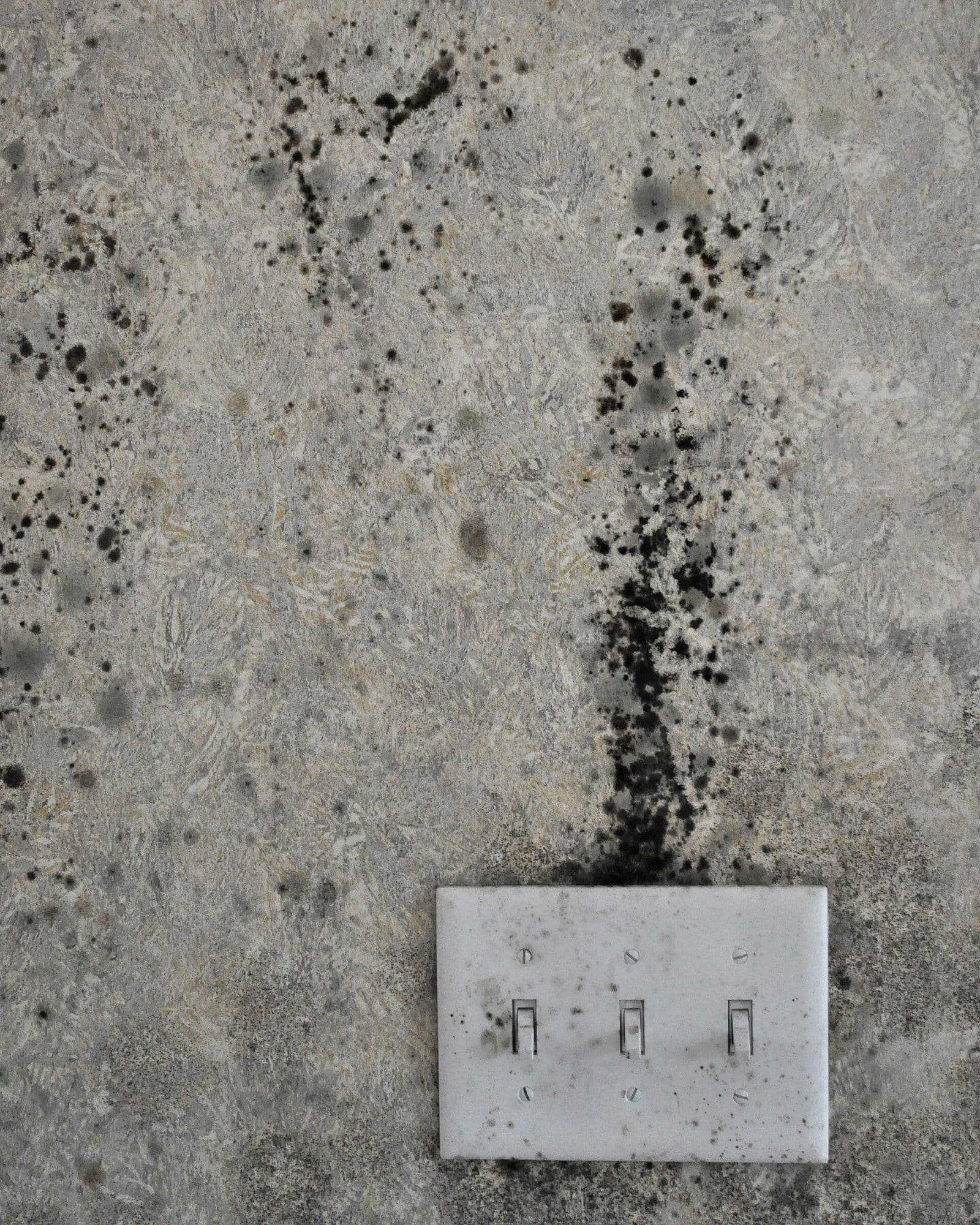
Mold in walls grows where water gets into the wall cavity: a leaking or sweating pipe, a window or roof leak, or floodwater. Signs include a musty smell, bubbling paint and stains with no surface mold. The EPA says to consider hiring an experienced professional for hidden mold. Moldy drywall usually has to be cut out, and in Texas, jobs of 25 contiguous square feet or more generally need a licensed remediator.
Mold in walls is harder to deal with than mold you can see. You can't measure it, you can't clean it with a sponge, and opening the wall the wrong way can spread spores through the house. This guide covers the signs, how professionals find it, when the wall has to be opened, and how Texas licensing rules apply.
If the mold is on the surface of a painted wall, our mold on walls guide is the better place to start. This page is about mold inside the wall.
What causes mold inside walls
Mold needs water. Inside a wall, that water usually comes from:
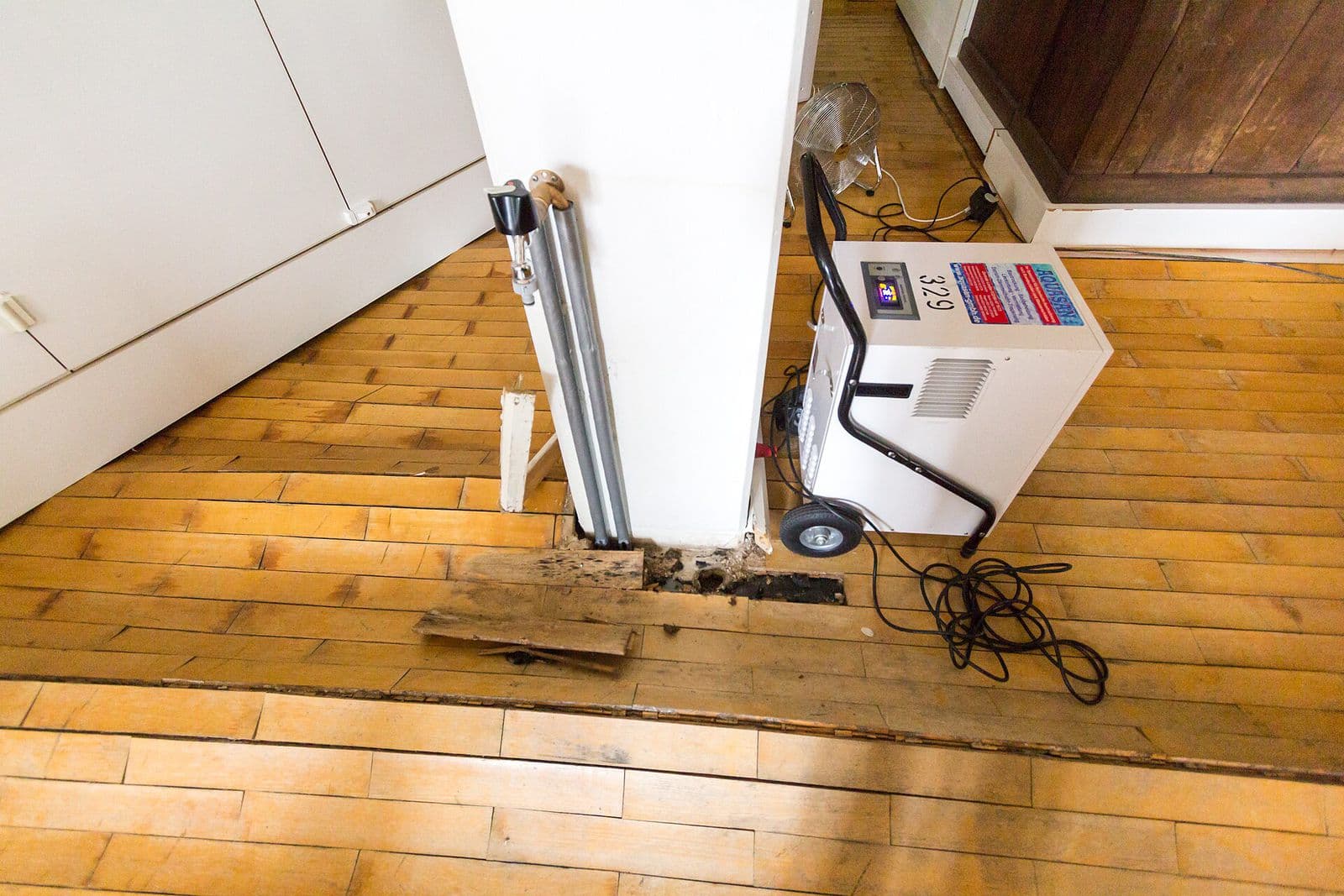
- Plumbing. The EPA lists leaking or condensing water pipes, especially pipes inside wall cavities or pipe chases as a common hidden-mold source, and notes that the inside of walls where pipes and wires are run (pipe chases and utility tunnels) are common sites of mold growth.
- Roof and window leaks. Water runs down inside the wall from above. The EPA says that if a roof is allowed to leak long enough, molds can weaken floors and walls by feeding on the wet wood.
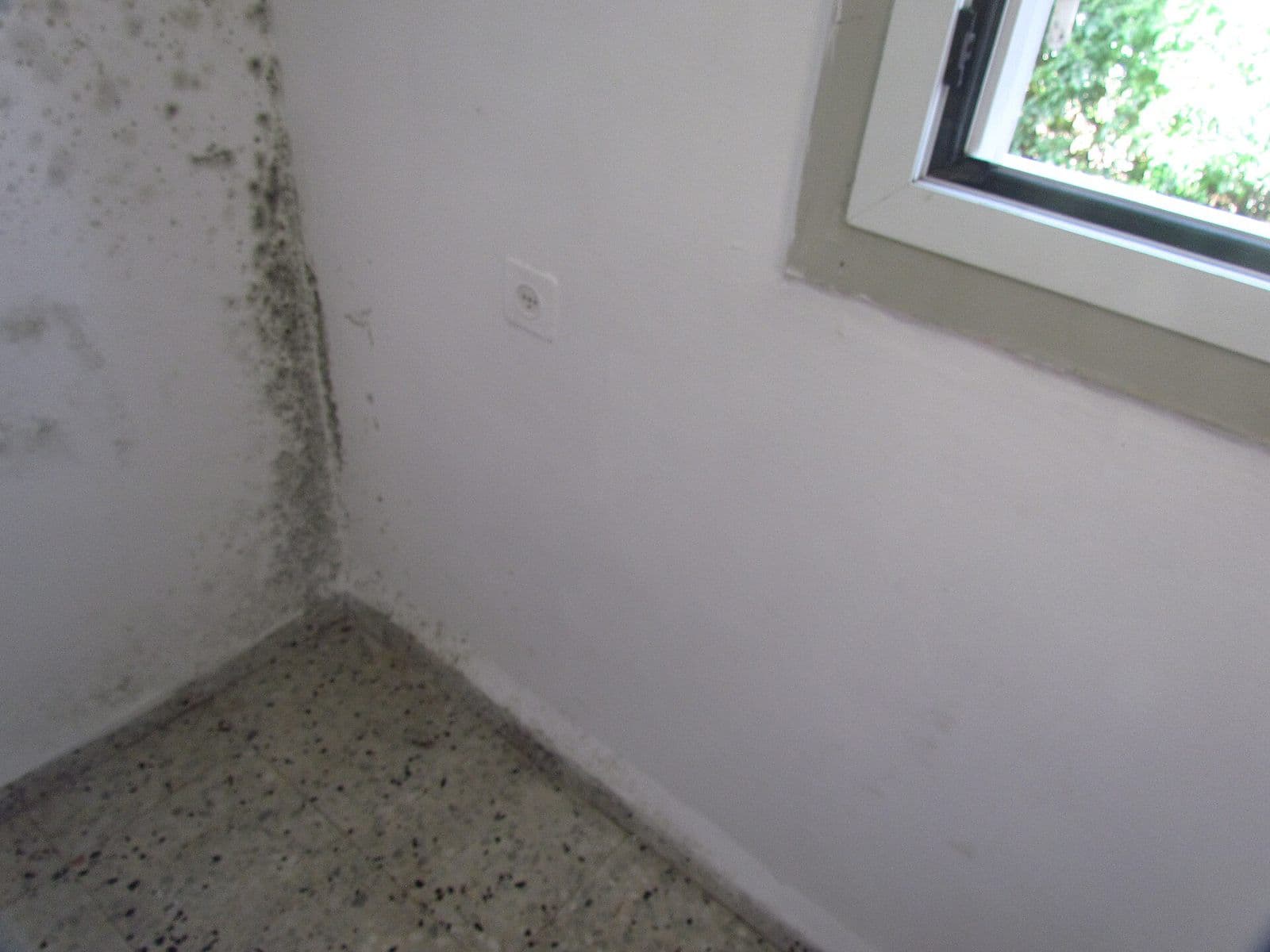
- Condensation. The EPA says mold is frequently found on walls in cold corners behind furniture where condensation forms.
- Wall coverings that trap moisture. The EPA notes that some building materials, such as dry wall with vinyl wallpaper over it or wood paneling, may act as vapor barriers, trapping moisture underneath.
- Floods. Water wicks up drywall and soaks insulation. During Hurricane Harvey, large areas received more than 30 inches of rainfall, with more than 50 inches in a few locations. See mold after a flood in Texas.
Signs of mold inside walls
Signs of mold inside walls are usually indirect:
| Sign | What it can mean |
|---|---|
| Musty smell near one wall, no visible mold | Hidden growth behind drywall or under flooring |
| Paint bubbling, peeling or staining | Moisture coming through from behind |
| Soft, swollen or crumbling drywall or baseboard | Long-term water inside the wall |
| Mold on the back of a cabinet or behind furniture | Leak or condensation in that wall |
| Stains spreading from a window corner or below a bathroom | Window, shower or pipe leak |
Table: signs of mold inside walls and what they point to.
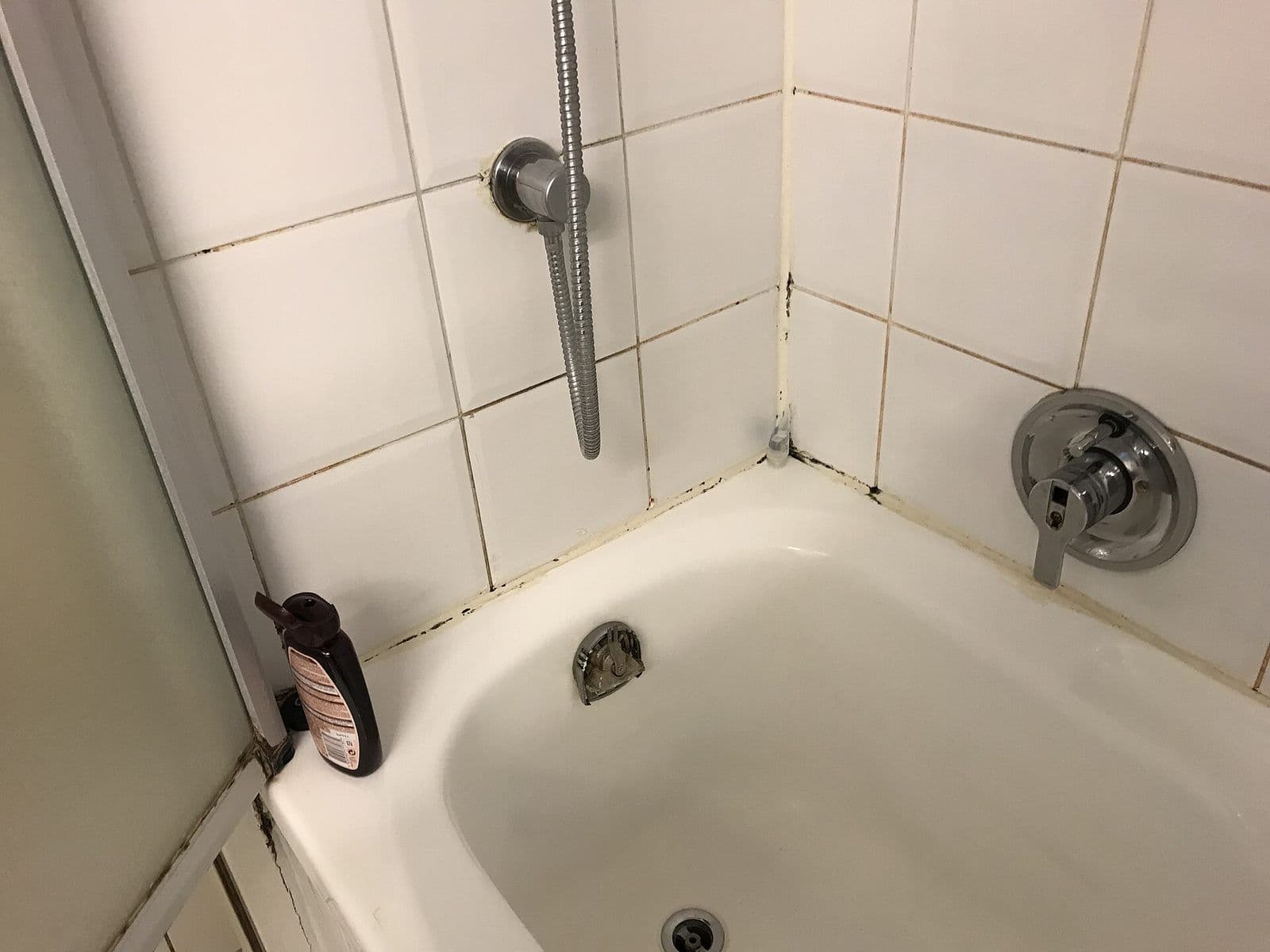
The EPA says you may suspect hidden mold if a building smells moldy, but you cannot see the source, or if you know there has been water damage and residents are reporting health problems. It lists hidden spots including the back side of dry wall, wallpaper, or paneling and areas inside walls around pipes (with leaking or condensing pipes). TDLR suggests paying attention to hidden areas such as plumbing access areas, crawl spaces, behind mirrors and furniture, attics, closets and cupboards.
Our guides to signs of mold in the house and mold smell in house go further.
Don't open the wall yourself (yet)
It's tempting to cut a hole and look. The EPA warns that investigating hidden mold problems may be difficult and will require caution when the investigation involves disturbing potential sites of mold growth. It also warns that removal of wallpaper can lead to a massive release of spores if there is mold growing on the underside of the paper, and lists breaking moldy porous materials such as wallboard among the activities likely to stir up mold.
Its advice: if you believe that you may have a hidden mold problem, consider hiring an experienced professional.
Also turn off the HVAC if you think the mold reaches the ducts. The EPA says do not run the HVAC system if you know or suspect that it is contaminated with mold.
How a licensed assessor checks for mold in a wall
In Texas, the person who investigates is a licensed mold assessor. TDLR says that if you hire someone to document your mold problem, any individual or company who provides this service in Texas must be licensed as a Mold Assessor.
What they typically do:
- Inspect and measure moisture. The EPA notes that moisture meters can be used on materials such as carpet, wallboard, wood, brick and concrete, which helps map wet areas without opening the whole wall.
- Sample when it's useful. Sampling isn't always needed. TDLR says it's more important to find the source of the moisture and eliminate it, and that test results cannot be interpreted without physical inspection of the contaminated area. See is mold testing worth it?
- Write a remediation protocol. Under TDLR rules, the assessor must prepare a mold remediation protocol that is specific to each remediation project and provide the protocol to the client at least one calendar day before remediation activities begin. It must specify the rooms or areas where the work will be performed, the estimated quantities of materials to be cleaned or removed, the methods, protective gear, containment and clearance criteria.
Fixr puts a standalone inspection at $450 to $800. See mold testing cost for more on pricing.
When walls must be opened
This is the central question for mold behind drywall, and the EPA's tables give the clearest answer.
Wet but not moldy (caught within 24 to 48 hours). The EPA's water-damage table says drywall may be dried in place if there is no obvious swelling and the seams are intact. If not, remove, discard, and replace. It also says to ventilate the wall cavity, if possible. Wet insulation is a clear call: for both fiberglass and cellulose insulation, the table says discard and replace. The table notes that if materials have been wet for more than 48 hours, or mold has grown, move to the mold remediation table.
Already moldy. The EPA's remediation table for clean-water damage:
| Mold area on drywall | EPA cleanup methods | Containment |
|---|---|---|
| Under 10 sq ft | HEPA vacuum | None required |
| 10 to 100 sq ft | HEPA vacuum, then remove and discard | Limited |
| Over 100 sq ft | HEPA vacuum, then remove and discard | Full |
Table: EPA guidelines for wallboard with mold growth. Source: EPA Table 2.
The pattern: once mold grows into drywall beyond a small patch, the board comes out. TDLR agrees that mold is difficult to clean from absorbent (porous) surfaces such as drywall, carpet, fleecy furnishings and insulation, so these kinds of moldy materials should be removed and discarded. Fixr makes the same point: once the mold is inside the wall material, it should be replaced to ensure the mold does not return.
Contaminated water. If the water was sewage or floodwater, the EPA says to call a professional who has experience cleaning and fixing buildings damaged by contaminated water.
How to treat mold in the walls
Here's how professionals treat mold in the walls, step by step:
- Stop the water. Fix the pipe, roof, window or drainage problem. The EPA puts it plainly: you must have completely fixed the water or moisture problem.
- Contain the area. The EPA says limited containment is generally recommended for areas involving 10 to 100 square feet of mold contamination, using a single layer of plastic sheeting, and full containment for larger areas. Texas rules require containment in the protocol when mold affects a total surface area of 25 contiguous square feet or more.
- Remove moldy drywall and insulation. Cut out damaged materials. The EPA says discarded materials should be double-bagged using 6-mil polyethylene sheeting.
- Clean the framing. Studs are solid wood. TDLR says mold growth should be cleaned from non-porous surfaces such as concrete, metal, glass, tile, and solid wood. The EPA's table lists wet vacuum, damp wipe and HEPA vacuum for wood, plus removal for large areas (EPA Table 2).
- Dry everything. Before the wall is closed up.
- Verify it worked. In Texas, TDLR says in order to determine if a project has achieved clearance, the consultant must conduct a post-remediation assessment. The EPA's test for "done": visible mold, mold-damaged materials and moldy odors should not be present. See mold clearance testing.
- Rebuild. New drywall, insulation and paint.
What doesn't work: spraying into the wall or painting over stains. TDLR says merely applying a chemical such as bleach to drywall, without removing the mold source, is not a permanent effective solution, and that painting over mold is also not an effective solution. Our mold remediation process guide walks through the full job.
Texas rules: the 25 square foot threshold
- Under 25 contiguous square feet. TDLR says that in most instances, areas of visible mold less than 25 contiguous square feet in area may be cleaned or removed by people who are not licensed.
- 25 square feet or more. Generally needs a licensed mold remediation contractor. TDLR says that in residential properties with 10 or more units, this work must be conducted by a licensed Mold Remediator.
- Owner exemption. TDLR says owners or managers of buildings with fewer than 10 dwelling units do not have to be licensed to perform mold assessment or mold remediation on a residential property, regardless of the area. Being allowed to do it yourself doesn't make a large job safe to do without containment.
- Separate companies. Texas law says a license holder may not perform both mold assessment and mold remediation on the same project. See why testing and removal are different companies.
Hidden mold also complicates the measurement: you can't know the area until the wall is open. The EPA says that if you discover hidden mold, you should revise your remediation plan to account for the total area affected by mold growth.
What mold in walls costs
| Item | Cost (Fixr, updated Aug 2025) |
|---|---|
| Wall mold remediation | $1,000 to $12,000 |
| Standalone mold inspection | $450 to $800 |
| Leak repair | $150 to $350 |
| Repairing mold damage (on top of remediation) | Between $75 and $3,000 |
Table: typical national costs for mold in walls.
For Texas pricing and what drives it, see mold remediation cost, and check does insurance cover mold? before you file a claim.
Health
The CDC says for some people, mold can cause a stuffy nose, sore throat, coughing or wheezing, burning eyes, or skin rash. TDLR recommends people consult a health care provider if they are concerned about the effects of mold on their health. A doctor diagnoses illness, not a mold test.
Finding help in Texas
Start with a licensed mold testing company if you need to find the mold and get a protocol. Then hire a separate licensed mold removal company to do the work. Browse companies in Dallas, Austin, Lubbock or across Texas, verify licenses with our license check, and read how we verify every listing.
FAQ
How do I know if I have mold in walls?
Look for a musty smell with no visible source, bubbling or stained paint, and soft drywall or baseboards. The EPA says you may suspect hidden mold if a building smells moldy, but you cannot see the source. A licensed assessor can confirm it with an inspection and moisture readings.
How do you treat mold in the walls?
Fix the water, contain the area, cut out moldy drywall and wet insulation, clean the studs, dry everything, then verify with a post-remediation assessment. TDLR says bleach on drywall without removing the source is not a permanent effective solution.
Does mold behind drywall mean the drywall has to be replaced?
Usually. The EPA's table adds removal and disposal for drywall mold over 10 square feet, and Fixr says that once mold is inside the wall material, it should be replaced. Wet drywall without mold can sometimes be dried in place if it isn't swollen.
Do I need a licensed company for mold in a wall in Texas?
If visible mold is less than 25 contiguous square feet, in most cases no. Above that, generally yes, though owners of buildings with fewer than 10 units are exempt. The assessment and remediation must be done by different companies.
Can mold in a wall make me sick?
Some people react to mold with allergy-like symptoms, according to the CDC. If you have symptoms, see a doctor. A mold test can show what's in the wall, but it can't diagnose illness.
Licensed Mold Pros directory
Find a licensed mold testing company
Testing companies hold a Texas mold assessment license. They inspect, sample and write the removal plan, and by law they can't do the removal on the same job.
Sources
- EPA: A Brief Guide to Mold, Moisture and Your Home (accessed Oct 2026)
- EPA: Mold Course Chapter 2 (accessed Oct 2026)
- EPA: Mold Course Chapter 6 (accessed Oct 2026)
- EPA: Mold Remediation in Schools and Commercial Buildings, Chapter 3 (accessed Oct 2026)
- EPA: Table 1, Water Damage: Cleanup and Mold Prevention (PDF) (accessed Oct 2026)
- EPA: Table 2, Guidelines for Remediating Building Materials with Mold Growth Caused by Clean Water (PDF) (accessed Oct 2026)
- CDC: Mold (Sept 26, 2024)
- TDLR: Help! I have mold (Mold Remediation Consumer Protection) (Jan 2025)
- TDLR: Mold Assessors and Remediators FAQ (accessed Oct 2026)
- 16 Tex. Admin. Code § 78.100, Minimum Work Practices and Procedures for Mold Assessment (Cornell LII) (accessed Oct 2026)
- Texas Occupations Code § 1958.155 (texas.public.law) (accessed Oct 2026)
- NOAA/NCICS: Texas State Climate Summary (accessed Oct 2026)
- Fixr: Mold Remediation Cost (updated Aug 29, 2025)
We link every number, rule and health claim to its source. See our editorial policy.