On this page
Short answer
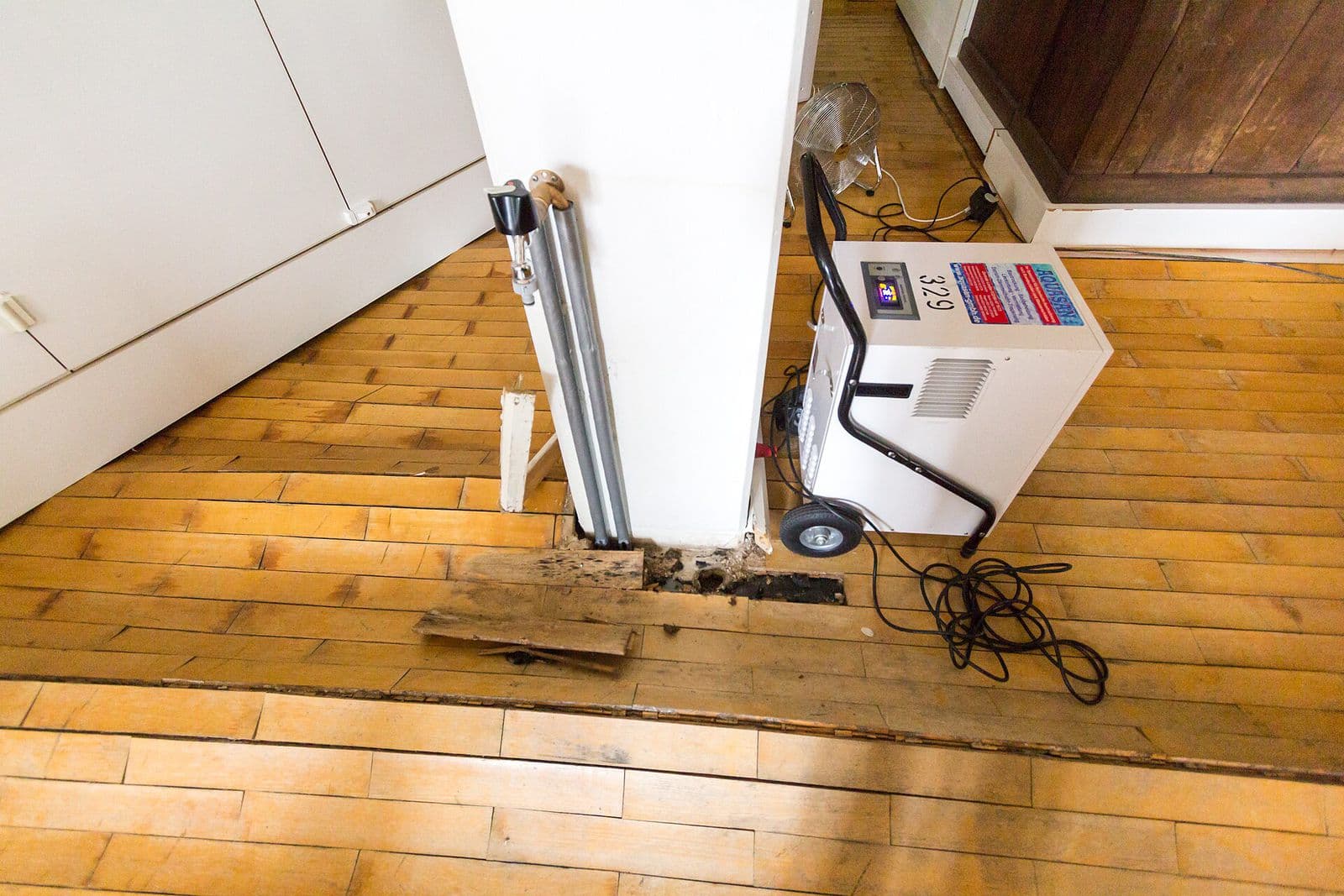
Mold remediation is the cleanup of mold and mold-damaged material, plus the work to stop it coming back. Texas law defines it as the removal, cleaning, sanitizing, demolition, or other treatment, including preventive activities, of mold or mold-contaminated matter. The EPA says you can usually clean an area less than about 10 square feet yourself, and in Texas, jobs of 25 contiguous square feet or more generally call for a licensed remediator.
Mold remediation is the word professionals, insurers and Texas regulators use for getting rid of a mold problem properly. It sounds technical, and it often comes with a bigger quote than "mold cleaning," so it helps to know exactly what it covers. This guide explains what mold remediation means, how it differs from mold removal, when you need it, what a real job includes, and how licensing works in Texas.
If you already know you need it and want the step-by-step, jump to our mold remediation process guide. For prices, see mold remediation cost, and for schedules, how long mold remediation takes.
What does mold remediation mean?
Remediation means fixing a problem. Remediation of mold means three things together: removing the mold, cleaning up what it has contaminated, and correcting the moisture that let it grow.
The legal definition in Texas is broad on purpose. The Texas Occupations Code defines mold remediation as the removal, cleaning, sanitizing, demolition, or other treatment, including preventive activities, of mold or mold-contaminated matter that was not purposely grown at that location. The same law defines "mold" itself widely, as any living or dead fungi or related products or parts, including spores, hyphae, and mycotoxins. So in Texas, remediation covers dead mold and spores, not just visible live growth.
The EPA describes the goal in plain terms: the purpose of mold remediation is to remove the mold to prevent human exposure and damage to building materials. The key word is remove. The EPA adds that it is necessary to clean up mold contamination, not just to kill the mold, because dead mold may still cause allergic reactions in some people.
What remediation does not mean
Remediation does not mean making a house mold-free. The EPA says it is impossible to get rid of all mold and mold spores indoors. Spores are part of normal indoor and outdoor air. The realistic goal is to remove the growth, fix the water, and return the area to normal. If a company promises to "eliminate all mold," that's a sales line, not a remediation standard. (Our mold spores guide explains why.)
It also does not mean spraying something on mold and leaving it. The EPA says the use of a biocide, such as chlorine bleach, is not recommended as a routine practice during mold remediation, and TDLR says merely applying a chemical such as bleach to drywall, without removing the mold source, is not a permanent effective solution.
Mold remediation vs mold removal
People use "mold removal" and "mold remediation" as if they meant the same thing, and many companies do too. Fixr's cost guide, for example, uses the terms interchangeably and describes remediation as the process of cleaning and removing colonies and growth on surfaces inside your home.
When there is a difference, it's about scope:
Mold remediation vs mold removal: how the terms are usually used
| "Mold removal" (everyday use) | "Mold remediation" (professional and legal use) | |
|---|---|---|
| Main job | Getting visible mold off a surface | Removing mold and contaminated material, cleaning, and preventing regrowth |
| Moisture source | Often not addressed | Part of the job; Texas law includes "preventive activities" |
| Porous materials | May be cleaned | Drywall, carpet, fleecy furnishings and insulation usually removed and discarded |
| Containment | Usually none | Required in Texas for jobs of 25 or more contiguous square feet |
| Verification | You look at it | Independent clearance and a Certificate of Mold Damage Remediation for licensed Texas jobs |
Table: how the terms are used. Sources linked in each cell.
On this site we use "mold removal company" and "mold remediation company" for the same thing: a business licensed by the Texas Department of Licensing and Regulation (TDLR) to do remediation. You'll find them on city pages like mold removal in Houston.
When do you need mold remediation?
Any mold growing indoors needs to be dealt with. The CDC says if you see or smell mold, you should remove it. The real question is whether you need professional remediation, and that depends mostly on size, location and cause.
The EPA's 10 square foot guideline
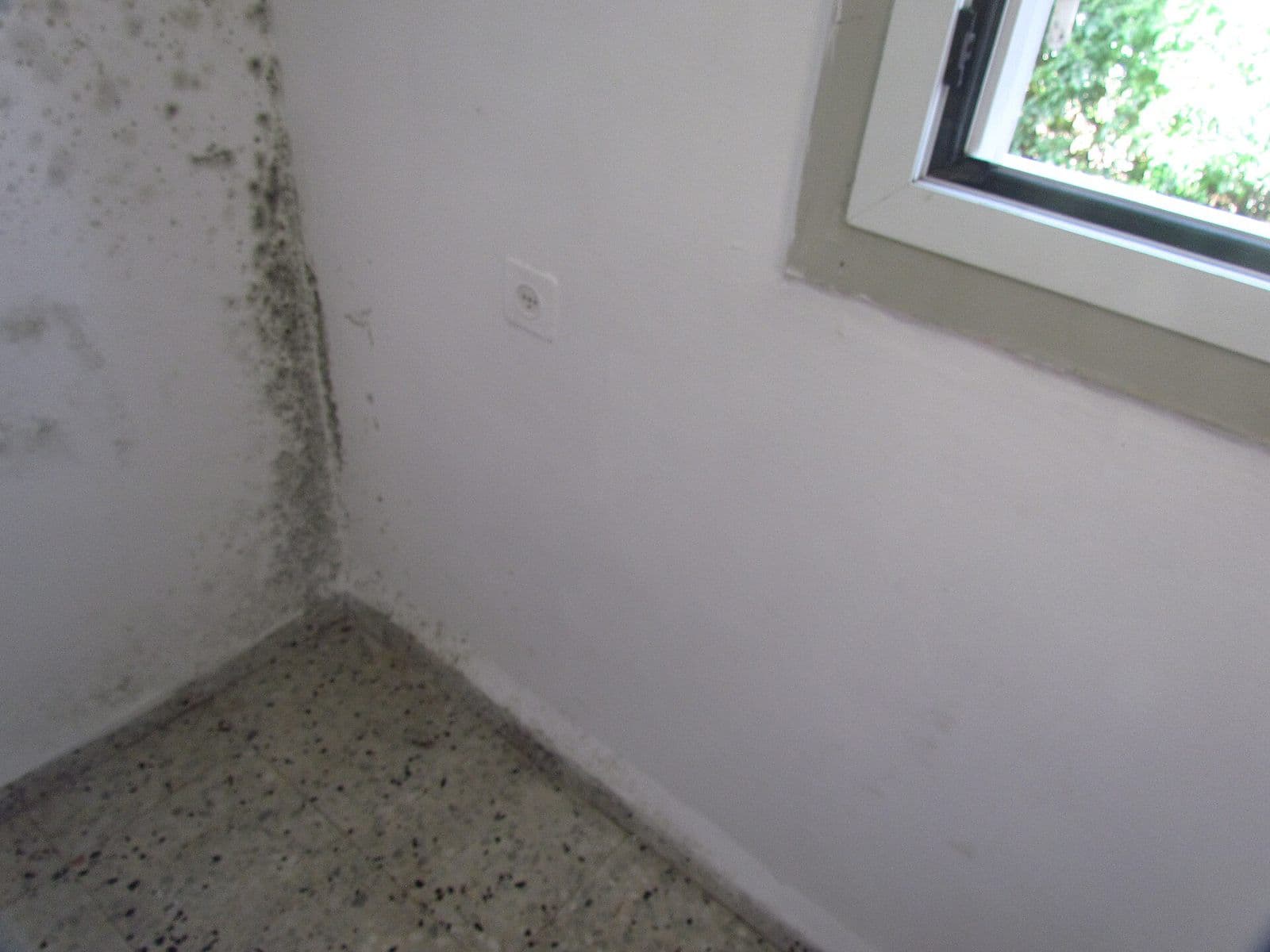
The EPA's homeowner guidance draws the line at less than about 10 square feet, roughly a 3 ft by 3 ft patch. Below that, you can usually clean it yourself. The EPA points to professional remediation guidance when there has been a lot of water damage, and/or mold growth covers more than 10 square feet.
The Texas 25 square foot licensing line
Texas has its own rule, and it's about licensing, not health. TDLR says that in most instances, areas of visible mold less than 25 contiguous square feet in area may be cleaned or removed by people who are not licensed. "Contiguous" means one connected area, not several small spots added up.
Two details matter for homeowners and landlords:
- Owners or managers of buildings with fewer than 10 dwelling units do not have to be licensed to perform mold assessment or mold remediation on a residential property, regardless of size.
- In residential properties with 10 or more units, remediation of 25 contiguous square feet or more of visible mold must be done by a licensed mold remediator.
Being allowed to do it yourself is not the same as it being a good idea. A 30 square foot patch of moldy drywall after a roof leak is legal for you to tear out in your own house, but it's a containment and disposal job most people are better off hiring out.
Other signs you need professional remediation
Beyond size, the EPA and CDC point to these situations:
- Contaminated water. If sewage or other contaminated water caused the damage, the EPA says to call in a professional who has experience cleaning and fixing buildings damaged by contaminated water. That includes most Texas floodwater; see mold after a flood in Texas.
- Mold in the HVAC system. The EPA warns do not run the HVAC system if you know or suspect that it is contaminated with mold. See mold in AC vents.
- Hidden mold. The EPA notes mold may be hidden in places such as the back side of dry wall. Our mold in walls guide covers this.
- Health risk for the person cleaning. The CDC says people with allergies, people with immune suppression or underlying lung disease, and people with asthma or COPD should not be the ones doing the cleanup.
If your patch is small and none of these apply, our how to get rid of mold guide walks you through doing it safely.
What mold remediation includes
A proper remediation job has the same core parts whether it's a bathroom wall or a flooded first floor. Our mold remediation process guide covers each step in detail; here is what's included and why.
What's included in professional mold remediation
| Part of the job | What it means | Why it matters |
|---|---|---|
| Assessment and plan | A licensed assessor finds the mold and moisture and writes a protocol | In Texas, the protocol sets quantities, locations, methods and cleanup criteria |
| Containment | Plastic barriers, often under negative air pressure | Limits release of mold into the air and surroundings |
| Protective equipment | Respirators, gloves, eye protection | To avoid inhaling mold and mold spores |
| Removing porous materials | Cutting out moldy drywall, insulation, carpet | Mold is difficult to clean from absorbent (porous) surfaces |
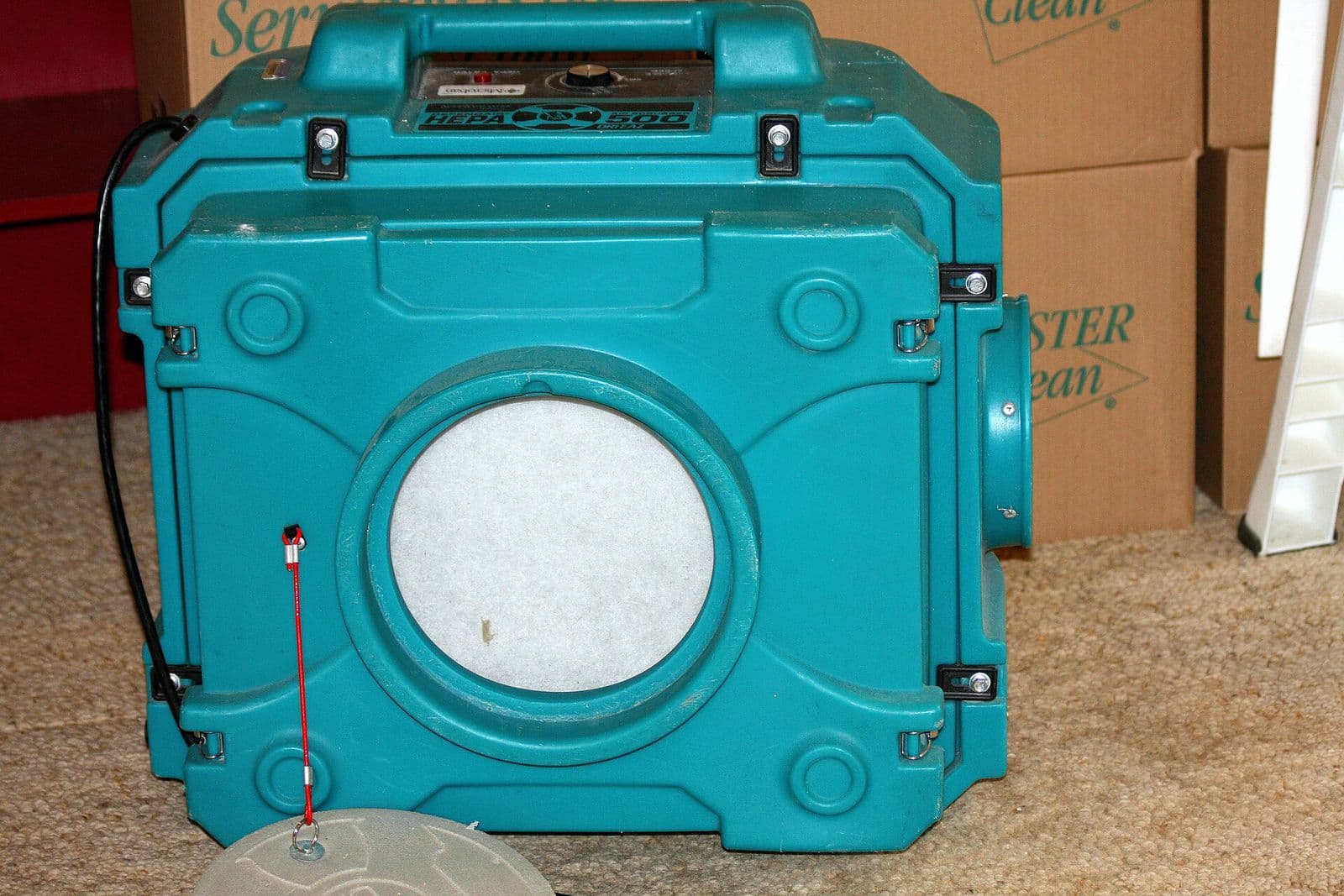
| Cleaning hard surfaces | Scrubbing and HEPA vacuuming | HEPA vacuums are recommended for final cleanup |
| Drying and moisture repair | Fixing the leak, drying materials | The key to mold control is moisture control |
| Clearance | An independent check that the job passed | Required before a Texas certificate is issued |
Table: parts of a remediation job. Sources linked in each cell.
Notice what's missing: identifying the species. TDLR says testing to determine what kind of mold is present is not required prior to remediation or cleaning, and the CDC says all molds should be treated the same with respect to potential health risks and removal. Black, green or white, the remediation method is the same. See types of mold for why color doesn't change the plan.
Licensed mold remediation in Texas
Texas licenses mold work through TDLR, so remediation here comes with rules that protect you.
Who can do it
Texas law says a person may not engage in mold remediation unless the person holds a mold remediation license, subject to the exemptions above. TDLR issues several mold credentials, including Mold Remediation Contractor, Mold Remediation Company and Mold Remediation Worker on the cleanup side, and Mold Assessment Consultant, Mold Assessment Technician and Mold Assessment Company on the testing side.
Before you hire, check the license with our license check tool. It takes under a minute. Our guide to checking a Texas mold license explains what each license type allows, and how we verify explains how we check every company we list.
Testing and remediation must be separate companies
Texas law says a license holder may not perform both mold assessment and mold remediation on the same project, and a person may not own an interest in both companies on the same project. The idea is simple: the company that gets paid to remove mold shouldn't be the one deciding how much mold there is or whether the job passed.
So a licensed remediation job in Texas involves two businesses:
- A mold testing company inspects, writes the remediation protocol and later does the clearance check.
- A separate mold removal company does the remediation to that protocol.
Our guide on why mold testing and removal are different companies explains the rule and how to coordinate the two.
The paperwork you should get
Under TDLR rules, a passed job ends with a Certificate of Mold Damage Remediation, which the remediator must provide not later than ten calendar days after the project stop-date. In it, the licensed assessor states that the mold contamination identified for the project has been remediated as outlined in the mold remediation protocol.
Keep it. Texas law says an insurer may not make an underwriting decision regarding a residential property insurance policy based on previous mold damage or a claim for mold damage when the property was remediated, as evidenced by that certificate. And when you sell, TDLR rules say the owner shall provide to the buyer a copy of each Certificate of Mold Damage Remediation issued for the property in the previous five years.
What mold remediation costs and how long it takes
We cover both in their own guides, but to set expectations: Fixr's 2025 guide puts typical mold remediation costs at $1,500 to $9,000, with a national average of $3,500, and says the work takes a few hours to several weeks depending on how much mold there is and what caused it. In Texas, budget for the separate assessor too. Full breakdowns are in mold remediation cost, mold testing cost and how long mold remediation takes.
Mold remediation is common across Texas because so much of the state is humid. NOAA notes that the Gulf serves as the primary source of moisture for the state, and floods like Harvey, when rainfall exceeded 30 inches in many locations, leave behind exactly the wet drywall and carpet that remediation exists to deal with. You can find licensed companies in Houston, San Antonio, Austin and across Texas.
FAQ
What does mold remediation mean?
It means removing mold and mold-damaged material, cleaning the area, and fixing the conditions that caused it. Texas law defines mold remediation as the removal, cleaning, sanitizing, demolition, or other treatment, including preventive activities of mold or mold-contaminated matter. The EPA says the purpose is to remove the mold to prevent human exposure.
What is the difference between mold remediation vs mold removal?
In everyday use, there often isn't one; many companies use the words interchangeably. When people draw a line, "removal" means getting visible mold off a surface, while "remediation" also covers removing contaminated materials, containment, fixing the moisture source and verifying the result. Texas law uses "remediation" for the full job.
When is remediation for mold required in Texas?
TDLR says areas of visible mold less than 25 contiguous square feet may in most cases be cleaned by people who aren't licensed. Above that, hire a licensed remediator, unless you're an owner of a building with fewer than 10 units working on your own residential property. The EPA suggests professional help for anything over about 10 square feet.
Does mold remediation kill all the mold?
No, and it shouldn't claim to. The EPA says it is impossible to get rid of all mold and mold spores indoors. Remediation removes the growth and contaminated materials and fixes the moisture so mold doesn't come back.
Do I need a mold test before remediation of mold?
Not to identify the type. TDLR says testing to determine what kind of mold is present is not required prior to remediation. For licensed jobs, a separate licensed assessor still inspects the home and writes the protocol, and later does the clearance check. See is mold testing worth it.
Licensed Mold Pros directory
Find a licensed mold removal company
Removal companies hold a Texas mold remediation license. They remove the mold to a plan written by a separate, licensed testing company.
Sources
- Texas Occupations Code § 1958.001, Definitions (texas.public.law) (accessed Oct 2026)
- Texas Occupations Code § 1958.101, License Required (texas.public.law) (accessed Oct 2026)
- Texas Occupations Code § 1958.155, Conflict of Interest (texas.public.law) (accessed Oct 2026)
- Texas Insurance Code § 544.303 (texas.public.law) (accessed Oct 2026)
- 16 Tex. Admin. Code § 78.120, Minimum Work Practices and Procedures for Mold Remediation (Cornell LII) (accessed Oct 2026)
- 16 Tex. Admin. Code § 78.150, Certificate of Mold Damage Remediation (Cornell LII) (accessed Oct 2026)
- TDLR: Help! I have mold (Mold Remediation Consumer Protection) (Jan 2025)
- TDLR: Mold Assessors and Remediators FAQ (accessed Oct 2026)
- TDLR: Mold Assessors and Remediators program page (accessed Oct 2026)
- EPA: A Brief Guide to Mold, Moisture and Your Home (accessed Oct 2026)
- EPA: Mold Cleanup in Your Home (accessed Oct 2026)
- EPA: What are the basic mold cleanup steps? (accessed Oct 2026)
- EPA: Mold Remediation in Schools and Commercial Buildings, Chapter 3 (accessed Oct 2026)
- CDC: Mold (Sept 26, 2024)
- CDC: Mold Clean Up Guidelines and Recommendations (Feb 16, 2024)
- CDC: Facts About Stachybotrys chartarum (May 29, 2024)
- Fixr: Mold Remediation Cost (updated Aug 29, 2025)
- NOAA/NCICS: Texas State Climate Summary (accessed Oct 2026)
We link every number, rule and health claim to its source. See our editorial policy.