On this page
Short answer
Borax for mold can help clean hard surfaces, and borates can stop the growth of fungi, such as mold. But government wood research found borates alone have negligible or no mold inhibitor activity, and the EPA says killing mold is not enough: it must also be removed. Borax is also a real poison risk for small children and pets, so store it like any other chemical.
Borax for mold is a favorite on DIY sites because it's sold in the laundry aisle, has no bleach smell, and is described as "natural." Natural doesn't mean harmless, and "kills mold" is a bigger claim than the evidence supports. This guide covers what borax is, what it does and doesn't do to mold, how to use it on a small patch, and the safety facts every household with kids or pets should know.
What borax is
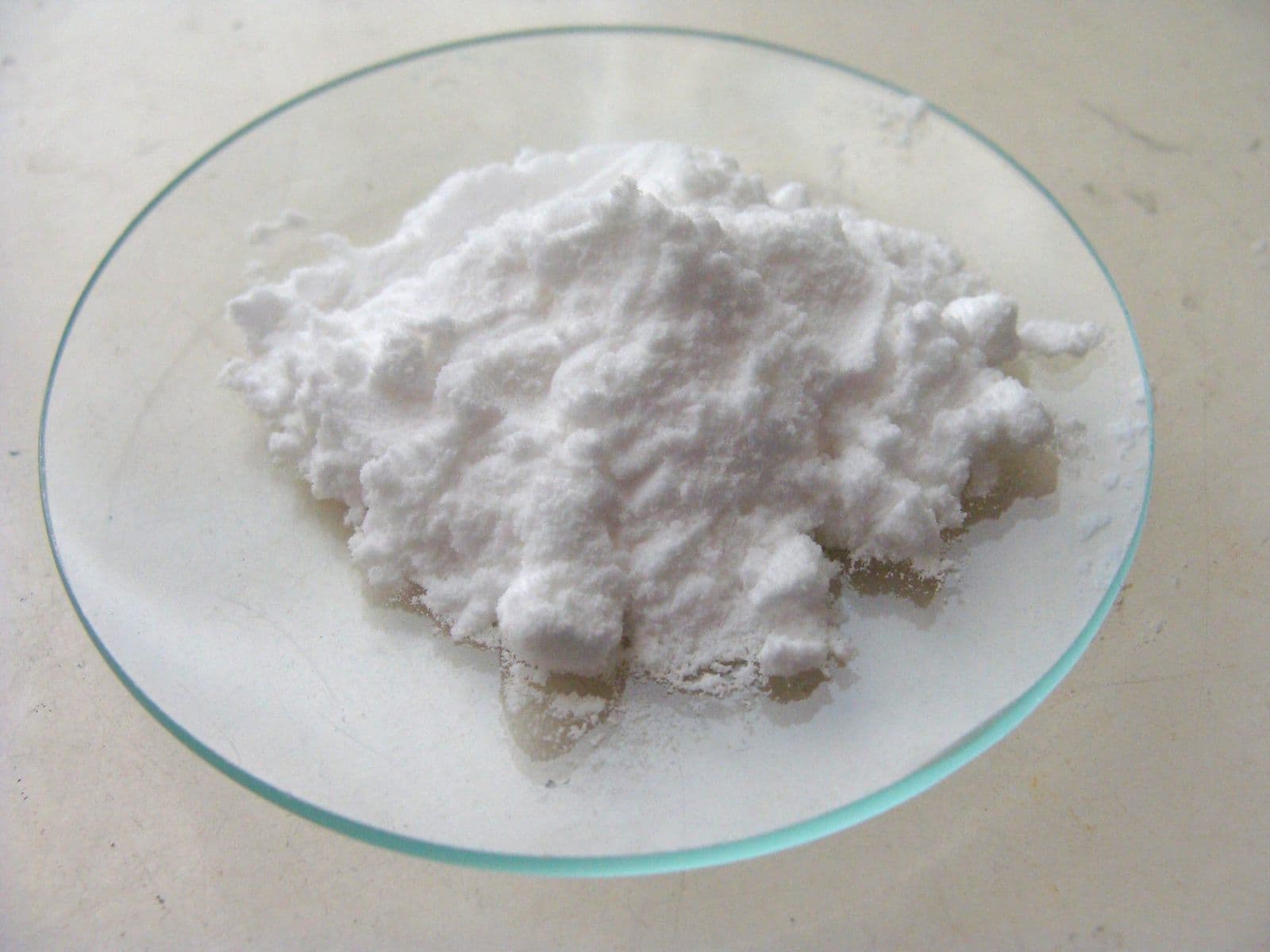
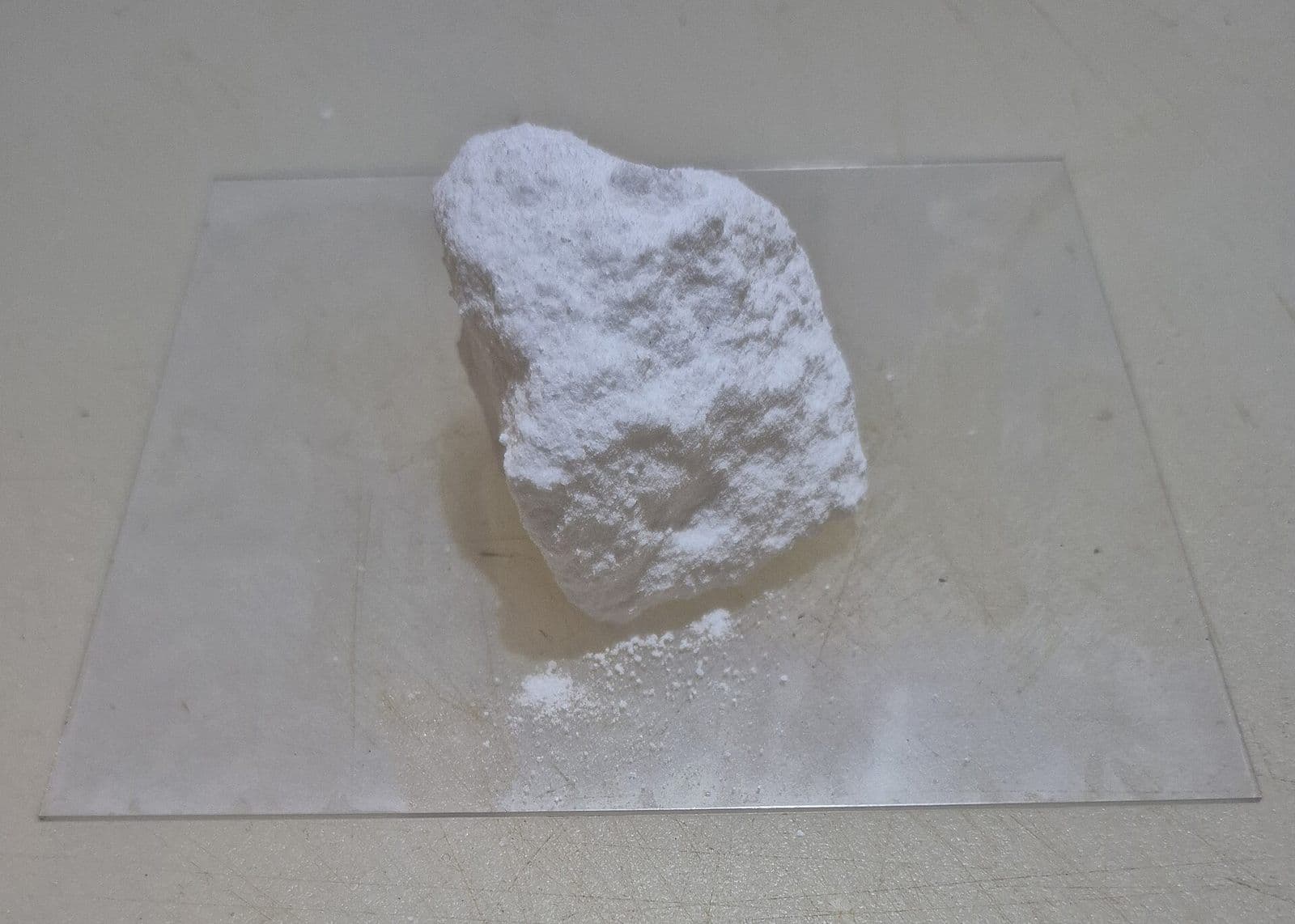
Borax is a sodium borate salt, closely related to boric acid. The National Pesticide Information Center (NPIC, a program at Oregon State University) says boric acid and its sodium borate salts are pesticides that we can find in nature and many products, and that borax is one of the most common products. NPIC's technical sheet notes that sodium tetraborate decahydrate (borax) is the chemical name, and that boric acid and borate pesticides were registered for use in 1948.
Borates are also found in products that aren't pesticides at all. NPIC says household cleaners and laundry detergents may contain boric acid. That's the form most people buy: a box of laundry booster.
Does borax kill mold?
The answer is "it affects mold growth, but not strongly enough to rely on by itself."
What borates do. NPIC says boric acid can also stop the growth of fungi, such as mold. Its technical sheet says borate compounds are used to inhibit the growth of fungi by preventing the production of reproductive spores. In other words, borates mostly slow mold down rather than wiping it out on contact.
What wood research found. Borates are widely studied as wood treatments. A 2013 USDA Forest Products Laboratory research paper found that boric acid or disodium octaborate alone have substantial potency against insects and decay fungi, but have negligible or no mold inhibitor activity. The researchers got better mold control only when they combined borates with fatty acids, which appears to act synergistically to inhibit mold growth. That's a factory treatment, not a spray bottle at home.
What's missing. We found no peer-reviewed study testing a household borax solution on moldy drywall, tile or wood in a home. Any claim that borax "kills 100% of mold" or "prevents mold forever" is not backed by published research we could find.
| Claim you'll see online | What the sources say |
|---|---|
| "Borax kills mold" | Borates stop the growth of fungi, such as mold, mainly by blocking spore production |
| "Borax prevents mold from returning" | Borates alone showed negligible or no mold inhibitor activity in wood tests |
| "Borax is non-toxic" | Borax can be corrosive to the eye; swallowing borates can poison children |
| "Borax works on drywall" | Porous materials like drywall should be removed and discarded when moldy |
Why killing mold isn't the point anyway
The EPA's Mold Course says a mold-killing chemical is not recommended as a routine practice during mold cleanup. It explains that dead mold is allergenic and may cause allergic reactions, so it is not enough to simply kill the mold. It must also be removed.
That means mold removal with borax works the same way as mold removal with dish soap: you scrub the growth off a hard surface and dry it. The EPA's baseline is to scrub mold off hard surfaces with detergent and water, and dry completely. Borax is optional. The scrubbing and drying are not.
Mold removal with borax: where it can work
Borax is a reasonable cleaner on surfaces TDLR says can be cleaned: non-porous surfaces such as concrete, metal, glass, tile, and solid wood. Examples:
- Tile and grout in a bathroom or shower
- Sealed concrete in a garage or basement
- Solid, sealed wood (see mold on wood)
- Metal, glass and plastic
It won't fix porous materials. TDLR says mold growth is difficult to clean from absorbent (porous) surfaces such as drywall, carpet, fleecy furnishings and insulation, and those should be removed and discarded. It also says that merely applying a chemical such as bleach to drywall, without removing the mold source, is not a permanent effective solution. The same logic applies to borax.
How to use borax for mold on a small patch
No federal or Texas agency publishes a borax-to-water ratio for mold, so follow the cleaning directions on the box and treat borax as a detergent booster. This method is only for small areas: the EPA says you can usually handle mold yourself if it covers less than about 10 square feet.
- Fix the moisture. Moisture control is the key to mold control. Without it, the mold returns.
- Wear the gear. The EPA minimum for small areas is gloves, N-95 respirator, goggles/eye protection. Goggles matter more than usual here, because borax can be corrosive to the eye. See mold removal protective gear.
- Mix in a labeled container. Dissolve the borax in warm water in a bucket or a spray bottle you label clearly. Never use a drink bottle.
- Apply and scrub. Wet the area and scrub with a stiff brush until the growth is gone.
- Wipe away the residue. Wipe the surface with a damp cloth. This removes loosened mold and leftover powder that a child or pet could touch or lick.
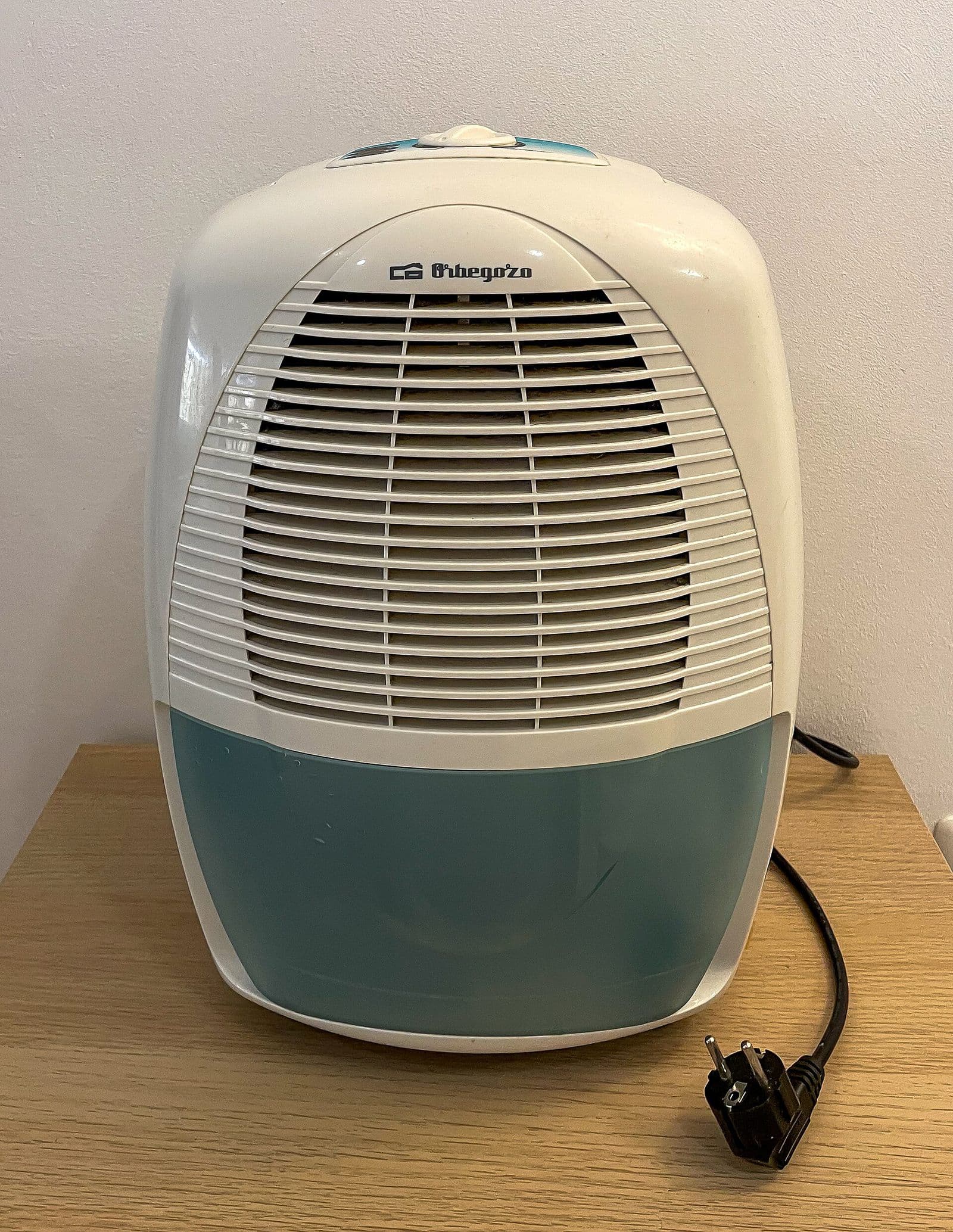
- Dry completely. Use a fan or dehumidifier. The EPA's instruction is to dry completely.
- Bag the waste and wash up. Seal rags in a plastic bag and wash your hands.
Use one product at a time. The EPA and CDC flood cleanup guide says do not mix cleaning products together, and the CDC warns to never mix bleach with ammonia or other cleaners.
Is borax safe? Keep it away from kids and pets
Borax has a gentle reputation, but the federal and university sources are clear that it needs care.
Swallowing. NPIC rates boric acid as low in toxicity if eaten or if it contacts skin, yet it also reports that infants who ate large amounts had nervous system effects such as convulsions and coma. NPIC's technical sheet estimates minimum lethal oral doses from accidental poisonings at 3-6 g for children and <5 g for infants. MedlinePlus (from the National Library of Medicine) lists "borax poisoning" under boric acid poisoning and says the hallmark signs are blue-green vomit, diarrhea, and a bright red rash on the skin. It also notes that the infant death rate from boric acid poisonings is high.
Children. NPIC says children may be especially sensitive to pesticides compared to adults, partly because they put hands and objects in their mouths.
Pets. NPIC warns that in animals that eat boric acid, signs of poisoning in animals can start within 2 hours. Don't leave borax residue on floors, baseboards or anywhere a dog or cat can lick.
Eyes and skin. Borax can be corrosive to the eye, and borax can also be irritating to the skin.
Breathing the powder. NPIC says people who breathed in borax had a dry mouth, nose, and throat. Pour it gently and mix it in water rather than sprinkling dry powder around.
Reproductive effects. NPIC's archived technical sheet reports that in animal studies boric acid and borax have been found to act as reproductive toxins to males and females. If you're pregnant, let someone else handle the cleanup.
If someone swallows borax or gets it in their eyes and has symptoms, MedlinePlus says to call the local emergency number (such as 911). Bring the box so responders know what was involved.
For mold-related health concerns, see a doctor. A mold test doesn't diagnose illness, and our mold exposure guide explains what the CDC and EPA say.
Check the label: cleaner or registered mold product?
The EPA says U.S. laws require EPA to register all pesticides, and registered products carry an "EPA Reg. No." on the label. If a box of borax has no EPA registration number and no mold directions, it's being sold as a cleaner, not as a tested mold killer. Products that do make mold claims must be used as directed, because the label is the law. Our mold removal spray guide explains how to read those labels.
When to call a professional
Get help if the mold covers more than about 10 square feet, keeps coming back, or follows a flood or sewage backup. In Texas, TDLR says that in most instances areas of visible mold less than 25 contiguous square feet in area may be cleaned or removed by people who are not licensed. Larger jobs generally need a licensed remediator.
Texas law also says a license holder may not perform both mold assessment and mold remediation on the same project. Hire a mold testing company if you need an assessment, and a separate mold removal company for the cleanup. We list both across Texas, including Houston and Fort Worth. Check any company with our license check, and see how we verify every listing. For other DIY options, compare baking soda for mold and hydrogen peroxide for mold.
FAQ
Does borax kill mold?
It slows mold more than it kills it. NPIC says borates inhibit the growth of fungi by preventing the production of reproductive spores, and USDA wood research found borates alone had negligible or no mold inhibitor activity. Scrubbing and drying do the real work.
Is borax for mold safer than bleach?
It's a different risk, not a zero risk. Borax can be corrosive to the eye, and swallowing it is dangerous for children: NPIC estimates minimum lethal doses at 3-6 g for children and <5 g for infants.
How do I do mold removal with borax?
Dissolve it in warm water per the box directions, scrub the hard surface, wipe off the residue, and dry the area completely. Wear gloves, N-95 respirator, goggles/eye protection, and only tackle areas under about 10 square feet.
Can I leave borax on the surface to prevent mold?
We don't recommend it in homes with children or pets, since NPIC says signs of poisoning in animals can start within 2 hours of eating boric acid. Research also found borates alone gave little mold protection on wood. Keeping humidity down is the better prevention.
Does borax work on moldy drywall?
No. TDLR says porous materials such as drywall are difficult to clean and should be removed and discarded. See our mold on walls guide.
Licensed Mold Pros directory
Find a licensed mold removal company
Removal companies hold a Texas mold remediation license. They remove the mold to a plan written by a separate, licensed testing company.
Sources
- National Pesticide Information Center (Oregon State University): Boric Acid General Fact Sheet (reviewed Dec 2013; accessed Oct 2026)
- National Pesticide Information Center: Boric Acid Technical Fact Sheet (archived) (reviewed May 2012; accessed Oct 2026)
- MedlinePlus (National Library of Medicine): Boric acid poisoning (reviewed Jan 8, 2025)
- Coleman, Yang and Clausen: Performance Characteristics of Borate Fatty Acid Formulations as Mold Inhibitors, USDA Forest Products Laboratory FPL-RP-673 (2013)
- EPA: Mold Course Chapter 1 (accessed Oct 2026)
- EPA: Mold Course Chapter 6 (accessed Oct 2026)
- EPA: What are the basic mold cleanup steps? (accessed Oct 2026)
- EPA: A Brief Guide to Mold, Moisture and Your Home (accessed Oct 2026)
- EPA: EPA Explains... How to Read a Pesticide Product Label (updated Dec 9, 2025)
- EPA/CDC: Homeowner's and Renter's Guide to Mold Cleanup After Disasters (PDF) (accessed Oct 2026)
- CDC: Mold (accessed Oct 2026)
- TDLR: Help! I have mold (Mold Remediation Consumer Protection) (Jan 2025)
- Texas Occupations Code § 1958.155 (texas.public.law) (accessed Oct 2026)
We link every number, rule and health claim to its source. See our editorial policy.