On this page
Short answer
Mold on windows almost always comes from condensation: warm, humid air hits cold glass and water collects on the sill, frame and seals. Clean hard surfaces with detergent and water, dry them, and then bring indoor humidity down. The EPA recommends keeping it below 60 percent (ideally between 30 and 50 percent). Mold that keeps returning, or soft, stained wood around the frame, can mean a leak.
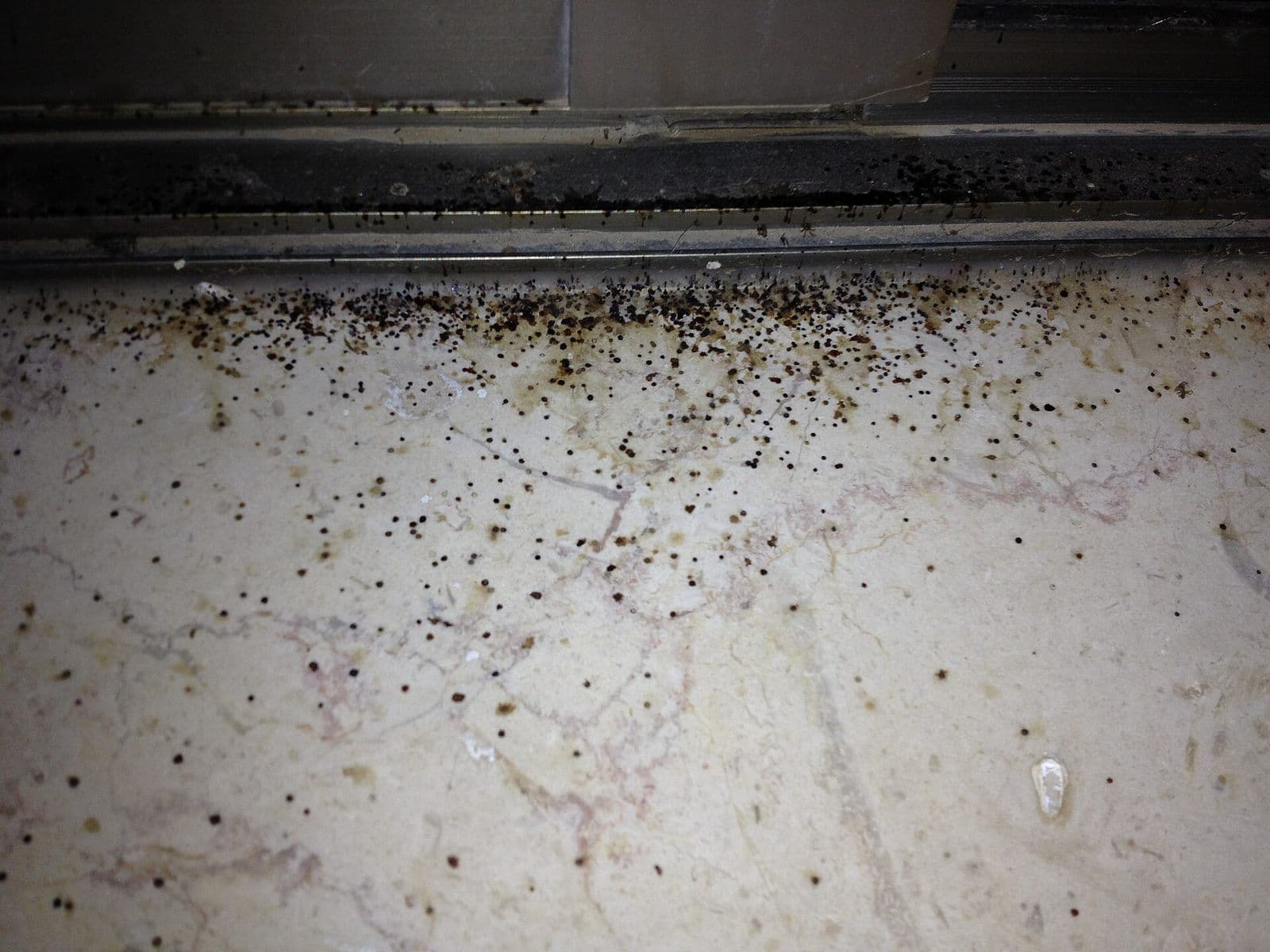
Mold on windows is one of the first places mold shows up in a home, and one of the easiest to deal with if you catch it early. The glass itself doesn't grow much. The mold lives in the dust, grime and moisture that collect in tracks, on rubber seals and on the windowsill. This guide covers why it happens, how to clean each part, and how to stop the condensation that keeps feeding it.
Why mold grows on windows: condensation
The EPA lists areas around windows among the common sites of indoor mold, and says a little condensation, in a bathroom or around a window sill, for example, can be enough.
Condensation is simple physics. The EPA explains that when warm, humid air contacts a cold surface, condensation may form. Window glass is usually the coldest surface in a room. NDSU Extension puts it this way: when the heated air in your house comes in contact with the cold air next to your windows, it cools. The cooler air causes the excess moisture to stick to the window as condensation. The water runs down, pools on the sill and in the tracks, and soaks into any dust there.
The EPA treats it as a warning sign: condensation can be a sign of high humidity. NDSU adds that excess moisture also can be a breeding ground for mold.
Where the moisture comes from
NDSU notes that each person in a house adds 3 pints of water vapor to the air every day just from breathing, before you add showers, cooking and laundry. Bob Vila lists other common sources: a dryer that doesn't vent outside, and humidifiers. It suggests confirming that your dryer's vent hose runs to the outside of your home, and, if you use a humidifier, turning it off in the winter, or running it less frequently.
Condensation on windows in Texas
Most window-condensation advice is written for cold northern winters. Texas is different, but the same EPA rule applies: condensation forms wherever humid air meets a surface colder than it is. You'll see it on the inside of the glass during cold snaps and winter fronts, and in bathrooms and kitchens year-round. In humid summers, an air-conditioned room can cool the glass enough that water beads on the outside of the window instead. Outside condensation is less of a mold risk indoors, but water that runs into the frame and sill can still cause trouble over time.
| Where you see condensation | What it usually means | What to do |
|---|---|---|
| Inside the glass, many windows | Indoor humidity is too high | Lower humidity; run fans; check dryer venting |
| Inside the glass, one room only | A local moisture source (bathroom, kitchen, plants, aquarium) | Ventilate that room |
| Between the two panes | The window's seal has failed | Repair or replace the glass unit |
| Outside the glass | Humid outdoor air meeting AC-cooled glass | Usually harmless; keep sills and frames sealed |
Table: reading condensation on windows.
Bob Vila notes that moisture between the glass is usually caused by a faulty seal. That moisture can't be wiped off; the insulated glass unit has to be repaired or replaced.
How to get rid of mold on window seals, tracks and sills
Gear first. For small cleanups, the EPA's minimum is gloves, goggles/eye protection and an N-95 respirator.
Don't mix cleaners. Window products are a hidden risk. The Washington State Department of Health says ammonia is found in some glass and window cleaners, and lists some glass and window cleaners among acid products. Mixing either with bleach gives off toxic gas. The CDC says never mix bleach with ammonia or other cleaners.
Glass and frames (vinyl, aluminum, painted wood)
These are hard surfaces. The EPA's method is to scrub mold off hard surfaces with detergent and water, and dry completely. If you use bleach, the CDC's limit is no more than 1 cup of household laundry bleach in 1 gallon of water. Open the window while you work.
Window seals and gaskets
The rubber or vinyl gaskets that hold the glass trap dirt and moisture in their folds. Here's how to get rid of mold on window seals:
- Wipe loose growth with a damp cloth, then throw it away or wash it hot.
- Scrub along the seal with a soft toothbrush and detergent and water, working into the crease.
- Wipe clean with plain water and dry with a towel, getting into the fold.
- Check the seal afterward. If it's cracked, shrunken or pulling away from the glass, water will keep getting in, and it may need replacing.
Window tracks
Tracks collect dust, dead insects and water. Bob Vila calls them a catchall for dust, insect corpses, mildew, and even mold. Its method, in short:
- Vacuum out loose debris with a narrow nozzle.
- Generously sprinkle an even dusting of baking soda into the window tracks, then spray with a solution of equal parts water and white vinegar.
- Let sit for 5 to 10 minutes, then scrub with an old toothbrush.
- Wipe out the corners with the blade of a butter knife in a clean, dry rag, and dry everything.
Don't use bleach in the same session as the vinegar spray.
Mold in windowsill wood
A painted or sealed windowsill can be cleaned like any hard surface. Bare or damaged wood is harder. The EPA's remediation table lists wet vacuum, damp wipe and HEPA vacuum as the cleanup methods for small areas of mold on wood surfaces, and adds removal for large areas. For water-damaged wood, the EPA says treated or finished wood surfaces may be cleaned with mild detergent and clean water and allowed to dry.
Don't paint over a stained sill. The EPA says do not paint or caulk moldy surfaces. If the wood is soft or crumbling, it needs repair, not just cleaning. See our mold on wood guide.
Curtains and blinds
Curtains that touch a wet window get moldy too. For drapes, the EPA's guidance is to follow laundering or cleaning instructions recommended by the manufacturer. Our mold on clothes guide covers washing fabric.
How to stop condensation on windows
Cleaning without fixing the moisture means you'll do it again next month.
Lower indoor humidity. The EPA's target is below 60 percent (ideally between 30 and 50 percent); TDLR and the CDC both say no higher than 50%. In cold weather, the safe level drops: NDSU recommends relative humidity levels around 40 percent in the winter. A cheap hygrometer tells you where you are; Bob Vila suggests you invest in a hygrometer to keep close tabs on the humidity level. The EPA notes humidity can be measured with a moisture or humidity meter.
Use exhaust fans that vent outside. NDSU says to run bathroom and kitchen fans when humidity is high, just make sure the fans vent to the outside, because venting into the attic could cause unseen moisture problems, including mold growth.
Use AC or a dehumidifier in humid months. TDLR recommends you use air conditioner or a dehumidifier during humid months. In winter, NDSU notes dehumidifiers generally are ineffective if humidity levels are below 50 percent, so ventilation matters more then. See our dehumidifier for mold guide.
Keep air moving at the glass. NDSU says that if condensation is occurring on windows behind draperies, try leaving the drapes open at night. The EPA also suggests you increase air temperature and air movement to reduce condensation. TDLR recommends good air movement in the home: open windows when possible.
Wipe the sill dry on mornings when you see water. It takes a minute and denies mold its water supply.
When mold on windows means something bigger
Window mold is usually a surface problem. Call for help if you see:
- Mold on the wall below or beside the window, or bubbling paint there. That suggests water getting into the wall, not just condensation. See mold in walls and mold on walls.
- Soft or rotting sills and frames.
- Mold that returns fast even after you've lowered humidity.
- Musty smells near the window with little visible mold. The EPA says you may suspect hidden mold if a building smells moldy, but you cannot see the source.
If you suspect a leak, especially after a heavy storm, have the window and its flashing checked first, then deal with the mold.
Health. The CDC says that for some people, mold can cause a stuffy nose, sore throat, coughing or wheezing, burning eyes, or skin rash. If someone in your home has symptoms, see a doctor. A mold test can't diagnose illness.
Who to call in Texas. For the cleanup, hire a licensed mold removal company. If you want an assessment of mold inside the wall, hire a separate mold testing company; Texas law says a license holder may not perform both mold assessment and mold remediation on the same project. TDLR says that in most instances, visible mold less than 25 contiguous square feet can be cleaned by people who aren't licensed. Check a company with our license check, browse El Paso or anywhere in Texas, and read how we verify listings.
FAQ
How do I get rid of mold on window seals?
Scrub the rubber or vinyl seal with a soft toothbrush and detergent and water, rinse, and dry the fold well. The EPA's method for hard surfaces is to scrub mold off hard surfaces with detergent and water, and dry completely. Replace seals that are cracked or pulling away.
Why is there mold in my windowsill?
Condensation. Water from the glass runs down and sits on the sill. The EPA says a little condensation, in a bathroom or around a window sill, for example, can be enough for mold to grow. Lower indoor humidity and wipe the sill dry.
Is condensation on windows a problem?
A little now and then isn't. Regular condensation is a sign the air is too humid. The EPA says condensation can be a sign of high humidity, and NDSU says the extra moisture can be a breeding ground for mold.
What humidity stops mold on windows?
The EPA recommends below 60 percent (ideally between 30 and 50 percent). In cold weather you may need to go lower; NDSU suggests around 40 percent in the winter.
What does moisture between window panes mean?
It usually means the seal on a double-pane window has failed. Bob Vila says moisture between the glass is usually caused by a faulty seal. You can't clean it out; the glass unit needs repair or replacement.
Licensed Mold Pros directory
Find a licensed mold removal company
Removal companies hold a Texas mold remediation license. They remove the mold to a plan written by a separate, licensed testing company.
Sources
- EPA: A Brief Guide to Mold, Moisture and Your Home (accessed Oct 2026)
- EPA: What are the basic mold cleanup steps? (accessed Oct 2026)
- EPA: Mold Course Chapter 1 (accessed Oct 2026)
- EPA: Mold Course Chapter 2 (accessed Oct 2026)
- EPA: Mold Course Chapter 6 (accessed Oct 2026)
- EPA: Table 1, Water Damage: Cleanup and Mold Prevention (PDF) (accessed Oct 2026)
- EPA: Table 2, Guidelines for Remediating Building Materials with Mold Growth Caused by Clean Water (PDF) (accessed Oct 2026)
- CDC: Mold (Sept 26, 2024)
- NDSU Extension: Window Condensation a Common Problem (Jan 14, 2011)
- Washington State Department of Health: Dangers of Mixing Bleach with Cleaners (accessed Oct 2026)
- Bob Vila: Condensation on Windows: Why It Happens, and What to Do About It (updated Feb 8, 2024)
- Bob Vila: How to Clean Window Tracks (updated Mar 14, 2022)
- TDLR: Help! I have mold (Mold Remediation Consumer Protection) (Jan 2025)
- Texas Occupations Code § 1958.155 (texas.public.law) (accessed Oct 2026)
We link every number, rule and health claim to its source. See our editorial policy.