On this page
Short answer
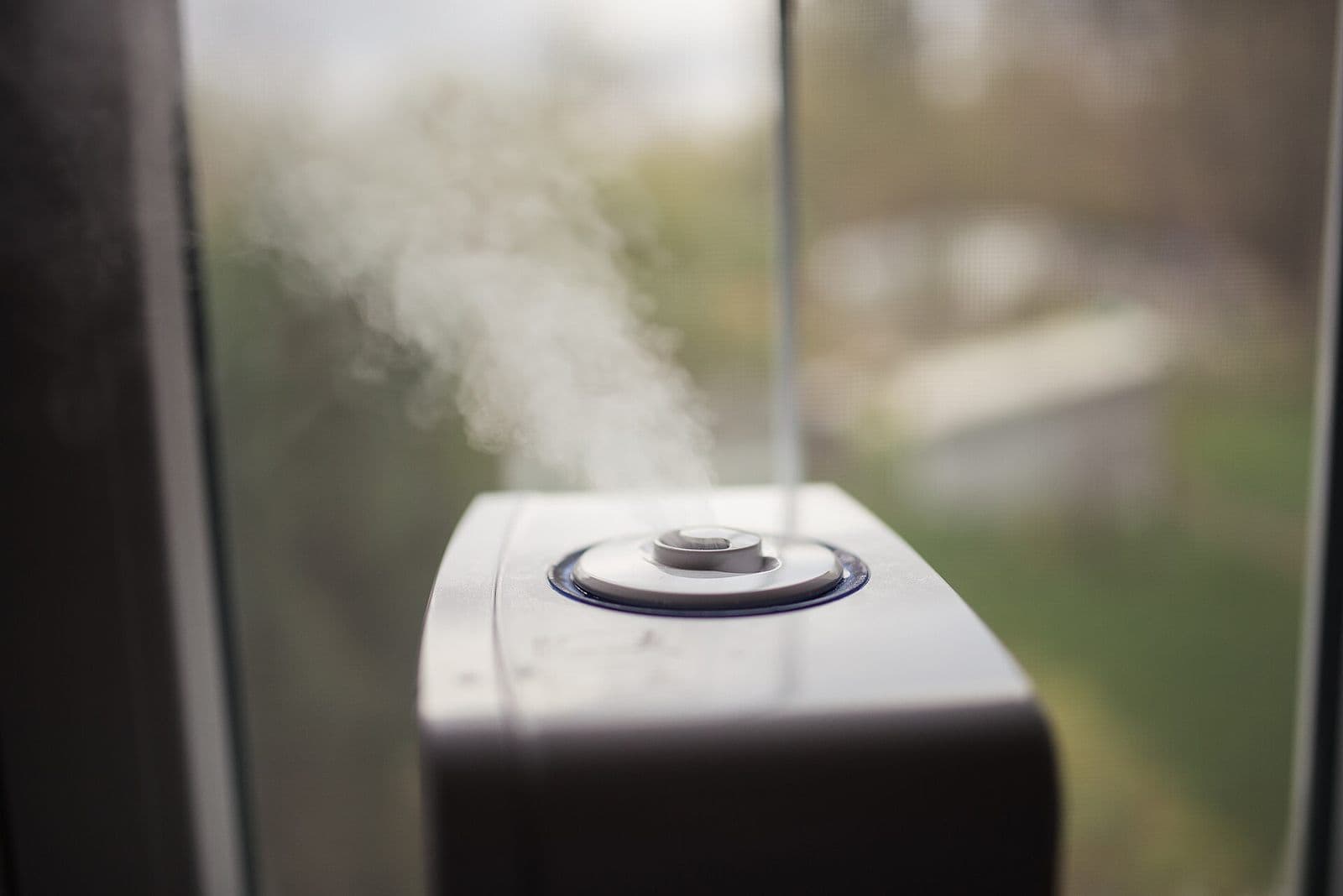
Mold in a humidifier grows in the standing water of the tank, and some types can spray it into the air. The EPA says to empty the tank, wipe all surfaces dry, and refill the water in portable humidifiers daily, and to clean portable units every third day, using 3% hydrogen peroxide if the maker gives no other instructions. Use distilled water, keep indoor humidity at or below 50 percent, and stop using the unit and call your doctor if you get breathing symptoms.
Mold in humidifier tanks is easy to miss. The pink or black film builds up in the tank, the base and the wick, and the machine keeps running. This guide explains why it happens, how to clean mold from a humidifier step by step, which types spread contaminants and which don't, and what's known about humidifier mold sickness, including "humidifier fever."
Why mold in humidifier tanks is so common
A humidifier is a container of water sitting at room temperature, often for days. The EPA puts it plainly: microorganisms often grow in humidifiers which are equipped with tanks containing standing water. The CDC lists humidifiers among home devices where germs can grow and says to empty and clean tanks on humidifiers daily.
The other problem is the humidity itself. Too much moisture in a room feeds mold on walls, windows and furniture. The EPA says do not humidify to indoor relative humidity levels exceeding 50 percent and do not permit the area around the humidifier to become damp or wet.
Do Texans even need one?
It depends where you live. Texas precipitation ranges from less than 10 inches in the far west to more than 60 inches in the extreme southeast. In El Paso or Lubbock, a humidifier can make a dry winter more comfortable. In Houston, Beaumont or Corpus Christi, the Gulf is the primary source of moisture and the house more often needs a dehumidifier, not a humidifier. A cheap hygrometer tells you which side of 50 percent you're on.
Which humidifier types spread mold
Not all humidifiers handle dirty water the same way. Here's how the EPA describes them:
| Type | How it works | Spreads microbes and minerals into the air? | Source |
|---|---|---|---|
| Ultrasonic | Cool mist from ultrasonic vibrations | Can disperse microorganisms and minerals from the tank | EPA |
| Impeller | Cool mist from a rotating disk | Can disperse microorganisms and minerals from the tank | EPA |
| Evaporative | Fan blows air through a wet wick or filter | Generally disperses less, if any | EPA |
| Steam vaporizer | Boils water | Generally disperses less, if any; burn risk | EPA |
Table: Humidifier types and mold spread, per EPA.
The EPA says ultrasonic and impeller units can disperse materials, such as microorganisms and minerals, from their water tanks into indoor air. Evaporative and steam types still grow microorganisms in standing water, but generally disperse less, if any, of these pollutants into the air.
Steam units have their own risk. The EPA says to keep steam vaporizer humidifiers out of the reach of children, because steam and boiling water may cause burns.
What to look for when buying
- Easy to clean. A wide tank opening you can get a hand or brush into, and few hidden crevices.
- Parts that come apart. If you can't reach the base, you can't clean it.
- Clear maintenance instructions. The EPA says to follow the manufacturer's instructions regarding the use, maintenance, and replacement of any materials supplied with the humidifier, such as wicks, filters and demineralization cartridges.
- A built-in humidistat, so it shuts off before the room gets too damp.
We don't rate or recommend specific brands.
How to clean mold from a humidifier
These steps follow the EPA's guidance for portable units. If your manual gives different instructions, follow the manual.
- Unplug it. The EPA says to unplug the unit from the electrical socket first before emptying or cleaning.
- Empty and take it apart. Remove the tank, cap, any wick or filter, and the base reservoir.
- Scrub off visible growth. Use a soft brush and warm water on the tank walls, cap threads and base. Pink or black film counts.
- Disinfect. Where the maker gives no specific guidance, the EPA recommends a 3% solution of hydrogen peroxide, then rinsing the tank thoroughly. Some manuals call for diluted bleach or vinegar instead; use what yours says. If you do use bleach, the CDC says never mix bleach with ammonia or other cleaners.
- Rinse well so no cleaner gets misted into the room.
- Replace or clean the wick or filter as your manual directs.
- Dry everything. The CDC says to let them air dry after cleaning.
Mold on humidifier surfaces and around it
Mold on the humidifier's outside, or on the wall, window or furniture next to it, is a sign the room is too humid. Move the unit away from walls, lower the setting, and clean the surface. The EPA says to scrub mold off hard surfaces with detergent and water, and dry completely. If it's on drywall, see mold on walls, and for windows see mold on windows.
Cleaning schedule
| Task | How often | Source |
|---|---|---|
| Empty tank, wipe dry, refill | Daily | EPA; CDC |
| Clean and disinfect portable units | Every third day | EPA |
| Sanitize (smaller units, per older CPSC advice) | Every seven days | CPSC |
| Console and central (furnace) humidifiers | Per manufacturer | EPA |
| End of season: clean, dry, store; toss used cartridges and filters | Once a season | EPA |
Table: How often to clean a humidifier.
The EPA says to clean the humidifier, as directed, at the end of the humidifying season or when the product will not be in frequent use, make sure all parts are dry before storing, and dispose of all used demineralization cartridges, cassettes, or filters. Don't pull a humidifier out of the closet in January and fill it without cleaning it first.
Distilled water vs. tap water
Tap water carries minerals, and ultrasonic and impeller units throw them into the air. The EPA notes some users see a white dust on furniture, which is a sign minerals are being dispersed. The EPA recommends low-mineral water: use bottled water labeled "distilled." Spring water and other bottled waters may still contain minerals.
The CDC adds a germ angle: to further reduce germ growth in humidifiers, use distilled water or boiled (and then cooled) water. The CPSC has said that while most humidifiers use tap water, distilled water is recommended by some. Distilled water reduces minerals and germs going in. It doesn't replace cleaning: mold can still grow in a tank of distilled water that sits for days.
CPAP machines have small humidifiers too. The CDC says most manufacturers recommend using distilled water for them and to clean the mask, humidifier and tubing regularly.
Humidifier mold sickness: what's known
Most people who use a humidifier never get sick from it. But a dirty one can cause real illness in some people, and the EPA notes that the young, the elderly, and those people with lung diseases or respiratory allergies may be particularly susceptible to airborne pollutants.
What the sources say:
- Breathing problems. The CPSC has warned that microorganisms in the tank have the potential to cause respiratory problems. The EPA says breathing mist containing these pollutants has been implicated as causing a certain type of inflammation of the lungs.
- Humidifier lung. Doctors describe "humidifier lung" as a phenotype of hypersensitive pneumonitis, an immune reaction in the lungs linked to contaminated humidifier vapor, often during dry winters. A 2023 case report notes that, like other forms, it presents with cough, dyspnea, and fever. Avoiding the source is the main step.
- Humidifier fever. This is a shorter, flu-like illness. In a 1993 study of an outbreak at a print shop, a contaminated humidifier was linked to illness in 16 (57%) of 28 workers; the most common symptoms were myalgia, chills or subjective fever, and cough, and the illness lasted 2-24 hours. Home cases exist too: a German study of 14 people exposed to a home ultrasonic misting fountain diagnosed humidifier lung in 12 of them and humidifier fever in 2, according to the study abstract.
Both are uncommon, and neither is diagnosed by a mold test of your home. A doctor diagnoses them, and the 2023 case report's title makes the point: the key diagnosis is detailed medical history taking. The EPA's advice is direct: stop using your humidifier and contact your physician if you have respiratory symptoms you think are linked to it, even if you've been cleaning it. For more on how mold affects breathing, see mold and lungs and mold allergy.
When the humidifier caused a bigger mold problem
Running a humidifier too high for weeks can leave mold on walls, window frames, closets and carpet. The EPA recommends keeping indoor humidity below 60 percent (ideally between 30 and 50 percent). Turn the humidifier off, dry the room, and clean small areas yourself.
In Texas, TDLR says areas of visible mold of less than 25 contiguous square feet can be cleaned up by people who are not licensed. For larger areas, use a licensed mold testing company to map the problem and a separate licensed removal company to fix it. Texas law says a license holder may not perform both mold assessment and mold remediation on the same project.
Find licensed mold testing companies in El Paso or Lubbock, and mold removal companies in Dallas, Austin or Houston. Browse all of Texas, check any license with our license check, and read how we verify every company.
FAQ
How do you clean mold from a humidifier?
Unplug it, empty and take it apart, scrub off visible growth, then disinfect with a 3% solution of hydrogen peroxide unless your manual says otherwise. Rinse thoroughly, replace a moldy wick, and let every part air dry.
Can mold in humidifier water make you sick?
It can in some people. The EPA says breathing mist from a contaminated unit has been implicated as causing a certain type of inflammation of the lungs. If you have breathing symptoms, stop using it and see a doctor.
What is humidifier fever?
A short flu-like illness linked to contaminated humidifiers. In one outbreak, symptoms were myalgia, chills or subjective fever, and cough, lasting 2 to 24 hours. It's uncommon, and a doctor makes the diagnosis.
Why is there mold on my humidifier?
Mold on or around the unit usually means the room is too humid or the area around the humidifier is getting wet. The EPA says do not humidify to indoor relative humidity levels exceeding 50 percent. Lower the setting and move it away from walls.
Does distilled water stop mold in a humidifier?
It helps but doesn't stop it. The CDC says distilled or boiled-and-cooled water can further reduce germ growth in humidifiers, and it cuts mineral dust. You still need to empty the tank daily and clean it regularly.
Licensed Mold Pros directory
Find a licensed mold removal company
Removal companies hold a Texas mold remediation license. They remove the mold to a plan written by a separate, licensed testing company.
Sources
- EPA: Use and Care of Home Humidifiers (updated Apr 29, 2026)
- EPA: A Brief Guide to Mold, Moisture and Your Home (updated Feb 18, 2026)
- EPA: What are the basic mold cleanup steps? (updated Jan 14, 2026)
- CDC: Preventing Waterborne Germs at Home (Mar 15, 2024)
- CDC: Controlling Legionella in Other Devices (updated Feb 18, 2026)
- CDC: Mold (Sept 26, 2024)
- CPSC: Portable Humidifiers Need Regular Cleaning During Winter Months (Jan 27, 1992)
- Hara and Yashiro, A case of humidifier lung, Respirology Case Reports (PMC) (2023)
- PubMed: Investigation of an outbreak of "humidifier fever" in a print shop, Am J Ind Med (1993)
- PubMed: Humidifier-associated disease in the general population, Dtsch Med Wochenschr (2006)
- TDLR: Mold Assessors and Remediators FAQ (accessed Oct 2026)
- NOAA/NCICS: Texas State Climate Summary (accessed Oct 2026)
- Texas Occupations Code § 1958.155 (texas.public.law) (accessed Oct 2026)
We link every number, rule and health claim to its source. See our editorial policy.