On this page
Short answer
Mold in carpet can sometimes be cleaned when the carpet got wet with clean water and was dried fast, but the EPA says absorbent or porous materials, such as ceiling tiles and carpet, may have to be thrown away if they become moldy. The pad is the weak point: NDSU Extension says padding is nearly impossible to clean, so it should be replaced. After a flood, Texas A&M says flooded carpets and rugs are best replaced and pads should always be discarded.
Mold in carpet is usually a moisture story: a spill that soaked through, a leak under a sink, a damp slab, or a flood. The carpet fibers on top are often the last place it shows up. This guide covers how to tell whether you have mold under carpet, how to clean a small patch, how to handle area rugs, and when carpet mold removal really means carpet replacement.
If the carpet is moldy because a wall, pipe or slab is wet, cleaning the carpet won't hold. Our guides on signs of mold in house and mold smell in house help you trace the source.
Why mold grows in carpet
Mold needs moisture and food. The EPA says moisture is the most important factor influencing mold growth indoors, and that mold can use organic materials such as paper, cloth and wood as food. Carpet, its backing and the dust caught in it give mold plenty to work with.
Common causes:
- Spills and pet accidents that soak into the pad. TDLR's mold prevention tips say to quickly clean up and dry any liquids that might get on carpets.
- Carpet in bathrooms. TDLR's advice is simple: do not carpet bathrooms.
- Damp concrete underneath. NDSU Extension says moisture seeping through concrete walls and floors will cause moist conditions likely to cause mold growth, including in carpeting. See our mold on concrete guide.
- High indoor humidity. The EPA recommends keeping indoor humidity below 60 percent (ideally between 30 and 50 percent).
- Carpet cleaning that left it wet. EPA's mold course lists making sure that carpets, drapes, furniture, and other furnishings are dried promptly after they have been cleaned as a moisture-control step.
- Leaks and floods. These are the big ones, covered below.
How to tell if there's mold under carpet
The top of the carpet can look fine while the back and pad are growing mold. The EPA lists the underside of carpets and pads among the places hidden mold grows, and NDSU says mold often grows in carpet padding.
Signs to look for:
- A musty smell. UGA Extension says that with mildew in carpet, usually you will notice a musty, sour odor in the room.
- A spot that stays damp or feels cool and clammy underfoot.
- Stains on the back of the carpet. UGA notes that usually mildew will first grow on the back of the carpet.
- Water stains on nearby baseboards or drywall.
To check, pull back a corner of the carpet from the tack strip in the area that smells worst. Wear gloves and an N95, because the CDC recommends at least a NIOSH Approved N95 respirator when you might disturb mold. If the pad is stained, slimy or smells strongly, you've found it.
You don't need a lab test to act on what you can see and smell. The EPA's disaster guide says sampling for mold is not usually recommended, because you need to clean it up and fix the moisture either way. If you can't find the source, a mold testing company can do an inspection. Our how to test for mold guide explains the options.
Can moldy carpet be saved?
It depends on how the carpet got wet, how long it stayed wet, and how far the mold has gone.
Carpet mold removal: clean it or replace it?
| Situation | What the sources say |
|---|---|
| Clean-water spill dried within 24 to 48 hours, no visible mold | EPA: carpet and backing should be dried within 24-48 hours using a water extraction vacuum, dehumidifier and fans |
| Light surface mildew on carpet that got wet once | Often cleanable with the steps below (UGA Extension) |
| Mold on the pad | NDSU: padding is nearly impossible to clean, so it should be replaced |
| Carpet soaked more than 24 hours | NDSU: if the carpet has been soaked for more than 24 hours, replace it |
| Sewage or contaminated floodwater | NDSU: you should discard it for health safety reasons |
| Visible mold grown into the carpet | TDLR: mold is difficult to clean from absorbent (porous) surfaces such as drywall, carpet, fleecy furnishings, so these should be removed and discarded |
The reason porous materials are hard to save: the EPA says molds will infiltrate porous substances and grow on or fill in empty spaces or crevices, so the mold can be difficult or impossible to remove completely. Killing it isn't enough either. The EPA notes that dead mold may still cause allergic reactions in some people.
How to clean mold in carpet (small areas)
These steps come mostly from University of Georgia Extension's carpet mildew guidance. Use them only for a small area on carpet that got wet with clean water. The EPA says that if the moldy area is less than about 10 square feet, in most cases you can handle it yourself.
Gear up first. Wear gloves, goggles and an N95. The CDC says do not touch mold or moldy items with bare hands.
1. Stop the moisture and dry the area
UGA's first step is to stop the growth: use a dehumidifier to remove the moisture from the air and carpet, open windows and run fans. It adds that if possible, you should lift the carpet and circulate air underneath. Be careful running electrical equipment near wet carpet.
2. Get sun or light on it
If mildew is on the surface, UGA suggests opening drapes to let sun shine on the carpet. For a rug you can carry outside, it suggests 1 or 2 days of direct sunlight. UGA also gives an optional step: brush a solution of 1 part 3 percent hydrogen peroxide and 5 parts water onto the affected back of the rug and set it in the sun. Test any solution on a hidden spot first.
3. Vacuum, then wash with suds
Vacuum the surface to draw out the mold. Use a HEPA vacuum if you have one, since the EPA recommends HEPA vacuums for final cleanup of mold. Empty or replace the bag outdoors right away: UGA warns that mold spores are being drawn into the bag of the vacuum cleaner.
Then UGA says to sponge the carpet with thick suds made from dishwashing detergent and water, remove the suds with a cloth dampened in clean water, and blot out as much moisture as you can.
4. Dry it completely
Dry the spot fully, with sun, fans or a dehumidifier. If stains remain, UGA lists solvent-based spotters, but warns that solvents can destroy the carpet backing and foam padding. Don't overwet.
5. Skip the bleach on most carpet
NDSU notes that most modern carpeting is made of nylon and should not be treated with bleach. Never mix bleach with other cleaners: the EPA says to never mix chlorine bleach solution with other cleaning solutions or detergents that contain ammonia. Our vinegar vs bleach for mold guide covers why bleach isn't the answer for porous materials.
6. Deal with the leftover smell
For a lingering musty odor, NDSU suggests sprinkling baking soda over the carpet, working it in, leaving it overnight and then vacuum twice, moving in a different direction the second time. If the smell comes back within days, the pad or the floor underneath is still wet or moldy.
Rug mold removal
Area rugs are easier than wall-to-wall carpet because you can take them outside.
- Small washable rugs. NDSU says washable throw rugs can usually be cleaned adequately in a washing machine. Follow the care label.
- Larger rugs. Take them outdoors for sun and air, following the UGA steps above. Clean outside so you don't spread spores inside.
- Wool rugs. Texas A&M says that if a carpet is wool, do not add bleach.
- Rugs with foam backing, and large rugs soaked by contaminated water. NDSU says wall-to-wall carpet, most large area rugs and rugs with foam backing should be discarded after contaminated flooding, and that professional cleaning is usually not worth the cost except for valuable rugs.
- Valuable or antique rugs. For anything costly or sentimental, the EPA says you may wish to consult a specialist.
Carpet after a flood in Texas
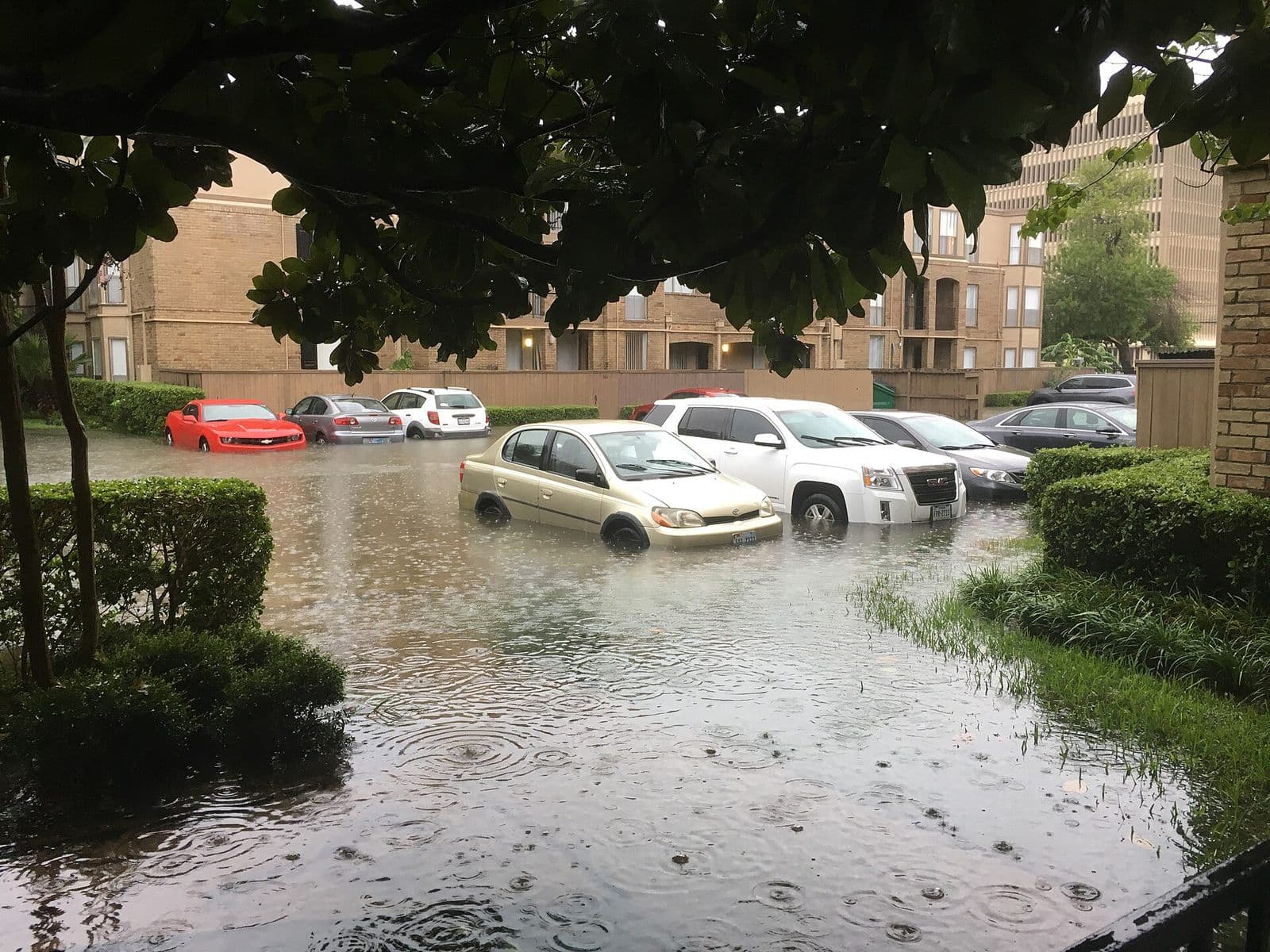
Texas floods ruin a lot of carpet. During Hurricane Harvey in 2017, rainfall exceeded 30 inches in many locations, and a few locations had more than 50 inches. The EPA says that if your home was flooded and not dried within 24-48 hours, you should assume you have mold growth, and that mold may be hidden under carpet or cushions.
Texas A&M AgriLife Extension's flood cleanup sheet says:
- Remove water-logged rugs, carpets, and pads within 48 hours after flooding subsides.
- Flooded carpet pads should always be discarded and replaced.
- If you try to save the carpet, spread it outdoors, hose it off, clean it, and rinse with 1 gallon water and 2 tablespoons liquid household chlorine bleach if colorfast (not on wool).
- Dry the carpet and subfloor thoroughly. Texas A&M warns that if carpet is installed damp, it can mildew.
On a slab, Texas A&M notes that removal of the floor covering will hasten drying of the slab.
Before you throw anything out, document it. Texas A&M advises taking photos for use as an inventory and keeping damaged materials for proof of loss. NDSU adds that you should check with your insurer before cleaning so the work is covered. Our guides on does insurance cover mold and mold after flood Texas cover claims and the rest of the house.
How to keep mold out of carpet
- Keep humidity down. TDLR suggests keeping humidity no higher than 50%, using an air conditioner or dehumidifier. Our dehumidifier for mold guide covers sizing.
- Dry spills fast. EPA says that if wet materials are dried within 24 to 48 hours, mold usually won't develop (EPA).
- Don't carpet wet rooms. Bathrooms, laundry rooms and spaces that flood are poor places for wall-to-wall carpet.
- Dry carpet after cleaning. Run fans and the AC after any shampoo or steam cleaning.
When to call a professional
Call for help if the moldy area is larger than about 10 square feet, if mold has spread to the drywall or subfloor, if sewage was involved, or if anyone in the home has asthma or a weakened immune system. In Texas, TDLR says that in most instances, areas of visible mold less than 25 contiguous square feet in area may be cleaned or removed by people who are not licensed. Larger jobs generally call for licensed professionals.
Texas keeps testing and removal separate: a license holder may not perform both mold assessment and mold remediation on the same project. Find a mold removal company in Houston, Dallas or San Antonio, or start from our Texas page. Check any company with our license check tool, and see how we verify listings.
If someone in the home has symptoms, talk to a doctor. A mold test can't diagnose illness, and the CDC says individuals with persistent symptoms should see their physician.
FAQ
How do you clean mold in carpet?
For a small area on carpet that got wet with clean water, dry it fast with a dehumidifier and fans, get sun or air on it, vacuum (ideally with a HEPA vacuum), sponge with detergent suds, blot and dry completely. UGA Extension's guidance includes an optional 1 part 3 percent hydrogen peroxide and 5 parts water treatment on the back of a rug. If the pad is moldy, it needs replacing.
Can carpet mold removal save my carpet?
Sometimes. Carpet that got wet once with clean water and dried quickly often can be saved. The EPA says porous materials like carpet may have to be thrown away if they become moldy, and NDSU says to replace carpet soaked for more than 24 hours.
How do I know if there is mold under carpet?
A musty smell, a damp or cool spot, and stains on the carpet back or pad are the main signs. UGA Extension notes that mildew will first grow on the back of the carpet. Pull back a corner near the smell, wearing gloves and an N95, and look at the pad and the floor.
Can you do rug mold removal at home?
Small washable rugs can usually go in the washing machine, according to NDSU Extension. Larger rugs can be cleaned outdoors with sun, vacuuming and suds. Foam-backed rugs and large rugs soaked in contaminated floodwater should be discarded, and valuable rugs are a job for a specialist.
Should I throw away carpet after a flood?
Usually, yes. Texas A&M AgriLife Extension says flooded carpets and rugs are best replaced because floodwater may contain contaminants, and that flooded pads should always be discarded. Photograph everything for your insurance claim first.
Licensed Mold Pros directory
Find a licensed mold removal company
Removal companies hold a Texas mold remediation license. They remove the mold to a plan written by a separate, licensed testing company.
Sources
- EPA: A Brief Guide to Mold, Moisture and Your Home (updated Feb 18, 2026)
- EPA: Mold Cleanup in Your Home (updated June 4, 2026)
- EPA: Mold Remediation in Schools and Commercial Buildings, Chapter 3 (updated Apr 29, 2026)
- EPA: Mold Remediation in Schools and Commercial Buildings, Chapter 4 (Table 1) (updated Sept 8, 2026)
- EPA: Mold Course Chapter 1 (updated Feb 18, 2026)
- EPA: Mold Course Chapter 2 (updated Dec 1, 2025)
- EPA: Should I use bleach to clean up mold? (updated Sept 8, 2026)
- EPA: Homeowner's and Renter's Guide to Mold Cleanup After Disasters (accessed Oct 2026)
- CDC: Mold Cleanup (Feb 16, 2024)
- CDC: Facts About Mold and Dampness (May 29, 2024)
- TDLR: Help! I have mold (Mold Remediation Consumer Protection) (Jan 2025)
- Texas Occupations Code § 1958.155: Conflict of Interest (accessed Oct 2026)
- Texas A&M AgriLife Extension: Cleaning Flood-damaged Homes (accessed Oct 2026)
- NDSU Extension: Cleaning Flood-Damaged Carpets and Rugs (revised Apr 2009, accessed Oct 2026)
- NDSU Extension: Remove Mold for a Healthy Home (AE1202) (reviewed Apr 2023)
- University of Georgia Extension: Remove Stains From Mildew, Mold (accessed Oct 2026)
- NOAA/NCICS: Texas State Climate Summary (accessed Oct 2026)
We link every number, rule and health claim to its source. See our editorial policy.