On this page
Short answer
Mold in a refrigerator usually starts on forgotten food and spreads to drawers, shelves and the rubber door gasket. Throw out the moldy food (soft foods go entirely), then wash the inside with 1 tablespoon of baking soda in a quart of water, as University of Arkansas Extension recommends. Scrub visible mold on gaskets with a diluted bleach solution, dry everything, and keep the fridge at 40°F or below.
Mold in refrigerator drawers and seals is gross, but it's almost always a cleaning job, not a mold remediation job. This guide covers what food to throw away from a moldy fridge, how to clean mold in a refrigerator step by step, how to get rid of a fridge mold smell, and what to do after a power outage, which is when Texas fridges most often go bad.
Why mold grows in a cold fridge
Cold slows mold down, but it doesn't stop it. University of Arkansas Extension notes that while molds prefer warmer temperatures, many can grow in the refrigerator.
Fridge mold usually comes from:
- Forgotten food. Berries, bread, soft cheese and leftovers in the back are the usual starting point.
- Spills. Juice and meat drips in crisper drawers feed mold.
- Moisture on the door gasket. The rubber seal stays damp and collects crumbs.
- A power outage. A warm, closed fridge full of spoiling food is the perfect setup.
Step 1: Decide what food to throw out
Start with the food, since that's usually the source. University of Arkansas Extension offers a simple rule:
| Food | What to do | Source |
|---|---|---|
| Firm or hard food with a little mold (hard cheese, firm vegetables) | Usually can be saved by cutting the mold away | UA Extension |
| Soft food (soft cheese, yogurt, bread, soft fruit, leftovers) | Discard if mold appears | UA Extension |
| Moldy corn on the cob, nuts, flour, grains, dried peas and beans, peanut butter | Discard immediately | UA Extension |
| Anything with an unusual smell, color or texture | Throw it out | CDC |
Table: Moldy fridge food, what to keep and what to toss.
In the extension's words, a firm or hard food with only a little bit of mold can be saved by cutting away the mold, but for soft foods the product should be discarded if mold appears.
Two more rules:
- Don't sniff it. The extension says if you suspect a food has mold, don't sniff it to see if it smells spoiled.
- When in doubt, throw it out. That's the CDC's rule, and the CDC also says to never taste food to know if it is safe to eat.
Bag moldy food before it goes in the trash so you don't scatter spores across the kitchen.
Step 2: How to clean mold in refrigerator shelves and seals
Once the food is out, clean the whole fridge, not just the shelf where you found mold.
- Empty it. Consumer Reports says that even if you've found the culprit, you need to empty the entire contents of the refrigerator and freezer. Put food you're keeping in a cooler with ice.
- Unplug it before you clean.
- Wash removable parts. Take out the shelves, crisper drawers and bins and wash them in the sink with hot, soapy water.
- Wash the inside walls. University of Arkansas Extension recommends cleaning the inside with a solution of 1 tablespoon baking soda in a quart of water. Consumer Reports suggests avoiding abrasive cleaners and scrub pads, which scratch plastic liners.
- Sanitize if needed. For strong odors or visible mold on parts, Consumer Reports uses 1 tablespoon liquid chlorine bleach per gallon of water. Rinse with clean water afterward.
- Scrub the door gasket. This is where black mold often hides in the folds. UA Extension says to scrub any visible mold growth on rubber gaskets with 3 tablespoons of bleach in a quart of water. Use an old toothbrush, rinse, and dry. Check your fridge's manual too, since some makers caution against strong cleaners on seals.
- Dry everything before you put it back.
Safety: The CDC says to never mix bleach with ammonia or other cleaners, and to open windows and doors for fresh air while you work.
How often to clean
UA Extension says you should clean the inside of your refrigerator every other month with the baking soda solution. Wiping spills right away and doing a weekly check for old leftovers does most of the prevention work.
Fridge mold smell: getting rid of it
Sometimes the mold is gone but the smell isn't. Consumer Reports' steps for a stubborn fridge smell:
- Air it out. Unplug the refrigerator, leave the door open, and air it out for at least one day. If the odor persists, wipe it down again and air it another day.
- Use an absorber. Consumer Reports suggests you sprinkle fresh activated charcoal or baking soda onto a couple of rimmed cookie sheets and leave them inside.
- Clean the evaporator. If the smell still won't quit, Consumer Reports describes removing the rear panel and cleaning the evaporator coil with warm soapy water, then letting it dry completely before replacing the panel. This means disconnecting controls and sometimes the ice maker, so follow your manual or call an appliance technician.
Other places odors and mold hide: under the crisper drawers, in the drip pan under the fridge (if your model has one), and in the water dispenser and ice maker. The CDC says to maintain and replace all water filters according to the manufacturer's instructions, including refrigerator and icemaker filters.
| Odor fix | How long | Source |
|---|---|---|
| Wash with baking soda solution | One cleaning | UA Extension |
| Unplug and air out with door open | At least one day | Consumer Reports |
| Activated charcoal or baking soda trays | Leave inside | Consumer Reports |
| Clean evaporator coil | Last resort, follow manual | Consumer Reports |
Table: How to get rid of fridge mold smell.
Moldy fridge after a power outage in Texas
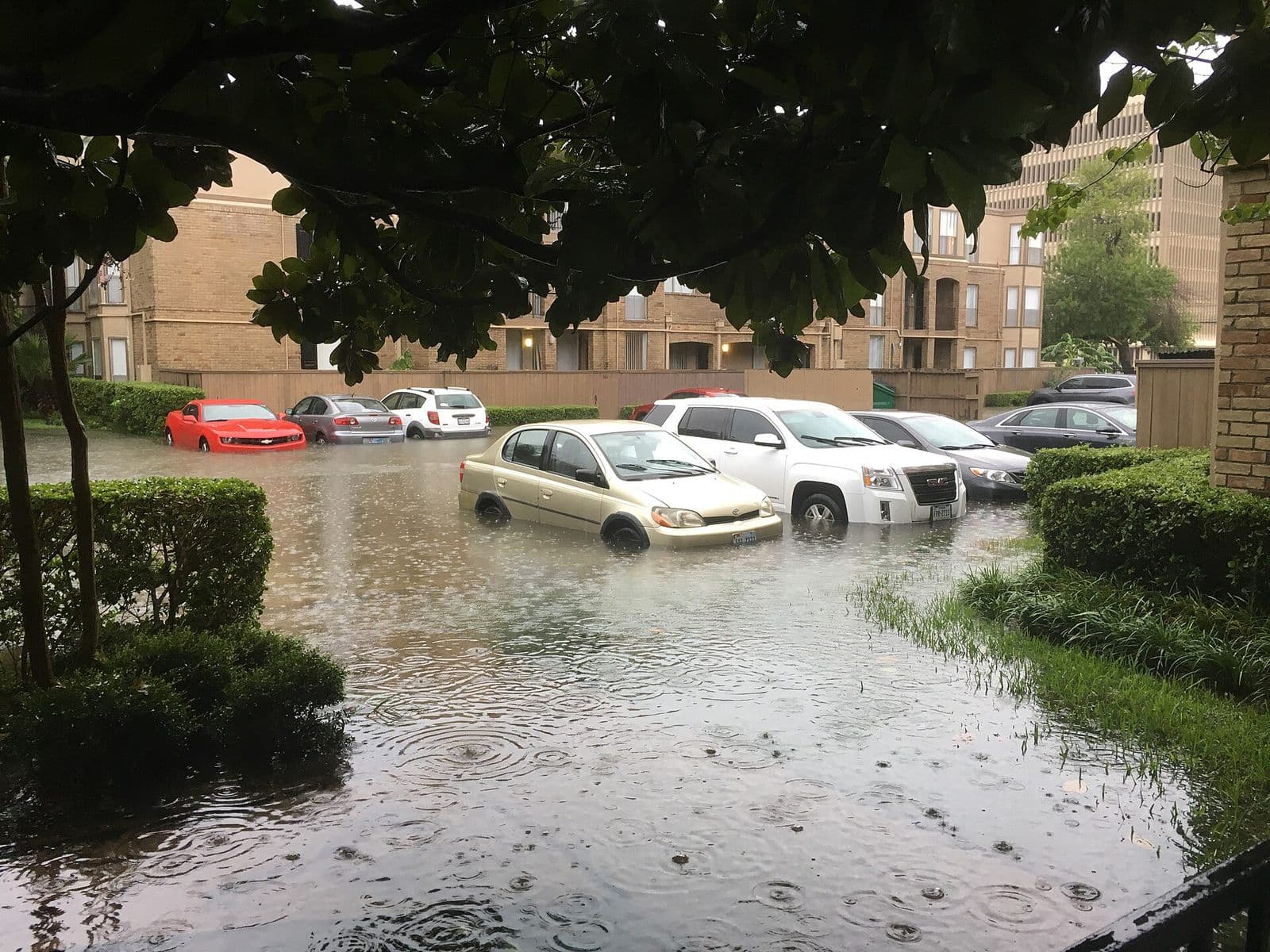
Texas storms and grid emergencies mean long outages, and a fridge that sat closed and warm for days is the worst kind of moldy fridge. Hurricane season and summer heat make it worse.
The CDC's food rules after an outage:
- Food will last in a fridge for 4 hours without power, if you keep the door closed.
- After that, throw out perishable food in your refrigerator unless it was kept cold another way.
- Frozen food will last 48 hours in a full freezer and 24 hours in a half-full freezer.
- Throw out food that may have touched floodwater, per the CDC.
Then clean the fridge using the steps above, and air it out longer. If the refrigerator itself sat in floodwater, check with the manufacturer or an appliance technician before plugging it back in. Our mold after a flood in Texas guide covers the rest of the house.
Keep mold from coming back
- Keep it cold. The CDC says the refrigerator should be at 40°F or below. An appliance thermometer is cheap and tells you for sure.
- Cover food. Covered containers keep spores from spreading from one item to another.
- Do a weekly leftover check. Toss anything past its time.
- Wipe spills right away, especially in drawers.
- Dry the door gasket when you clean, and check the folds.
When fridge mold is a sign of something bigger
Mold inside the fridge is a food problem. Mold behind or under the fridge is a water problem. A leaking water line to the ice maker, or a clogged defrost drain, can wet the floor and the wall behind the fridge for months before anyone notices.
Pull the fridge out and look if you notice:
- Water on the floor in front of or under the fridge
- Warped flooring or stained baseboards nearby
- Mold on the wall behind the fridge
- A musty smell in the kitchen that stays after the fridge is clean
The EPA says to dry water-damaged areas and items within 24-48 hours to prevent mold growth. If you find mold on drywall, see our guides on mold on walls and signs of mold in your house.
In Texas, TDLR says areas of visible mold of less than 25 contiguous square feet can be cleaned up by people who are not licensed. Bigger areas, or mold you can't see the edges of, call for licensed help. Use a licensed mold testing company to find out how far it spread, and a separate licensed removal company for the cleanup. Texas law says a license holder may not perform both mold assessment and mold remediation on the same project.
Find licensed mold testing companies in Dallas or Houston, and mold removal companies in Austin, El Paso or Houston. Browse all of Texas, use our license check, and read how we verify listings.
Health
If you feel sick after eating something moldy, call a doctor. For breathing, the CDC says mold can cause a stuffy nose, sore throat, coughing or wheezing, burning eyes, or skin rash in sensitive people. A doctor, not a mold test, diagnoses mold-related illness. See mold exposure for more.
FAQ
How do you clean mold in refrigerator drawers and walls?
Empty and unplug it, wash shelves and drawers in hot soapy water, and wipe the inside with a solution of 1 tablespoon baking soda in a quart of water. Scrub gasket mold with a diluted bleach solution, rinse, and dry everything before restocking.
Is a moldy fridge dangerous?
It's mostly a food safety and cleanliness problem. Throw out moldy soft foods, cut mold off firm foods, and follow the CDC's rule: when in doubt, throw it out. People with mold allergies or asthma should avoid sniffing moldy food.
How do I get rid of fridge mold smell?
Clean it thoroughly, then unplug the refrigerator, leave the door open, and air it out for at least one day. Trays of activated charcoal or baking soda can absorb what's left. If it persists, the evaporator coil may need cleaning.
Should I throw out everything in a moldy fridge?
No. Throw out the moldy items, soft foods near them, and anything with an off smell, color or texture. University of Arkansas Extension says a firm or hard food with only a little bit of mold can be saved by cutting away the mold.
How do I get black mold off a refrigerator door seal?
Scrub it with a toothbrush and 3 tablespoons of bleach in a quart of water, as UA Extension suggests, then rinse and dry. Check your manual first. Black stains that stay in the rubber after cleaning may need a new gasket.
Licensed Mold Pros directory
Find a licensed mold removal company
Removal companies hold a Texas mold remediation license. They remove the mold to a plan written by a separate, licensed testing company.
Sources
- University of Arkansas Cooperative Extension: Mold Can Have Benefits, Just Not On Our Food (accessed Oct 2026)
- CDC: Keep Food Safe After a Disaster or Emergency (Nov 24, 2025)
- CDC: Preventing Waterborne Germs at Home (Mar 15, 2024)
- CDC: Mold (Sept 26, 2024)
- Consumer Reports: How to Get Rid of Funky Refrigerator Smells (Sept 16, 2016)
- Consumer Reports: CR's Guide to Eliminating Nasty Household Odors (updated Mar 6, 2025)
- EPA: A Brief Guide to Mold, Moisture and Your Home (updated Feb 18, 2026)
- TDLR: Mold Assessors and Remediators FAQ (accessed Oct 2026)
- Texas Occupations Code § 1958.155 (texas.public.law) (accessed Oct 2026)
We link every number, rule and health claim to its source. See our editorial policy.