On this page
Short answer
Mold in car interiors almost always means water got in and stayed: a leak, a wet carpet, a clogged AC or sunroof drain, or a flood. Small spots on hard surfaces can be cleaned, but Consumer Reports says flood odors are a tall task without replacing the saturated materials. If the car sat in floodwater, call your insurer before you clean anything. The Texas Department of Insurance says comprehensive auto coverage is what covers flood damage.
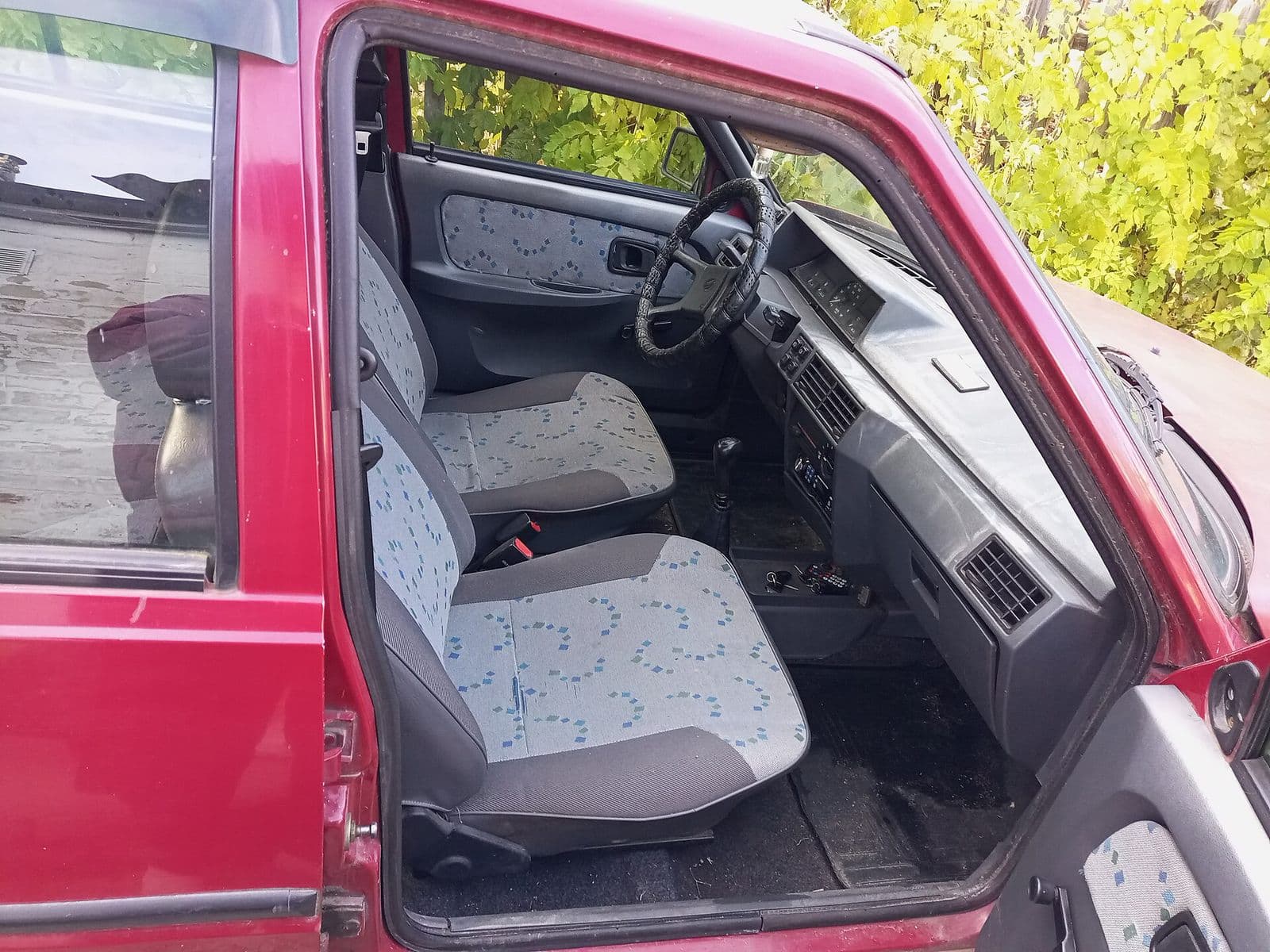
Mold in car interiors is a moisture problem on wheels. A car is a small, closed box that sits in the Texas sun, and once carpet, seat foam or the AC system stays wet, mold has everything it needs. This guide covers how to clean mold in a car yourself, what causes a musty smell from the car AC, what to do with a flooded car, and when it makes more sense to let the insurer total it.
Why mold grows in cars
Mold needs water and something to feed on. A car has plenty of food (fabric, foam, dust, crumbs), so the real question is where the water came from. Consumer Reports lists the usual suspects: water leaks, blocked AC drains, not changing the cabin air filter. It adds that a musty smell could be the result of a blocked drain, from either your air conditioner or your sunroof.
Common sources:
- Leaks around windows, door seals, sunroofs or the trunk
- Wet carpet from spilled drinks, wet shoes or windows left open in a storm
- A clogged AC drain that leaves water in the evaporator box
- Floodwater, which soaks carpet padding and seat foam all the way through
The EPA's rule for homes applies to cars too: dry water-damaged areas and items within 24-48 hours to prevent mold growth. In a hot, closed car in a Houston summer, you don't get much grace period.
How to clean mold in a car (small spots)
If the mold is limited to a few spots, and the car was never in a flood, you can usually clean it yourself.
- Park in the shade with doors open. Work outside, not in a closed garage.
- Protect yourself. The EPA notes you may want to wear an N-95 respirator when cleaning mold. Add gloves and eye protection.
- Find and fix the water source first. Check door seals, the sunroof drains, and the carpet under the floor mats. Cleaning without fixing the leak just resets the clock.
- Clean hard surfaces (dashboard, plastic trim, vinyl) with detergent and water. The EPA says to scrub mold off hard surfaces with detergent and water, and dry completely.
- Go easy on upholstery. Consumer Reports warns don't use bleach or hydrogen peroxide, because they are likely to damage your car's upholstery. It describes isopropyl alcohol as a safe way to kill any germs on a car's interior surfaces, and says that if there is mold accumulation, it needs to be cleaned with specific cleaners that work on mold. Test any product on a hidden spot first.
- Dry everything. Run the car with the heat on and windows cracked, or use fans. Consumer Reports notes that if you use baking soda as a deodorizer, make sure the carpet is dry, or the baking soda will clump.
- Change the cabin air filter. Consumer Reports says, while you're at it, change your cabin air filter.
If mold keeps coming back on carpet or seat fabric, the padding underneath is probably still wet. The EPA says absorbent or porous materials, such as ceiling tiles and carpet, may have to be thrown away if they become moldy. In a car, that means pulling and replacing carpet or padding, which is a job for an auto upholstery or detailing shop. Our guide on vinegar vs. bleach for mold covers the cleaner debate in more depth.
A word on ozone machines
Some detailers use ozone generators for odor. Consumer Reports quotes a detailer saying ozone machines work great to eliminate lingering odors, with the warning to never use an ozone machine in a space where people or pets are present. Keep in mind what ozone does and doesn't do. The EPA says when inhaled, ozone can damage the lungs, and that at levels within public health standards, ozone does not effectively remove viruses, bacteria, mold, or other biological pollutants. Ozone may cover a smell. It doesn't replace removing wet, moldy material.
Mold smell in car AC
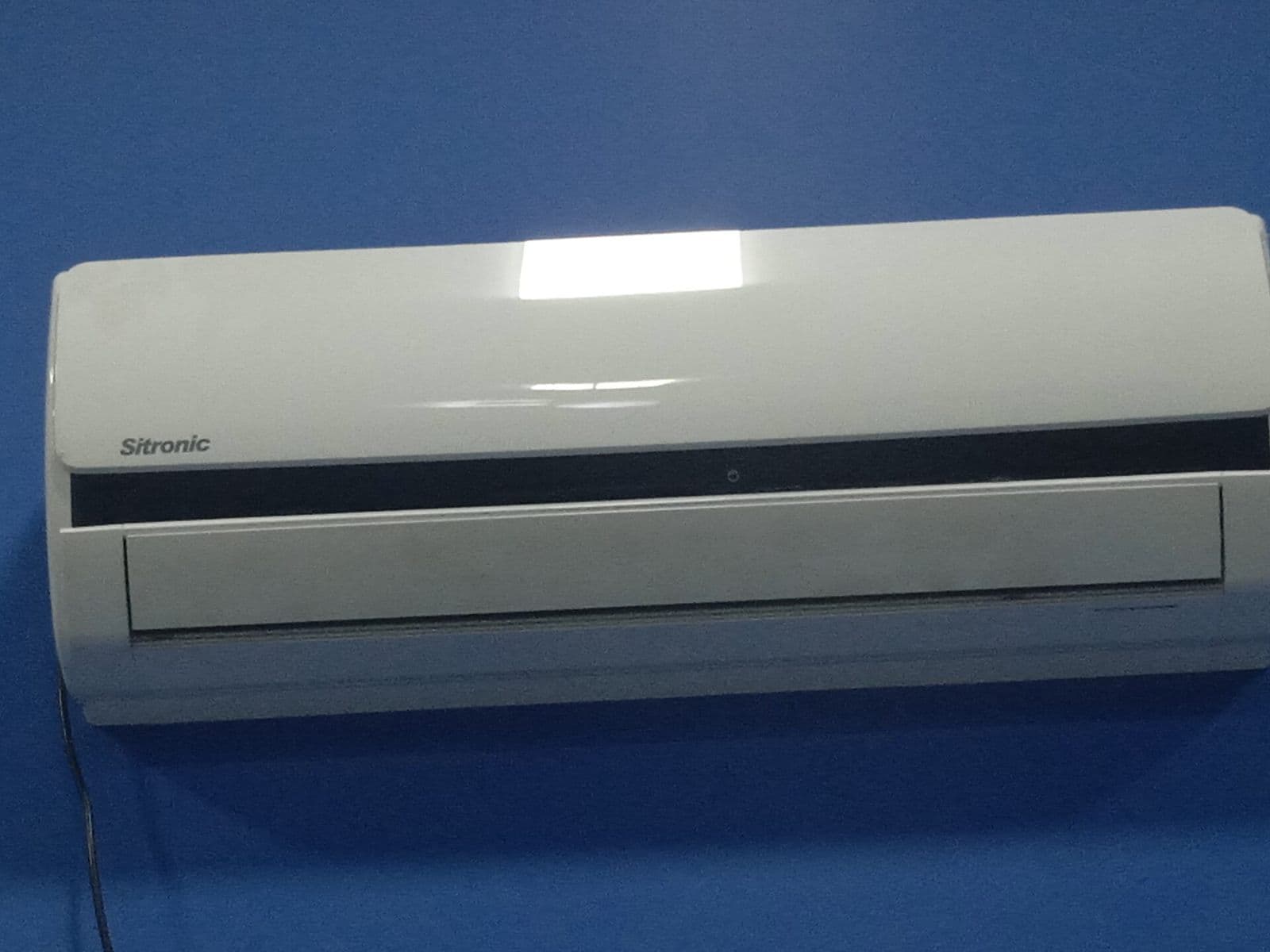
A musty smell when you turn on the car AC is one of the most common complaints in Texas. Consumer Reports explains that the AC evaporator, which sits behind the dashboard, makes condensation. Most of that water leaves through a drain under the car, but some can collect in the evaporator, and if it sits long enough, it creates that musty smell. Bacteria and mold can form there, and you're going to smell it in the cabin of the car.
What Consumer Reports recommends (updated Aug 2026):
- Disinfect the system. With the windows open and the fan running, spray a disinfectant or AC disinfectant into the plenum intake at the base of the windshield, and let the fan pull it through. Remove the cabin filter first if your car has one, and consider replacing it.
- Dry the evaporator before you park. Turn off the AC and let the fans run for a few minutes before turning off the car's ignition.
- Check the drains. A blocked AC or sunroof drain can cause the smell, per Consumer Reports.
If the smell returns quickly, or you see water on the passenger floor, the evaporator drain may be clogged. That's a job for a mechanic or auto AC shop. For mold in your home's AC, see our guides on the AC unit and AC vents.
Mold in car after flood
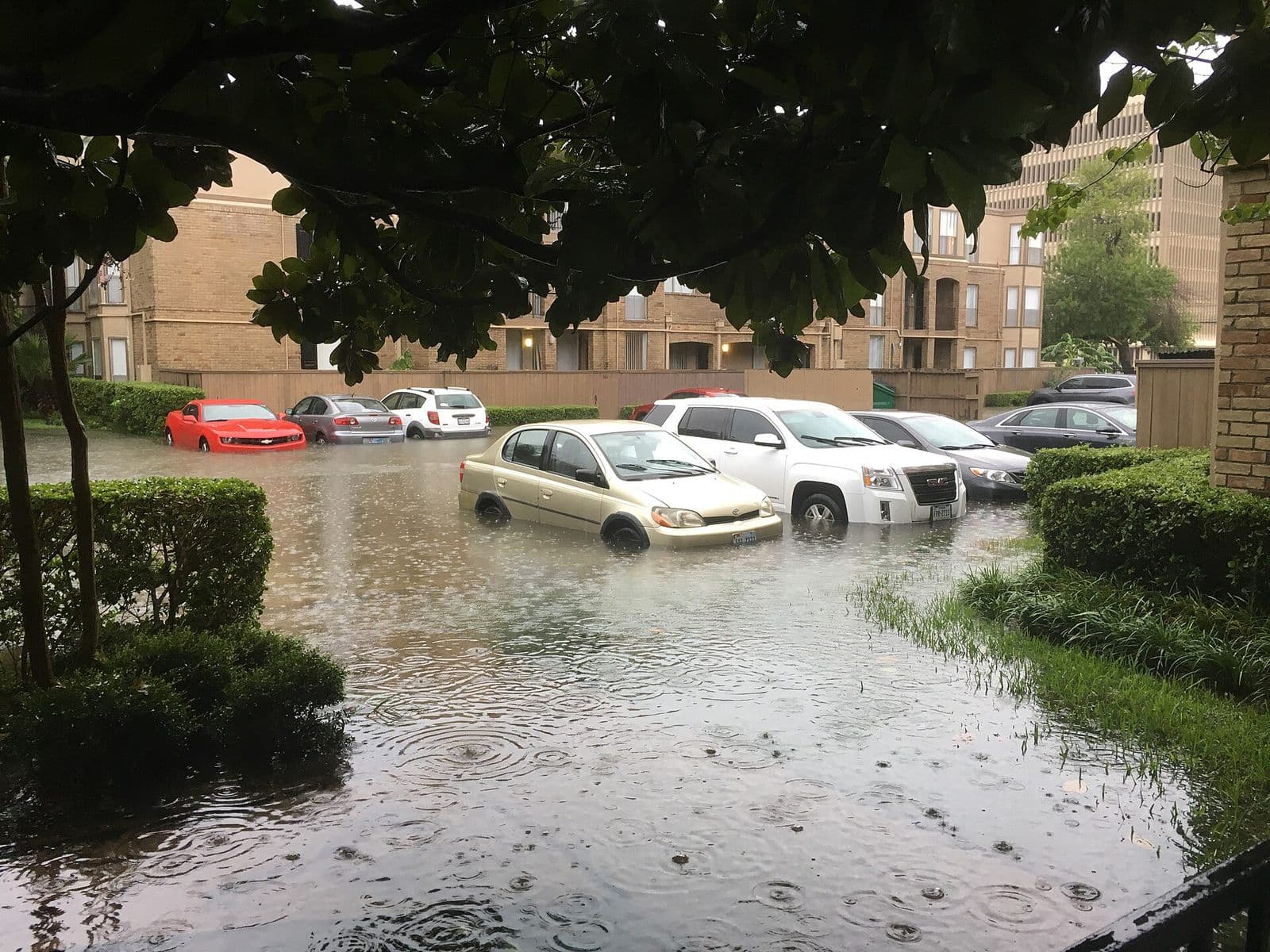
A car that sat in floodwater is a different problem from a few spots on a seat. Texas floods often: Hurricane Harvey dropped more than 30 inches in many locations in 2017, and heavy July 2025 rains in Central Texas caused the deadliest U.S. flash flood in close to half a century.
What to do, in order:
- Don't start it. The Texas Department of Insurance says experts recommend that you have a mechanic look at a flooded car before trying to start it. Consumer Reports agrees: don't start a flooded vehicle until it has been thoroughly inspected by a qualified mechanic.
- Call your insurer and take photos. TDI says to call your insurance agent or company as soon as possible and to photograph the damage.
- Dry it fast if you can. Consumer Reports says it's key to dry out the car quickly, clean it thoroughly, and, if needed, replace the carpet or other materials. TDI warns that a car that isn't dried properly is at risk of mold, electrical issues, and other problems.
- Expect the smell to stick. Consumer Reports says flooded cars eventually smell moldy and musty, especially if water has soaked the carpet and fabric.
Floodwater is often dirty water, so the same health cautions apply as in a flooded house. Our mold after a flood in Texas guide covers that side.
Detailing vs. replacing vs. totaling
| Situation | What usually makes sense | Source |
|---|---|---|
| A few spots on hard trim or a seat, no flood | Clean it yourself and fix the leak | EPA |
| Musty AC smell only | Disinfect the AC intake, change cabin filter, check drains | Consumer Reports |
| Carpet or seat foam soaked and moldy | Replace the saturated materials; odors are hard to remove otherwise | Consumer Reports |
| Water damage needs real repair | Often beyond DIY; Consumer Reports says it often requires tools and skills beyond what most people have | Consumer Reports |
| Car sat in floodwater | Insurance claim; may be declared a total loss | TDI |
Table: Mold removal in a car, from DIY to total loss.
We couldn't find a reliable, independent price survey for car mold removal or detailing, so we don't quote one here. Get written quotes, and ask the shop whether the price includes pulling carpet and padding.
When is a flooded car a total loss?
The Texas Department of Insurance explains that insurers compare the car's actual cash value with the repair cost, and if repairs would cost more than the car is worth, the insurer will consider it totaled. Consumer Reports notes that a truly flooded car can be repaired, but that comes at a high price. Its odor guide adds that if a car is infested to the point where interior components need to be replaced, the insurer might consider it a total loss.
Coverage matters. TDI says if you have comprehensive auto coverage, you're covered for flood damage to your car. Liability-only coverage won't pay for a flooded car. Home policies are a separate question; see does insurance cover mold.
Buying a used car? How to spot flood damage
Flooded cars from Texas storms can end up on used-car lots. Consumer Reports warns that it may take months or even years for problems to surface.
Warning signs from the Texas Department of Insurance:
- Mold or mildew will give off a musty odor
- Stains, mildew, rust, and discoloration are signs of water damage
- A strong smell of cleaner or disinfectant may be covering an odor, per TDI
- Carpets that smell musty or have caked-on mud, per Consumer Reports
Check the paperwork too. TDI says when a vehicle is declared a total loss, the title must be changed to a salvage or non-repairable title. The Texas DMV's title check uses NMVTIS, which shows the vehicle's title history, including whether an insurer declared it a total loss. TxDMV says reports cost from only a couple dollars. Consumer Reports also points to VINCheck, a free service that searches vehicle identification numbers for evidence of theft or salvage. Then have a mechanic you trust inspect the car.
Health: when to worry
For most people, a moldy car is unpleasant rather than dangerous, but it can bother some people. The CDC says mold can cause a stuffy nose, sore throat, coughing or wheezing, burning eyes, or skin rash in sensitive people, and that people with asthma or mold allergies may react more strongly. A mold test of your car won't diagnose anything. If you have symptoms, see a doctor; TDLR also recommends that people consult a health care provider for mold health concerns. Our mold exposure and mold allergy guides go further.
When the mold is in your house, too
A car that flooded in your driveway often means the garage or house took water as well. Texas mold licensing is about mold in homes and buildings, and TDLR says areas of visible mold of less than 25 contiguous square feet can be cleaned up by people who are not licensed. For anything bigger in your home, use a licensed company, and keep testing and removal separate: Texas law says a license holder may not perform both mold assessment and mold remediation on the same project.
Find licensed mold testing companies in Houston or Corpus Christi, and mold removal companies in Houston, San Antonio or Dallas. Browse all of Texas, confirm any license with our license check, and see how we verify every listing.
FAQ
How do you clean mold in a car?
Fix the leak first, then clean hard surfaces with detergent and water and dry them completely, per the EPA. On upholstery, Consumer Reports advises against bleach and hydrogen peroxide and suggests specific cleaners that work on mold. Moldy carpet padding usually has to be replaced.
Why does my car AC smell like mold?
Water collects in the AC evaporator behind the dashboard, and if it sits long enough, it creates that musty smell. Disinfect through the plenum intake, change the cabin filter, and let the fan run with the AC off before you park.
Can you fix mold in car seats and carpet after a flood?
Sometimes, but it's expensive. Consumer Reports says a truly flooded car can be repaired, but that comes at a high price, and odors are hard to remove without replacing soaked materials. Call your insurer before you spend money on cleaning.
Will insurance total a flooded car with mold?
If repairs would cost more than the car is worth, the insurer will consider it totaled, according to the Texas Department of Insurance. You need comprehensive coverage for flood damage to be covered at all.
Is it safe to drive a car with mold in it?
Mold can cause a stuffy nose, coughing, wheezing or burning eyes in some people, and people with asthma or allergies may react more strongly, per the CDC. Clean it and fix the leak soon. If you have symptoms, a doctor, not a mold test, is the person to diagnose them.
Licensed Mold Pros directory
Find a licensed mold removal company
Removal companies hold a Texas mold remediation license. They remove the mold to a plan written by a separate, licensed testing company.
Sources
- Texas Department of Insurance: Car flooded (Take Five tips) (updated Oct 8, 2025)
- Texas Department of Insurance: Buyer beware: flooded vehicles (updated Sept 21, 2025)
- Texas DMV: Title Check, Look Before You Buy (accessed Oct 2026)
- Consumer Reports: How to Get Rid of Musty Smell From a Car Air Conditioner (updated Aug 9, 2026)
- Consumer Reports: How to Rid Your Car of Odors and Smells (updated Apr 28, 2026)
- Consumer Reports: How to Handle Storm and Flood Damage to Your Car (updated June 20, 2026)
- Consumer Reports: Beware a Flood of Flooded Cars (updated Nov 6, 2025)
- EPA: A Brief Guide to Mold, Moisture and Your Home (updated Feb 18, 2026)
- EPA: What are the basic mold cleanup steps? (updated Jan 14, 2026)
- EPA: Mold Cleanup in Your Home (updated June 4, 2026)
- EPA: Ozone Generators that are Sold as Air Cleaners (updated Feb 19, 2026)
- CDC: Mold (Sept 26, 2024)
- TDLR: Mold Assessors and Remediators FAQ (accessed Oct 2026)
- NOAA/NCICS: Texas State Climate Summary (accessed Oct 2026)
- Texas Occupations Code § 1958.155 (texas.public.law) (accessed Oct 2026)
We link every number, rule and health claim to its source. See our editorial policy.