On this page
- What "black mold" means
- Is black mold dangerous? The honest answer
- What black mold does to you
- Is black mold a poison? Mycotoxins explained
- The Cleveland infant cases: where the fear started
- Is black mold deadly? Can black mold kill you?
- When to see a doctor, and when to get emergency care
- What to do about black mold in your Texas home
- FAQ
- Sources
Short answer
Is black mold dangerous? It can cause the same problems as other indoor molds, mainly allergy, irritation and asthma flare-ups, and it should be removed. But the CDC says all molds should be treated the same with respect to potential health risks and removal, and there's no reliable evidence that black mold in a home is a deadly poison. The infant deaths that sparked the "toxic black mold" scare were later judged by the CDC as not proven to be linked to the mold.
Finding dark mold at home is stressful, and online search results don't help. Headlines call it "toxic," "deadly" or a "poison." This guide sets out what the CDC, the EPA, the National Institutes of Health (NIH) and allergy specialists actually say, including the history behind the fear.
What "black mold" means
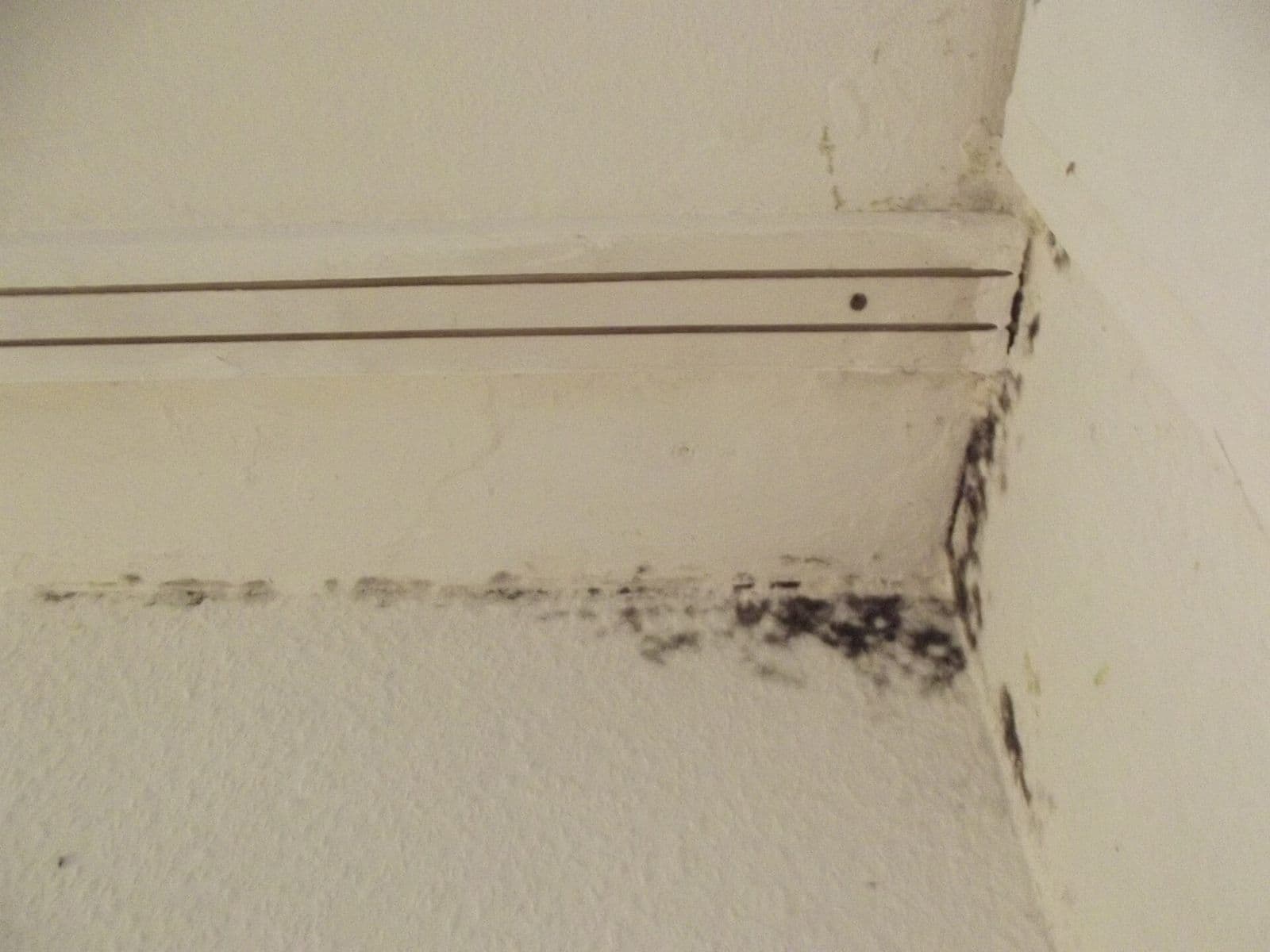
"Black mold" is the name the news media often use for Stachybotrys chartarum. But the EPA says "black mold" is not a species or specific kind of mold, and neither is "toxic mold", so color alone doesn't tell you what you have.
The CDC says it is not necessary to determine what type of mold you may have growing in your home. Whatever the color, the response is the same: remove it and fix the moisture. For identification and cleanup, see our black mold guide.
Is black mold dangerous? The honest answer
Yes, in the sense that any indoor mold can harm some people. No, in the sense that it's not uniquely deadly.
The CDC says exposure to damp and moldy environments may cause a variety of health effects, or none at all. Cleveland Clinic says black mold rarely causes serious illness, though it may make asthma worse.
The people who should take any mold most seriously, per the CDC:
- People with asthma or mold allergies, who may have severe reactions.
- People with weakened immune systems or chronic lung disease, who may get infections in their lungs from mold.
For these groups, the CDC says immune-compromised people should not stay in a moldy home, or even be there while it is being cleaned.
What black mold does to you
Black mold does what other indoor molds do. The documented effects are mostly in the nose, eyes and lungs.
| Effect | What the evidence says | Source |
|---|---|---|
| Irritation | Mold can irritate the eyes, skin, nose, throat, and lungs of both mold-allergic and non-allergic people | EPA |
| Allergy | Sneezing, congestion, itchy eyes in sensitive people | AAAAI |
| Asthma | Breathing mold can trigger an asthma attack whether or not you are allergic to mold | CDC |
| Lung infection | Possible in immune-compromised people and those with chronic lung disease | CDC |
| "Toxic mold syndrome" | Cleveland Clinic: no clear scientific evidence to support a toxic mold syndrome diagnosis | Cleveland Clinic |
Table: what black mold does to you, by type of effect.
Cleveland Clinic adds that chronic fatigue, brain fog, headache and widespread body or joint pain are not typical symptoms of black mold exposure. If you have them, see a doctor; they may have another cause that needs treatment. For the full symptom picture, see black mold symptoms.
Interestingly, Stachybotrys isn't a big allergy trigger. The American Academy of Allergy, Asthma & Immunology (AAAAI) position paper on mold said Stachybotrys is unlikely to be a relevant clinical allergen in human subjects because it is poorly aerosolized.
Is black mold a poison? Mycotoxins explained
Some molds, including Stachybotrys, can make chemicals called mycotoxins. That's where the "poison" idea comes from. Here's what's known:
- Mycotoxins in food are a real hazard. The NIEHS says some molds produce mycotoxins, which are substances that can cause severe illness if ingested. The AAAAI paper notes that eating large doses from spoiled or contaminated food can cause severe human illness.
- Mold doesn't always make toxins. The same paper says the mere presence of such a mold should not be taken as evidence that the mold was producing any mycotoxin.
- Breathing them at home is a different matter. The AAAAI paper concluded that toxicity from inhaled mycotoxins in nonoccupational settings is not supported by the current data, and its occurrence is improbable. Cleveland Clinic says there's no scientific proof that mold toxins cause conditions that affect your whole body.
- Science isn't finished. The EPA says some mycotoxins are known to affect people, but for many, little health information is available. The NIEHS describes ongoing research suggesting long-term exposure to inhaled mycotoxins may promote inflammation and immune system changes.
The AAAAI 2006 paper is two decades old, so it's fair to ask whether the view has changed. The AAAAI's 2026 patient page still says reviews by the Institute of Medicine and the World Health Organization found the available evidence was insufficient to support a relationship between mycotoxin inhalation and the nonspecific symptoms often blamed on mold.
So "black mold poison" overstates what's known. Mold in your home is a health concern worth fixing, not a poisoning.
The Cleveland infant cases: where the fear started
The idea that black mold kills came largely from a cluster of infant lung bleeding cases in Cleveland, Ohio, in the 1990s.
What happened. A CDC report described 10 infants with acute idiopathic pulmonary hemorrhage (sudden bleeding in the lungs) who had one or more bleeding episodes, resulting in one death, between January 1993 and December 1994. Early study results linked the cases to major household water damage during the 6 months before illness and to higher levels of household fungi, including Stachybotrys.
What the CDC found when it looked again. The CDC convened a multidisciplinary internal group of senior scientists and asked outside experts to review the work. Their review, published in Morbidity and Mortality Weekly Report, found problems:
- The statistical estimate linking the mold to the illness was very sensitive to at least three influential steps or strategies in the analysis.
- Among water-damaged homes, culturable Stachybotrys was found in similar proportions of case and control homes.
- The methods did not distinguish between contamination and clinically meaningful exposure.
The conclusion: The associations should be considered not proven; the etiology of AIPH is unresolved.
Later reviews agreed. The Institute of Medicine's 2004 report placed acute idiopathic pulmonary hemorrhage in infants in its "inadequate or insufficient evidence" category. The CDC's current Stachybotrys page says a possible link has not been proven. The AAAAI says there was insufficient evidence of a relationship between bleeding in the lungs in infants and Stachybotrys exposure.
"Not proven" isn't the same as "proven safe." The CDC still says parents should make sure children get proper medical treatment, and a moldy home with a baby in it should be fixed promptly.
Is black mold deadly? Can black mold kill you?
We found no CDC, NIH or allergy-society source stating that black mold in a home has been shown to kill healthy people. The one famous case cluster, in Cleveland, was judged not proven.
Where mold can be life-threatening is fungal infection in people with seriously weakened immune systems, and that's usually a different mold. The CDC says aspergillosis, caused by the common mold Aspergillus, can cause mild to severe illness, and people with weakened immune systems or lung diseases are most at risk. The most serious form, invasive aspergillosis, is uncommon and occurs primarily in immunocompromised people, such as people with blood cancers or transplants. Our guide to mold and your lungs explains this.
If someone in your home is immune-compromised, treat any mold seriously, keep them out during cleanup, and talk to their doctor.
When to see a doctor, and when to get emergency care
See a doctor if symptoms last or keep returning. The CDC says individuals with persistent symptoms should see their physician. A doctor, not a mold test, decides whether mold is affecting your health. The CDC says no test exists that proves an association between Stachybotrys chartarum and particular health symptoms, and urine "mycotoxin" tests are not approved by FDA for accuracy or for clinical use. See our guide to mold exposure tests.
For emergencies, Cleveland Clinic says to go to the nearest emergency room as soon as you can if you have trouble breathing.
What to do about black mold in your Texas home
The CDC is clear: if Stachybotrys chartarum or other molds are found in a building they should be removed. You don't need to test to identify the species first.
- Find and fix the water. Mold follows moisture: leaks, flooding, condensation. In Texas, flood-damaged homes need fast action; see mold after a flood.
- Small patches: TDLR says areas of visible mold of less than 25 contiguous square feet can be cleaned up by people who are not licensed. Wear at least a NIOSH Approved N95 respirator, gloves and goggles. Our vinegar vs bleach guide covers cleaners.
- Larger or hidden mold: Hire a licensed mold testing company to assess and write a plan, and a separate licensed mold removal company to do the work. Texas law says a license holder may not perform both mold assessment and mold remediation on the same project.
Find licensed pros in Houston, San Antonio, Dallas or Corpus Christi, or browse the Texas directory. Check any license with our license check tool and see how we verify. For costs, see mold remediation cost.
FAQ
Is black mold dangerous?
It can cause allergy, irritation and asthma flare-ups like other indoor molds, and it should be removed. The CDC says all molds should be treated the same with respect to potential health risks and removal. People with asthma, allergies, weak immune systems or lung disease face the most risk.
Is black mold deadly?
There's no reliable evidence that black mold in homes kills people. The Cleveland infant cases that started the fear were reviewed by the CDC, which concluded the associations should be considered not proven. Serious mold infections happen mainly in people with very weak immune systems, usually from other molds such as Aspergillus.
Can black mold kill you?
For healthy people in a home, we found no medical source showing that it does. Cleveland Clinic says black mold rarely causes serious illness. If you have trouble breathing, get emergency care, and talk to a doctor about any persistent symptoms.
Is black mold a poison?
Some molds can make mycotoxins, which are harmful when eaten in large amounts. But allergists concluded that toxicity from inhaled mycotoxins in nonoccupational settings is not supported by the current data. Research on long-term effects continues.
What does black mold do to you?
For some people it causes a stuffy nose, sneezing, itchy eyes, coughing, wheezing or skin irritation, and it can trigger asthma. Many people have no symptoms. See black mold symptoms for detail, and a doctor if symptoms persist.
Licensed Mold Pros directory
Find a licensed mold removal company
Removal companies hold a Texas mold remediation license. They remove the mold to a plan written by a separate, licensed testing company.
Sources
- CDC: Facts About Stachybotrys chartarum (updated May 29, 2024)
- CDC: Mold (updated Sept 26, 2024)
- CDC: Mold Clean Up Guidelines and Recommendations (updated Feb 16, 2024)
- CDC, MMWR: Update: Pulmonary Hemorrhage/Hemosiderosis Among Infants, Cleveland, Ohio, 1993-1996 (MMWR vol. 49, no. 9, March 2000)
- CDC/NIOSH, MMWR: Use of Unvalidated Urine Mycotoxin Tests for the Clinical Diagnosis of Illness, United States, 2014 (Feb 20, 2015)
- CDC: Asthma Triggers (updated Jan 11, 2024; reviewed Aug 28, 2026)
- CDC: Aspergillosis Basics (updated Oct 1, 2026)
- CDC: Data and Statistics on Aspergillosis (updated Oct 7, 2026)
- Massachusetts Department of Public Health, archived by CDC: bulletin summarizing the IOM report Damp Indoor Spaces and Health (Oct 2004)
- NIH/NIEHS: Mold (last reviewed Mar 6, 2026)
- EPA: Mold Course Chapter 1 (updated Feb 18, 2026)
- EPA: A Brief Guide to Mold, Moisture and Your Home (updated Feb 18, 2026)
- AAAAI: Toxic Mold Syndrome: Separating Fact from Fiction (July 29, 2026)
- AAAAI: Mold Allergy (July 8, 2026)
- AAAAI Position Paper: The medical effects of mold exposure (Bush, Portnoy, Saxon, Terr, Wood), J Allergy Clin Immunol 2006;117:326-33 (Feb 2006)
- Cleveland Clinic: Black Mold Exposure (updated Sept 18, 2026)
- TDLR: Mold Assessors and Remediators Frequently Asked Questions (accessed Oct 2026)
- Texas Occupations Code § 1958.155 (accessed Oct 2026)
We link every number, rule and health claim to its source. See our editorial policy.