On this page
Short answer
There's no validated mold exposure test that measures how much mold you've breathed or proves mold made you sick. Doctors can test for a mold allergy with skin or blood IgE tests, and for specific lung diseases when symptoms fit. Urine mycotoxin "mold toxicity" tests sold online are not approved by FDA for accuracy or for clinical use, and the CDC says they might not be valid or clinically useful. See a physician or allergist instead.
If you've lived with mold and feel unwell, a test that gives a clear answer sounds ideal. Many companies sell one. This guide sorts the medical tests that are validated from the ones that aren't, using the CDC, the National Institutes of Health (NIH) and allergy specialists, so you don't spend hundreds of dollars on a result that can't be interpreted.
What a mold exposure test can and can't show
Not in the way most people hope. A position paper from the American Academy of Allergy, Asthma & Immunology (AAAAI) concluded that measurement of antibodies to molds cannot be used as an immunologic marker to define dose, timing, and/or location of exposure to mold. The CDC says no test exists that proves an association between Stachybotrys chartarum and particular health symptoms.
What doctors can test for are specific conditions that mold may cause or worsen. That's the right way to think about it: you test for a disease, not for "exposure."
Medical tests that are validated
| Test | What it checks | When it's used | Source |
|---|---|---|---|
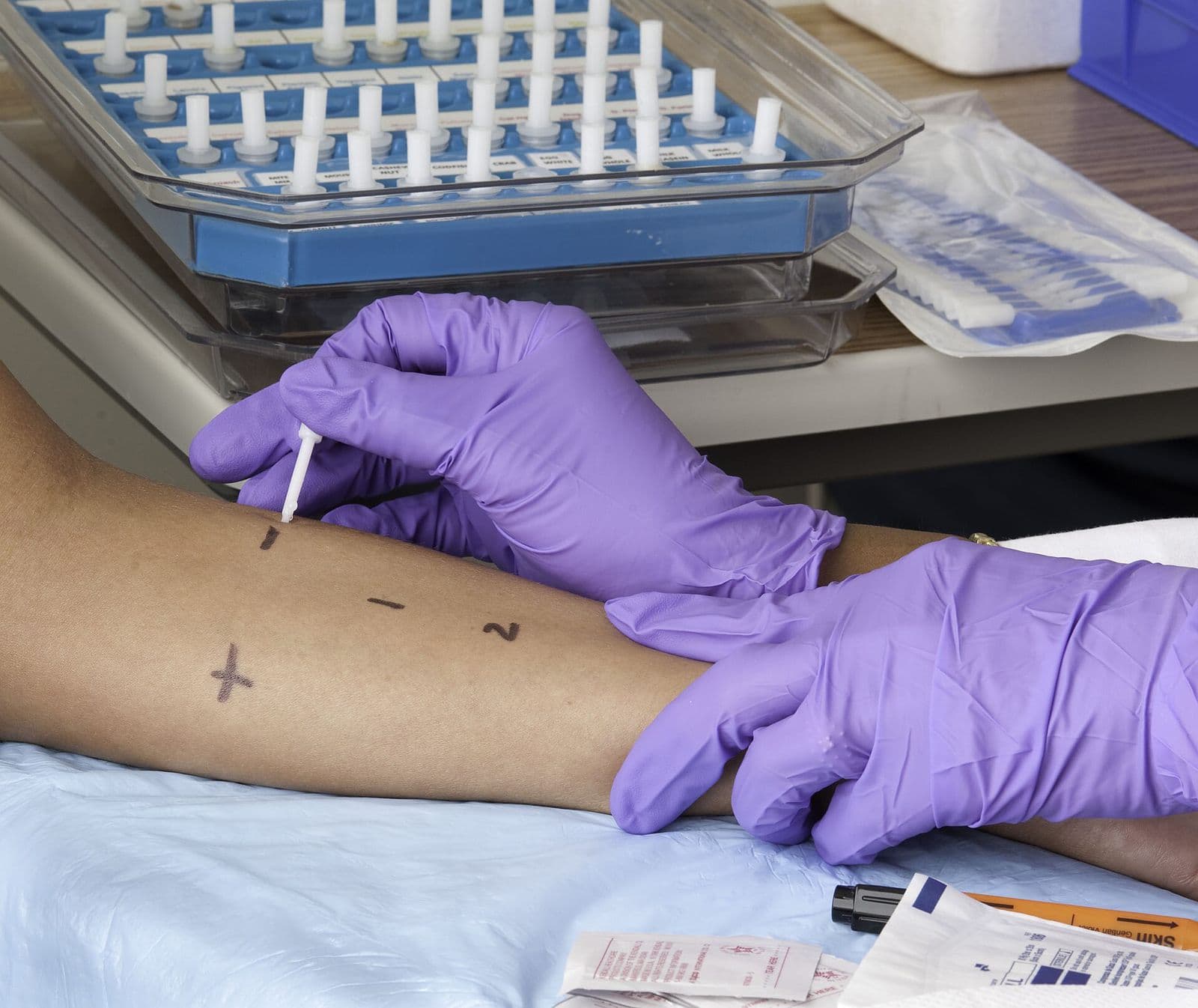
| Skin prick test | Mold allergy (IgE) | Suspected allergy; accurate results in just a few minutes | AAAAI |
| Allergy blood test (specific IgE) | Mold allergy (IgE) | When skin testing isn't possible; measures IgE your body makes in response to a single allergen | MedlinePlus |
| Mold IgG / precipitin antibodies | Immune response linked to hypersensitivity pneumonitis or allergic lung disease | Only when symptoms, imaging and other tests point that way | AAAAI paper |
| Aspergillus antibody, galactomannan, IgE level, sputum culture, chest CT | Aspergillosis (fungal lung disease) | Suspected infection or ABPA | MedlinePlus |
| Chest x-ray, CT, lung function tests, bronchoscopy | Hypersensitivity pneumonitis and other lung disease | Ongoing breathing symptoms | MedlinePlus |
Table: validated medical tests related to mold, and when doctors use them.
Allergy testing: the main legitimate "mold test"
For most people, the useful test is an allergy test. The AAAAI paper says IgE testing has clearly been validated as a measure of potential allergic reactivity to mold, and recommends that patients with suspected mold allergy should be evaluated by means of an accepted method of skin or blood testing for IgE antibodies. The ACAAI says allergists can conduct skin or blood tests that help pinpoint the allergy.
Even this test needs a doctor to interpret it. MedlinePlus warns that sometimes, the results may say you have an allergy when you actually don't, and the AAAAI paper says a positive result without appropriate clinical evaluation should not necessarily be taken as an indicator of clinical disease. A positive mold allergy test also can't tell you when or where you were exposed. Our mold allergy guide covers what happens next.
Tests for mold-related lung disease
If you have ongoing cough or breathlessness, a doctor may test for conditions like aspergillosis or hypersensitivity pneumonitis. Antibody (IgG) testing for these has demonstrated value when the clinical picture fits. But the AAAAI paper notes as many as half of highly exposed individuals might have precipitating antibodies in the absence of any clinical disease, and that using these tests as screening procedures without a fitting clinical picture is discouraged. See mold and your lungs for these conditions.
Testing for mold in blood
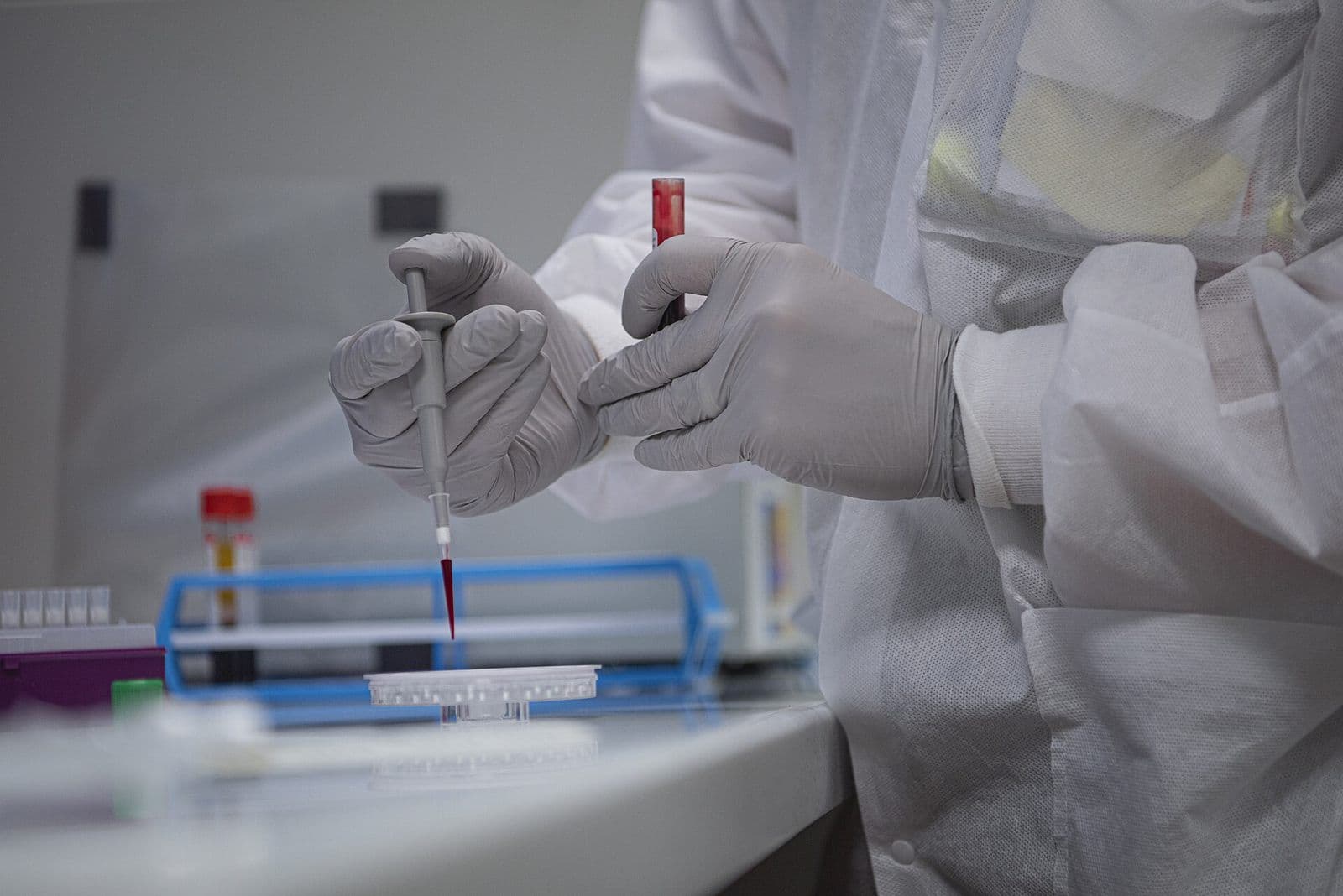
People search for "testing for mold in blood" expecting a single test. There isn't one that shows general mold exposure. The blood tests that do exist answer narrower questions:
- Allergy blood test (specific IgE): Do you have an allergic antibody to a mold? Legitimate, with the caveats above.
- Aspergillus antibody and galactomannan tests: Used when a doctor suspects aspergillosis. MedlinePlus lists them among tests for aspergillosis.
- Antibodies to mycotoxins: Not valid. The AAAAI paper concluded that testing for antibodies to mycotoxins is not scientifically validated and should not be relied on.
- Mold IgA, IgM and saliva tests: Not valid for exposure. The same paper said IgA and IgM antibodies to mold are not useful to assess mold exposure, and that salivary IgA testing has not been shown to have scientific validity.
- Big immune panels: The paper said running large numbers of nonspecific immune-based tests as a sign of mold exposure or mold illness is not evidence based and should be discouraged.
The AAAAI paper is from 2006, and its own header notes that AAAAI position statements are not to be considered to reflect current AAAAI standards or policy after five years. We didn't find a newer major medical statement that validates these tests. The AAAAI's 2026 patient page still describes non-FDA approved mycotoxin tests as problematic because they lack standardization.
Urine mycotoxin tests: what the CDC found
The most heavily marketed "mold toxicity test" is a urine mycotoxin test, sold directly to consumers or offered by some functional medicine providers. In 2015, two physicians from the CDC's National Institute for Occupational Safety and Health (NIOSH) published a report in the CDC's Morbidity and Mortality Weekly Report on these tests. They found:
- Low levels of mycotoxins are found in many foods; therefore, mycotoxins are found in the urine of healthy persons.
- Urine mycotoxin tests are not approved by FDA for accuracy or for clinical use.
- The levels that predict disease have not been established.
- The CDC does not recommend biologic testing of persons who work or live in water-damaged buildings.
The authors concluded that patients' health care providers need to understand that these tests might not be valid or clinically useful.
The AAAAI adds that these tests do not have established thresholds for what constitutes harmful levels of mycotoxins in the body, and notes they've often been paired with "detox" programs. Cleveland Clinic says you don't need to detox after black mold exposure.
In plain terms: a "positive" urine mycotoxin result may simply reflect what you ate, and no one can say what level is harmful.
Mold toxicity test and CIRS
Some practitioners diagnose "mold toxicity," "toxic mold syndrome" or chronic inflammatory response syndrome (CIRS) using these tests. The AAAAI says the idea that inhalation of mycotoxins was purported to cause a range of nonspecific symptoms such as fatigue, headache and "brain fog" is the same concept called CIRS in integrative medicine. Its review of the evidence:
- Studies linking indoor mold to these symptoms had problems including lack of comparison groups, reliance on self-reported symptoms and unreliable, unvalidated measures of mycotoxin exposure.
- Reviews by the Institute of Medicine and World Health Organization concluded the available evidence was insufficient to support a relationship between mycotoxin inhalation and those symptoms.
- At the same time, the AAAAI says there is a clear, well-established relation between damp indoor spaces and detrimental health effects, though the mechanisms remain uncertain.
Cleveland Clinic similarly says there's no clear scientific evidence to support a toxic mold syndrome diagnosis. Research continues: the NIEHS describes studies on possible effects of long-term exposure, including that long-term exposure to inhaled mycotoxins may promote inflammation and immune system changes. That's an open research question, not a validated diagnosis or test.
If you feel unwell, your symptoms are real and deserve a proper workup. The point is that these particular tests won't reliably explain them, and they may delay finding the actual cause.
How to test mold sickness the right way
- See your primary care doctor. The CDC says individuals with persistent symptoms should see their physician. Describe your symptoms, when they started, whether they improve away from home, and any water damage or mold.
- Ask about an allergist referral if you have sneezing, congestion, itchy eyes, wheezing or asthma. Allergists do the skin or blood tests that are validated for mold allergy.
- Expect lung tests if breathing is the issue. Imaging and lung function tests are standard for suspected lung disease.
- Be cautious with direct-to-consumer kits. The AAAAI urges people to be cautious when linking physical symptoms directly to mold exposure, especially with unproven, costly testing.
Emergency care: Cleveland Clinic says to go to the nearest emergency room as soon as you can if you have trouble breathing.
Testing your home is a separate question
A mold test of your house measures the building, not your body. The CDC does not recommend mold testing to judge health risk, and the EPA says no EPA or other federal limits have been set for mold or mold spores. Home testing is still useful for finding hidden mold, planning cleanup and confirming it worked. See how to test for mold, ERMI vs air sampling, mold testing cost and is mold testing worth it.
In Texas, hire a licensed mold testing company (assessor) to test the home, and a separate licensed mold removal company to do any cleanup. Texas law says a license holder may not perform both mold assessment and mold remediation on the same project. Find licensed testers in Houston, Dallas, Austin or San Antonio, browse the Texas directory, and confirm any license with our license check tool. Our page on how we verify explains our daily TDLR checks.
FAQ
Is there a mold exposure test?
No validated test measures how much mold you've been exposed to. The AAAAI paper says mold antibody results cannot be used as an immunologic marker to define dose, timing, and/or location of exposure. Doctors can test for mold allergy and specific mold-related diseases.
How do you test for mold sickness?
See a physician, who will take a history, examine you and order tests based on your symptoms, such as allergy skin or blood tests, or lung imaging. The CDC says individuals with persistent symptoms should see their physician. A doctor, not a mold test, makes the diagnosis.
Is there a blood test for mold?
There are blood tests for mold allergy (specific IgE) and for suspected aspergillosis, ordered by a doctor. There's no blood test for general mold exposure, and the AAAAI paper says testing for antibodies to mycotoxins is not scientifically validated.
Is a urine mycotoxin test accurate?
It hasn't been shown to be. A CDC report found mycotoxins are found in the urine of healthy persons and the tests are not approved by FDA for accuracy or for clinical use. No one has established what level predicts disease.
What is a mold toxicity test?
Usually a urine mycotoxin test or a panel of antibody tests used to diagnose "mold toxicity" or CIRS. The AAAAI says these non-FDA approved tests lack standardization, and Cleveland Clinic says there's no clear evidence for a toxic mold syndrome diagnosis. Talk to a physician or allergist instead.
Licensed Mold Pros directory
Find a licensed mold testing company
Testing companies hold a Texas mold assessment license. They inspect, sample and write the removal plan, and by law they can't do the removal on the same job.
Sources
- CDC/NIOSH, MMWR: Use of Unvalidated Urine Mycotoxin Tests for the Clinical Diagnosis of Illness, United States, 2014 (Kawamoto and Page) (Feb 20, 2015)
- CDC: Facts About Stachybotrys chartarum (updated May 29, 2024)
- CDC: Mold (updated Sept 26, 2024)
- AAAAI Position Paper: The medical effects of mold exposure (Bush, Portnoy, Saxon, Terr, Wood), J Allergy Clin Immunol 2006;117:326-33 (Feb 2006)
- AAAAI: Toxic Mold Syndrome: Separating Fact from Fiction (July 29, 2026)
- AAAAI: Mold Allergy (July 8, 2026)
- ACAAI: Mold Allergies (reviewed Apr 23, 2018)
- NIH/MedlinePlus: Allergy Blood Test (updated Nov 19, 2024)
- NIH/MedlinePlus: Aspergillosis (reviewed May 12, 2025)
- NIH/MedlinePlus: Hypersensitivity pneumonitis (reviewed Apr 10, 2025)
- NIH/NIEHS: Mold (last reviewed Mar 6, 2026)
- Cleveland Clinic: Black Mold Exposure (updated Sept 18, 2026)
- EPA: A Brief Guide to Mold, Moisture and Your Home (updated Feb 18, 2026)
- Texas Occupations Code § 1958.155 (accessed Oct 2026)
We link every number, rule and health claim to its source. See our editorial policy.